Introduction
Imagine downloading a full HD movie in 10 seconds or controlling a self-driving car from miles away. That’s the power of 5G! Let’s dive into what 5G is, why it’s a game-changer, and how it’s shaping the future of technology.
What is 5G?
5G is the fifth generation of mobile networks, succeeding 4G. It’s not just an upgrade—it’s a revolution. With blazing-fast speeds, ultra-low latency, and massive connectivity, 5G is designed to transform how we live, work, and play.
Why 5G is a Big Deal
Here’s what makes 5G so special:
- Lightning-Fast Speeds
- While 4G can hit 300Mbit/s, 5G promises 1Gb/s to 10Gb/s. That means downloading a 1080p HD movie in 10-40 seconds!
- Ultra-Low Latency
- 5G reduces delay to just 1ms (compared to 4G’s 45ms). This is crucial for applications like self-driving cars and remote surgeries.
- Greater Capacity
- 5G can handle more devices at once, making it perfect for crowded areas like stadiums or concerts.
- New Frequencies, Faster Data
- 5G uses higher radio frequencies (like mmWave) that are less crowded and can carry data much faster.
- Network Slicing
- Operators can split the network into virtual “slices”, allocating resources based on needs. For example, one slice for gaming, another for IoT devices.
How 5G Works: The Tech Behind It
5G isn’t just one technology—it’s a mix of innovations:
- Sub-6 GHz: Frequencies below 6GHz, offering wider coverage and better penetration through walls.
- mmWave (Millimeter Wave): Frequencies in the 26-28GHz range, delivering insane speeds but with shorter range and weaker wall penetration.
- MIMO Antennas: Multiple antennas placed closer together to boost signal strength and speed.
Challenges of 5G
While 5G is amazing, it’s not without hurdles:
- Coverage vs. Speed
- Sub-6 GHz offers better coverage, while mmWave delivers faster speeds but requires more towers and struggles with obstacles like walls.
- Device Design
- Phones supporting mmWave need more antennas, making their design more complex. Currently, mmWave phones are mostly for Verizon in the U.S.
- Infrastructure Costs
- Building a 5G network, especially mmWave, requires significant investment in infrastructure.
Related Terms
- 4G: The generation before 5G, which brought us mobile internet.
- Latency: The delay between sending and receiving data.
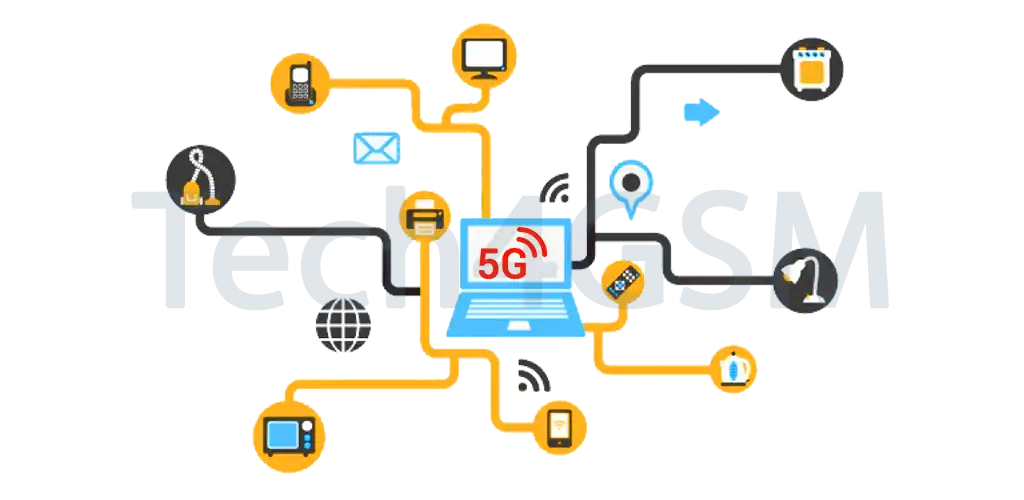
- IoT (Internet of Things): Smart devices connected to the internet, like smart home gadgets.
Fun Fact
The first 5G networks launched in 2019. Since then, they’ve been rolling out worldwide, with over 1 billion users expected by 2025!
Why 5G Matters to You
5G isn’t just about faster phones—it’s about transforming industries. From smart cities to telemedicine, 5G is the backbone of the future.