Introduction
In today’s world, touchscreens have become an integral part of our daily lives. From smartphones to tablets, ATMs to kiosks, touchscreens are everywhere. Among the various types of touchscreens available, capacitive touchscreens stand out for their sensitivity, durability, and user-friendly experience. If you’ve ever wondered how these screens work or why they’re so popular, you’re in the right place. Let’s dive into the fascinating world of capacitive touchscreens and explore what makes them unique.
How Do Capacitive Touchscreens Work?
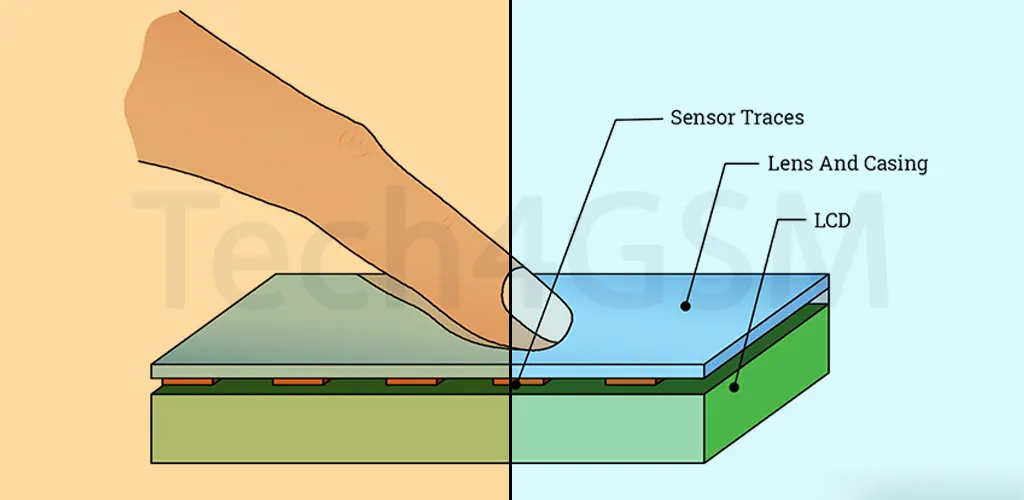
Capacitive touchscreens are designed to sense the electrical properties of the human body. Unlike older technologies that rely on pressure, capacitive screens detect the tiny electrical charge present in your fingers. When you touch the screen, it creates a disturbance in the screen’s electrostatic field, which is then registered as a touch input. This is why capacitive touchscreens feel so smooth and responsive.
One interesting fact is that capacitive touch sensors are used not only on touchscreens but also as buttons in many modern devices. However, because they rely on the electrical properties of your skin, they usually don’t work with regular styluses or gloves. This is why you might need a special capacitive stylus for tasks like drawing or handwriting on these screens.
Why Are Capacitive Touchscreens More Sensitive?
If you’ve ever used a resistive touchscreen, you might have noticed that it requires a bit of pressure to register a touch. Capacitive touchscreens, on the other hand, are incredibly sensitive. A light tap or even a gentle swipe is enough to get a response. This makes them feel more natural and intuitive to use, especially for tasks like scrolling, zooming, or gaming.
Durability: A Major Advantage
Another reason capacitive touchscreens are so popular is their durability. Unlike resistive screens, which have multiple layers that can wear out over time, capacitive screens are made from a single layer of glass. This makes them more resistant to scratches, dust, and daily wear and tear. Whether you’re using a smartphone or a public kiosk, capacitive touchscreens are built to last.
Capacitive vs. Resistive Touchscreens
While both types of touchscreens have their uses, capacitive screens are generally considered superior for modern devices. Resistive touchscreens, which rely on pressure, are often used in industrial settings or for handwriting recognition. However, they lack the sensitivity and sleek feel of capacitive screens. Capacitive touchscreens, with their smooth glass surface and quick response time, offer a more premium user experience.
Conclusion
Capacitive touchscreens have revolutionized the way we interact with technology. Their sensitivity, durability, and sleek design make them a favorite in smartphones, tablets, and other modern devices. While they may not support handwriting recognition or work with regular styluses, their advantages far outweigh these limitations. Next time you swipe, tap, or zoom on your device, take a moment to appreciate the incredible technology behind your fingertips.