Introduction
Picture this: You’re binge-watching a show, and the video loads instantly. Ever wonder how that magic happens? Meet downlink—the unsung hero of your mobile data experience. Let’s break down what it does, why it’s faster than its sibling “uplink,” and how this duo keeps you connected.
What is Downlink? (Hint: It’s Why Netflix Works)
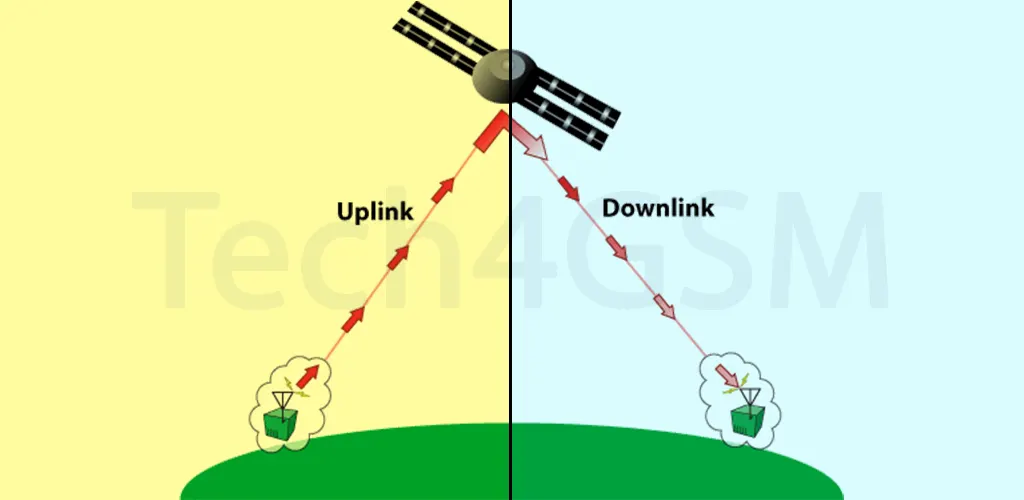
Think of downlink as a one-way data highway from a cell tower (or server) to your phone. Every time you stream a video, load a meme, or refresh your feed, downlink delivers that data to your screen. It’s like a pizza delivery driver bringing your order straight to your door—no return trip needed!
Downlink vs. Uplink: The Data Tango
Your phone uses two connections:
- Downlink: Receiving data (e.g., videos, apps, emails).
- Uplink: Sending data (e.g., uploading selfies, posting comments).
Here’s the kicker: Downlink is WAY faster. Why? Because you download more than you upload. Imagine a water pipe—your provider gives you a giant pipe for downloads (to handle HD videos) and a tiny straw for uploads (since a selfie doesn’t need as much speed).
Why the Speed Difference? Blame Your Habits!
Let’s be real—how often do you upload a 4K video vs. watch one? Providers prioritize downlink speeds because:
- Streaming rules: Netflix, YouTube, and TikTok hog bandwidth.
- Apps demand data: Maps, weather updates, and emails need quick downloads.
- You’re probably not a livestreamer (yet): Most users consume content more than they create it.
“But Why Can’t Uploads Be Faster?”
Good question! Symmetrical speeds (equal upload/download) exist but are rare outside fiber internet. For mobile networks, asymmetry keeps costs low and efficiency high. Unless you’re backing up huge files daily, you’ll rarely notice the slower uplink.
Real-World Downlink: How It Affects You
- Buffering? Weak downlink signal. Move closer to a window or tower.
- Laggy video calls? Both downlink (hearing others) and uplink (your audio) matter.
- Gaming frustrations? Downlink brings game data; uplink sends your moves.
The Future of Data Speeds
With 5G, downlink speeds are hitting gigabit levels—downloading a movie in seconds! But uplink is catching up slowly, thanks to trends like live streaming and cloud backups.
Final Takeaway
Downlink is the MVP of your mobile experience, quietly fueling your scrolling marathons. Next time your video loads instantly, thank this one-way data hero—and remember, if uploads ever bug you, asymmetry is probably to blame!