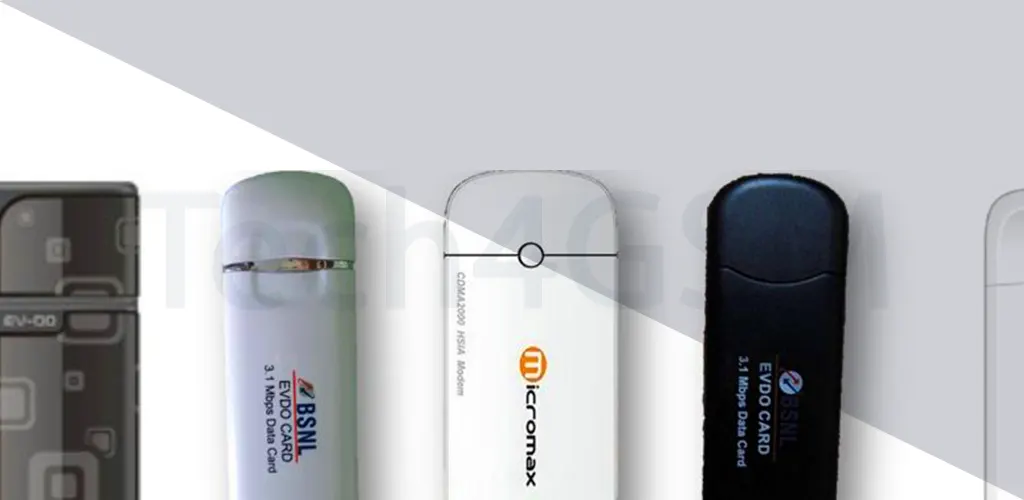
Introduction
Remember the days when buffering a YouTube video felt like forever? Meet EV-DO – the 3G upgrade that gave CDMA networks a need for speed in the pre-4G era. Let’s take a nostalgic trip to explore this tech relic!
What is EV-DO?
EV-DO (Evolution-Data Optimized) was a 3G technology that supercharged CDMA networks (used by carriers like Verizon and Sprint). It promised faster mobile internet – think of it as a turbo button for early smartphones.
EV-DO Versions: Release 0 vs. Revision A
Not all EV-DO was equal! Here’s the lowdown:
- Release 0 (The OG)
- Promised Speed: Up to 2.4 Mbps download (theoretical).
- Real-World Speed: 300-600 Kbps – enough for basic emails, not Netflix.
- Legacy: Widely used but felt sluggish compared to dreams of “high-speed” browsing.
- Revision A (The Upgrade)
- Faster Downloads: Up to 3.1 Mbps (still not lightning-fast).
- Better Uploads: 1.8 Mbps uplink – better for sending pics or video calls.
- New Tricks: Supported VoIP calls and video chats (a big deal pre-Zoom!).
Why EV-DO Mattered
- Mobile Internet’s Baby Steps: Before LTE, EV-DO was your ticket to (slow) web browsing on the go.
- VoIP Pioneer: Revision A let apps like Skype work kinda-sorta smoothly.
- CDMA’s Lifeline: Kept Verizon/Sprint users connected in the 2000s.
Limitations: The Speed Bumps
- “Up to” Speeds: Real-world performance was often half the promise.
- No Native Voice Calls: EV-DO was data-only. Voice used older CDMA networks.
- Obsolete Fast: 4G LTE (from 2010s) made EV-DO look like dial-up.
EV-DO vs. Today’s Networks
Imagine downloading a 3MB song:
- EV-DO (600 Kbps): ~40 seconds.
- 5G (100 Mbps): Less than a second.
Yep, we’ve come a long way!
RIP EV-DO: Where Is It Now?
Most carriers phased out EV-DO by the 2020s as 4G/5G took over. But in its heyday, it was the best we had for mobile hotspots and early apps!
Did You Know?
- EV-DO’s “DO” stood for Data Optimized – voice calls weren’t its thing.
- iPhone 3G used rival HSDPA (AT&T’s network), leaving EV-DO to Android and BlackBerry.
Final Thoughts
EV-DO was the unsung hero of early mobile internet – slow by today’s standards but revolutionary in the 2000s. It paved the way for streaming, apps, and the always-connected world we love (and hate) today.