Introduction
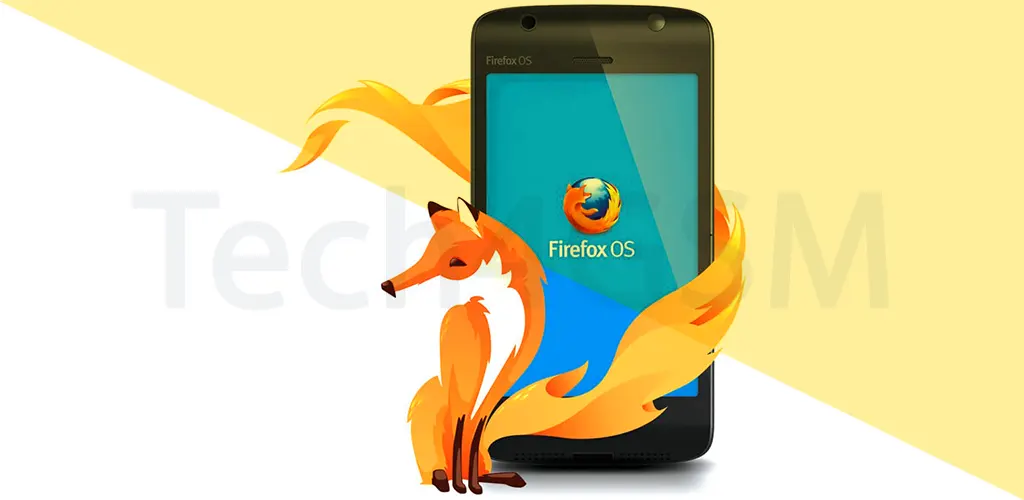
Remember when your phone’s apps could run straight from the web? Meet Firefox OS – Mozilla’s bold attempt to reinvent smartphones using HTML5 instead of app stores. Though it’s gone now, its legacy lives on. Let’s dive into this quirky, web-powered experiment!
What Was Firefox OS?
Firefox OS (codenamed Boot to Gecko) was a free, open-source mobile OS built by Mozilla (the folks behind the Firefox browser). Launched in 2012, it aimed to:
- Replace native apps with HTML5 web apps.
- Make smartphones cheaper and more accessible.
- Give developers an easy platform (no complex coding needed!).
Imagine a phone where every app was just a website with superpowers – that was Firefox OS!
How Did It Work?
Unlike Android or iOS, Firefox OS ran apps entirely through:
- HTML5 + JavaScript: Apps were basically advanced websites.
- Gecko Engine: The same tech powering Firefox, tweaked for phones.
- Direct Hardware Access: Web apps could use the camera, GPS, etc.
No app stores, no fees – just the open web. 🌐
Why Did Firefox OS Fail?
Despite its cool ideas, Firefox OS struggled because:
- App Gap: Few big-name apps (WhatsApp, Instagram) supported it.
- Performance Issues: Web apps lagged behind native ones.
- Android Dominance: Cheap Android phones flooded the market.
- Carrier Conflicts: Mozilla partnered with telecoms, but they lost interest.
By 2016, Mozilla pulled the plug. 💔
Firefox OS’s Legacy
- Pioneered Web Apps: Inspired Progressive Web Apps (PWAs) used today.
- Cheap Phones: Partnered with brands like Alcatel for $50 devices.
- Open-Source Spirit: Pushed for a web-free-from-Apple/Google control.
Fun Facts
- Codenamed Boot to Gecko: A nod to Android’s “Boot to Dalvik.”
- ZTE Open: A popular Firefox OS phone sold in Europe/Latin America.
- KaiOS: The spiritual successor powering budget phones like JioPhone.
Could Firefox OS Work Today?
Maybe! With better web tech (5G, PWAs), a reboot could thrive. But for now, it remains a what-if in mobile history.
Final Thoughts
Firefox OS was the idealistic rebel of mobile OSes – too early, but full of big ideas. It reminded us the web could be the future, even if it lost the battle.