Introduction
Imagine turning your phone into a movie theater, gaming console, or slideshow projector—all with one cable. That’s the power of Mobile High-Definition Link (MHL), the unsung hero that bridges your phone and TV. Let’s explore how MHL works, why it rocked the 2010s, and where it stands today.
MHL 101: The Cable That Turns Phones into Powerhouses
MHL is a tech standard that lets you plug your phone or tablet into a TV or sound system using a simple cable. Think of it as a “magic bridge” for:
- 4K Movies: Stream Netflix in Ultra HD from your phone to your TV.
- Gaming Glory: Play mobile games on a giant screen.
- Crystal-Clear Sound: Pump 7.1 surround sound through your home theater.
Developed by big names like Samsung, Sony, and Nokia, MHL became the go-to for tech lovers who wanted more from their devices.
Why MHL Was a Game-Changer
- One Cable, Multiple Superpowers:
- Charge While You Play: The cable powers your phone (up to 900mA for MHL 2.0!).
- No Extra Apps: Just plug and play—no Wi-Fi or Bluetooth needed.
- Control with Your TV Remote: Use your TV’s remote to navigate your phone (thanks to RCP support).
- 4K Before It Was Cool: MHL 3.0 (2013) supported 4K video and Dolby TrueHD sound—way ahead of its time.
- Universal… Almost: Most phones used the standard 5-pin Micro-USB port, but Samsung added an 11-pin twist for Galaxy devices.
The MHL Evolution: From 2010 to 4K Stardom
- MHL 1.0 (2010): Started with 1080p video and basic charging. The Samsung Galaxy SII was the first to use it.
- MHL 2.0 (2011): Boosted charging speed and added HDCP for anti-piracy protection.
- MHL 3.0 (2013): The beast! 4K video, 10W charging, and even let you control your phone with a keyboard or car touchscreen.
Samsung’s 11-Pin Twist: Love It or Hate It
Samsung Galaxy fans faced a hiccup: phones like the S4 or Note II used a unique 11-pin MHL port. But there was a fix:
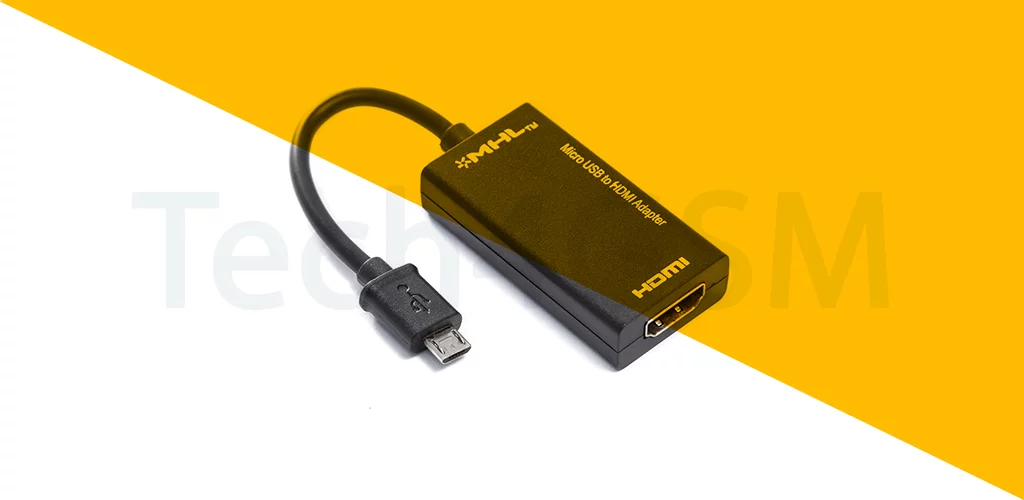
- Adapter Hack: Use a 5-pin MHL-to-HDMI adapter + a cheap 11-pin tip. Problem solved!
Is MHL Still Relevant in 2024?
With Wi-Fi streaming and USB-C dominating, MHL isn’t mainstream—but it’s not dead! Here’s where it shines:
- No Internet? No Problem: Perfect for hotels or areas with spotty Wi-Fi.
- Retro Tech Fun: Dust off old Galaxy phones or Sony Xperia devices for a nostalgia trip.
- Car Dashboards: Some cars still use MHL to mirror phones on infotainment screens.
4 Tips for Using MHL Like a Pro
- Check Compatibility: Not all phones/TVs support MHL.
- Grab the Right Cable: 5-pin vs. 11-pin matters! Samsung users need special adapters.
- Maximize Charging: Use MHL 3.0 cables for faster power boosts.
- Go Big or Go Home: Connect to projectors for DIY home theaters.
What Killed MHL?
Blame USB-C and Wireless Tech: Newer ports handle 4K and charging without extra cables, while Chromecast and AirPlay made wires feel old-school.
Final Thoughts
MHL was the bridge between phones and TVs when streaming was still a dream. While it’s faded from the spotlight, it’s a reminder of how far mobile tech has leaped.