Introduction
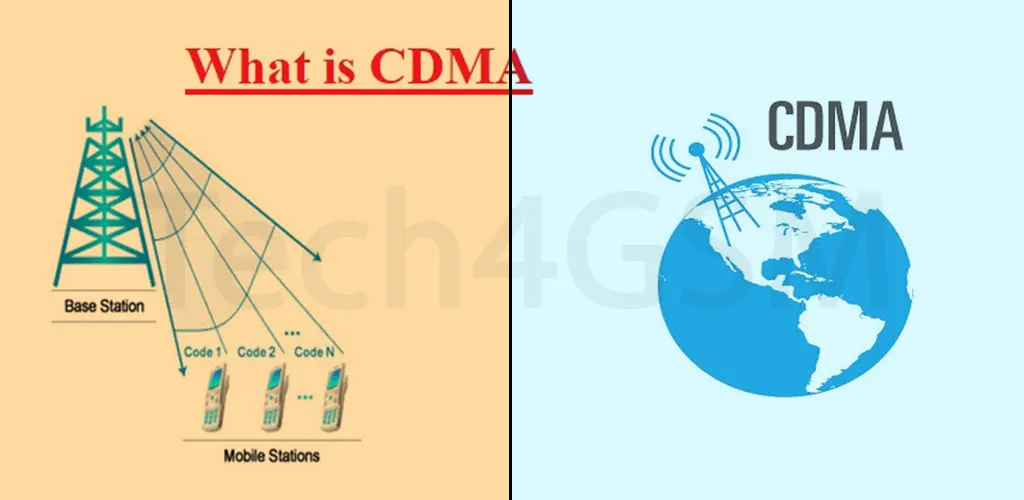
Looking for a simple explanation of CDMA (Code-Division Multiple Access)? Let’s break it down! CDMA is a digital technology that allows multiple users to share the same frequency band to transmit data, calls, or messages. Unlike older systems that split signals by time or frequency, CDMA uses unique codes to separate conversations, making communication smoother and more efficient.
How Does CDMA Work? Imagine a Crowded Party!
Think of CDMA like a party where everyone speaks different languages. Even if people talk at the same time, you only understand the person sharing your language. Similarly, CDMA assigns a unique code to each user. Data is broken into pieces, tagged with these codes, and sent over a broad frequency. The receiver uses the same code to pick out their specific data, ignoring the rest. This “spread spectrum” technique minimizes interference and boosts security.
CDMA Has No Fixed Capacity Limit (But There’s a Catch!)
CDMA doesn’t have a strict user limit like older GSM networks. Instead, its capacity depends on call quality. The base station continuously checks signal strength and interference. If adding a new user risks dropping call quality below a set standard, the network delays the connection until space opens up. This “soft limit” ensures reliable service without freezing or dropped calls.
Key CDMA Standards: IS-95 (cdmaOne) and CDMA2000
When people talk about CDMA, they’re usually referring to two major standards:
- IS-95 (cdmaOne): The first commercial CDMA standard, launched in the 1990s. It supported voice calls and basic data.
- CDMA2000: An upgraded 3G version offering faster internet and multimedia services.
These technologies operate in the 800 MHz and 1900 MHz frequency bands, balancing coverage and data speed.
Where Is CDMA Used?
CDMA networks are popular in the Americas and Asia. For example, Verizon and Sprint in the U.S., Reliance in India, and SK Telecom in South Korea once relied on CDMA. While many carriers have shifted to 4G/5G, CDMA still supports older devices and rural areas. Need help with CDMA phones? Check out tech4gsm.com for unlocking or repair guides!
Why CDMA Still Matters
Even with newer tech like LTE, CDMA’s legacy lives on. Its efficient use of spectrum, enhanced security, and call quality principles influenced modern wireless systems. Plus, millions of devices still run on CDMA networks worldwide.
In short: CDMA is a clever, code-based system that transformed mobile communication. It’s flexible, secure, and paved the way for today’s high-speed networks.