Introduction
Ever put on headphones and felt like the left and right audio channels were “mixing” when they shouldn’t? Or noticed weird interference during a call? That’s crosstalk—a quirky tech glitch that’s both fascinating and annoying. Let’s break down what it is, why it matters, and how it sneaks into your gadgets.
What is Crosstalk? (No, It’s Not People Talking Over Each Other)
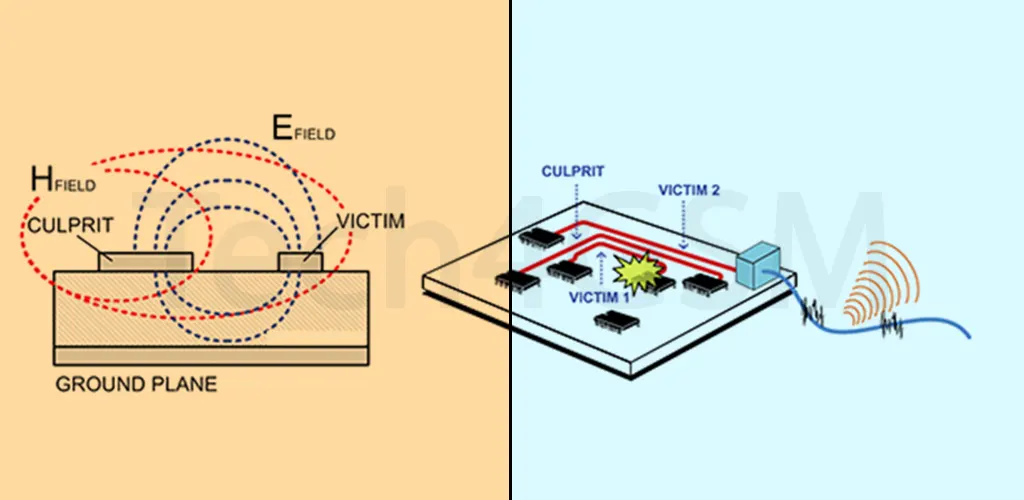
In simple terms, crosstalk happens when a signal from one electronic circuit or channel accidentally “bleeds” into another. Imagine two neighbors shouting through thin walls—their conversations get muddled. Similarly, in devices like smartphones or audio systems, electrical signals can interfere with each other, causing distortion, noise, or garbled sound.
While modern tech has reduced crosstalk (thanks to better shielding and digital systems), it’s not entirely gone. Think of it like a ghost in the machine—rare but not impossible!
Crosstalk in Mobile Phones: Why Should You Care?
You might wonder: “Do I need to worry about crosstalk in 2024?” The answer? It depends.
- For calls and data: Modern phones use advanced digital signals (like 5G) that minimize crosstalk. It’s rare to hear “ghost voices” during calls anymore.
- For audio quality: Here’s where crosstalk still creeps in. When testing phones, experts measure stereo crosstalk—how much the left and right audio channels leak into each other. Too much crosstalk? Your music loses clarity, and instruments sound jumbled.
Stereo Crosstalk: The Secret Judge of Your Phone’s Music Skills
- The “Good Stereo” Test: Imagine listening to a song where vocals are supposed to be centered, guitars on the left, and drums on the right. High crosstalk blurs these positions, making everything sound flat.
- The Number Game: Measured in decibels (dB), lower crosstalk (e.g., -70 dB) means cleaner audio. Higher crosstalk (e.g., -50 dB) means more “bleed.” Premium phones aim for -90 dB or lower!
Is Crosstalk Still a Problem in 2024?
Thanks to smarter engineering, most phones handle crosstalk well. But budget devices or poorly designed headphones might still struggle. Here’s how to spot it:
- Muddy Music: Can’t tell where sounds are coming from? Crosstalk might be the culprit.
- Call Echoes: Rare, but if voices overlap during calls, suspect signal interference.
- Cheap Accessories: Low-quality aux cables or chargers can introduce crosstalk.
How Tech Brands Fight Crosstalk
- Shielding: Wrapping circuits in materials that block interference.
- Digital Signal Processing (DSP): Software that isolates channels.
- Better Wiring: Separating audio and power lines inside devices.
For example, premium phones like the iPhone or Galaxy S24 use layered circuit boards and premium DACs (digital-to-analog converters) to keep crosstalk at bay.
Crosstalk vs. You: What Can You Do?
- Use Quality Gear: Invest in certified headphones or adapters.
- Avoid “Daisy-Chaining”: Don’t plug multiple devices into one port.
Final Note: The Silent Audio Villain
Crosstalk might not be a daily headache, but it’s a reminder of how delicate electronics are. Next time your music feels “off,” you’ll know where to look! For in-depth reviews on phones with stellar audio (and minimal crosstalk), visit tech4gsm.com.