Introduction
When you buy a phone, laptop, or USB drive, you’ve probably heard terms like GB or gigabyte. But what exactly does it mean? Let’s break it down in easy language!
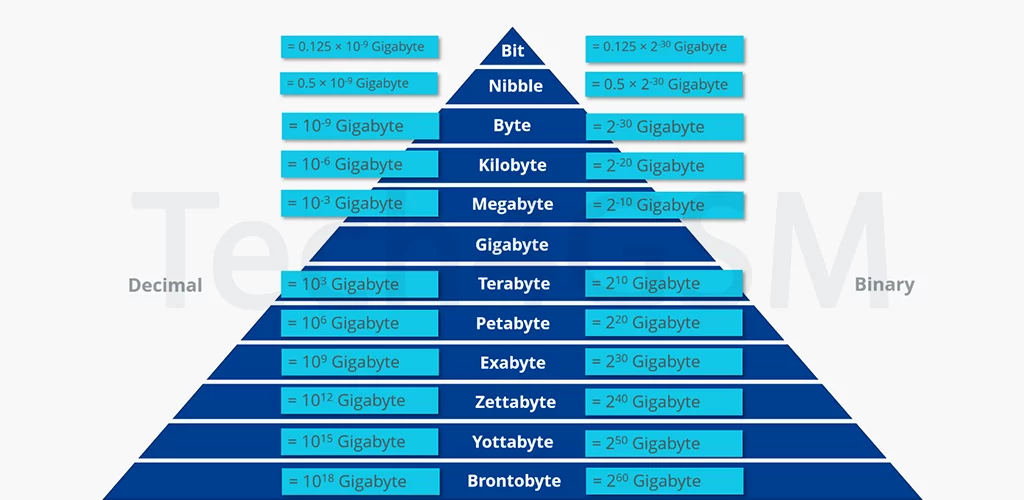
1GB = 1 Billion Bytes (Or 1024 MB)
A gigabyte (GB) is a unit of digital storage. Here’s the simple math:
- 1 GB ≈ 1,000,000,000 bytes (that’s 1 billion bytes!).
- 1 GB = 1024 megabytes (MB).
Wait, why 1024 and not 1000? Computers use a binary system (base 2), so they count in multiples of 1024 instead of 1000. This tiny difference matters for technical accuracy, but in everyday use, 1GB is roughly 1 billion bytes.
Why Does This Matter to You?
- Storage Capacity: A 1GB USB drive can store about 300 photos (3MB each) or 250 songs (4MB per song).
- Data Plans: Mobile data limits are often in GB. For example, 1GB of data lets you browse the web for ~10 hours or stream music for 2 hours.
- Apps & Games: A mobile game like Candy Crush takes up 100–200 MB, meaning you could fit 5–10 games in 1GB!
Real-Life Examples of GB Usage
- Smartphones: A phone with 128GB storage can hold over 30,000 photos or 15,000 songs.
- Laptops: A 512GB SSD can store 50+ HD movies or thousands of work documents.
- Cloud Storage: Services like Google Drive offer 15GB free storage—enough for backups of essential files.
How to Manage Your GB Smartly
- Delete duplicates: Free up space by removing duplicate photos or files.
- Use cloud backups: Save GBs on your device by uploading files to the cloud.
- Monitor data usage: Avoid hitting your mobile data limit by tracking apps that eat up GBs.
Final Thoughts
Whether it’s storing memories, streaming videos, or gaming, GBs are the backbone of our digital lives. Understanding how much a gigabyte holds helps you make smarter choices about devices and data plans.
Key Takeaways:
- 1GB ≈ 1 billion bytes (or 1024 MB).
- Use GB to measure photos, apps, and data plans.
Manage storage wisely with cloud backups and regular clean-ups.