Introduction
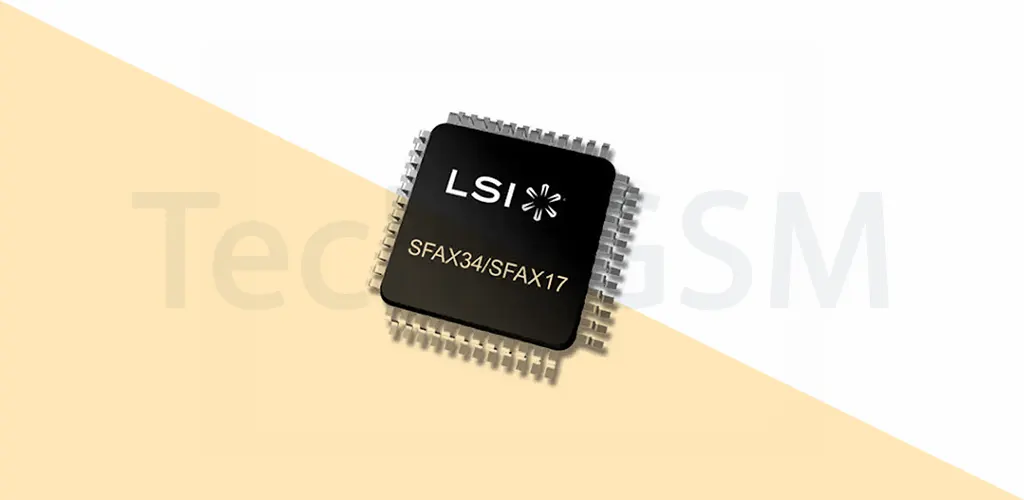
In the world of electronics, LSI (Large-Scale Integration) marked a revolutionary leap. Introduced in 1971, LSI chips packed 500 to 20,000 transistors and 100 to 9,999 logic gates into a single chip. This innovation replaced older MSI (Medium-Scale Integration) technology and paved the way for even more advanced VLSI (Very-Large-Scale Integration) chips. Let’s break down how LSI transformed technology—and why it still matters today.
From MSI to LSI to VLSI: A Quick Evolution
Before LSI, MSI chips (1960s) held just 10–500 transistors, limiting their capabilities. LSI changed the game by squeezing thousands of components onto one chip, making devices smaller, faster, and cheaper. By the 1980s, VLSI took over, integrating millions of transistors—but LSI laid the groundwork for this progress.
What’s Inside an LSI Chip?
Think of an LSI chip as a mini-city:
- Transistors: Tiny switches that control electricity. More transistors = smarter chips.
- Logic Gates: Building blocks for circuits. They perform basic tasks like adding numbers or storing data.
With thousands of these packed together, LSI chips could handle complex tasks like running early computers or digital calculators.
Why Was LSI a Big Deal?
- Smaller Devices: LSI made gadgets like calculators and digital watches portable.
- Cost-Effective: Producing one powerful chip was cheaper than wiring many small chips together.
- Better Performance: Faster processing with less energy waste.
Without LSI, we wouldn’t have the compact, efficient tech we rely on today!
Where Was LSI Used?
- Computers: Early microprocessors and memory chips.
- Communication: Telephone systems and modems.
- Consumer Tech: Calculators, gaming consoles, and digital clocks.
LSI’s Legacy in 2025 and Beyond
While VLSI and newer tech dominate today’s devices, LSI’s principles still matter. Many basic electronics and industrial systems still use LSI-based designs. Plus, understanding LSI helps engineers appreciate how far we’ve come—and where we’re headed next.
FAQ: LSI Made Simple
1. What does LSI stand for?
LSI = Large-Scale Integration. It refers to chips with 500–20,000 transistors, common in the 1970s–80s.
2. How is LSI different from VLSI?
VLSI (Very-Large-Scale Integration) has millions of transistors, while LSI stops at 20,000.
3. Is LSI still used in 2025?
Yes! Older devices and some industrial systems still rely on LSI for simple, reliable performance.
4. Why did LSI replace MSI?
LSI offered more power in less space, reducing costs and boosting efficiency.
5. What’s a real-world example of LSI?
Early calculators, like the Texas Instruments models, used LSI chips to perform quick math.
Final Thoughts
LSI was a quiet hero in tech history, bridging the gap between bulky old circuits and today’s ultra-smart devices. By packing more into less, it showed the world what tiny chips could do—and inspired the tech revolution we’re still living in.