Introduction
In today’s fast-paced banking world, the MICR Magnetic Ink Character Reader plays a vital role in ensuring secure and efficient check processing. Let’s break down how this technology works, why it’s trusted globally, and its unique features in easy-to-understand language.
What is MICR?
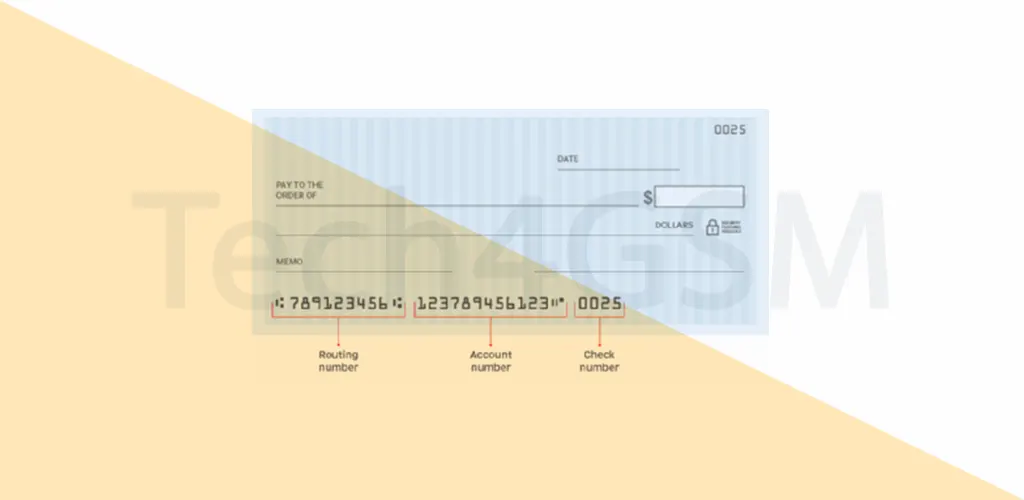
MICR stands for Magnetic Ink Character Recognition. It’s a specialized technology used to read characters printed with magnetic ink, primarily on checks. The series of numbers at the bottom-left corner of a check? That’s the MICR code—a blend of the check number, account number, and bank routing details.
Format of MICR Code
A MICR code has three parts:
- First 3 digits: City code (where the bank is located).
- Next 3 digits: Bank code (identifies the bank).
- Last 3 digits: Branch code (specific branch).
This 9-digit code helps banks verify checks quickly and cut processing costs.
Key Characteristics of MICR
- Magnetic Ink: Contains iron oxide, making characters detectable by magnetic sensors.
- Machine-Friendly Fonts: Uses unique fonts like E-13B (14 characters) or CMC-7 (15 characters) for accuracy.
- Tamper-Proof: Hard to forge due to specialized ink.
- Standardized Design: Follows global guidelines (ANSI/ISO) for consistency.
How Does MICR Work?
MICR readers scan checks using magnetic sensors. The iron oxide in the ink creates a signal, allowing machines to read the code even if stamps or signatures cover it. Two common fonts are used:
- E-13B: Includes numbers, symbols, and letters.
- CMC-7: Barcode-like format with control characters.
This tech ensures checks are processed without human errors.
Why is MICR Important?
- Security: Magnetic ink is tough to replicate, reducing fraud.
- Speed: Automates check clearing, saving time.
- Reliability: Resists smudging or fading.
Despite newer technologies like OCR, MICR remains a banking staple due to its security.
History of MICR
Developed in the 1950s, MICR revolutionized check processing by replacing manual verification. Standards by ANSI and ISO ensured global adoption. Even in 2025, it remains relevant for secure transactions.
Pros and Cons of MICR
| Advantages | Disadvantages |
|---|---|
| Reduces fraud | Expensive ink and equipment |
| Fast processing | Limited design flexibility |
| High accuracy | Competing tech like OCR |
MICR Beyond Banking
While linked to checks, MICR is also used in:
- Document sorting.
- Payment vouchers.
- Security printing.
FAQs
1. Where is MICR used?
Primarily in banking, printed as a 9-digit code on checks. The code includes city, bank, and branch details.
2. How do banks use MICR?
Since the 1950s, banks use MICR to automate check processing and deter fraud. Readers scan the code for quick verification.
3. MICR vs. IFSC Code: What’s the difference?
- IFSC: Used for online transfers (NEFT/RTGS).
- MICR: Exclusive to check processing.
Conclusion
MICR technology is a backbone of secure banking, blending speed and reliability. While newer methods emerge, its anti-fraud features keep it indispensable. As we step into 2025, MICR continues to shape financial security.