Introduction
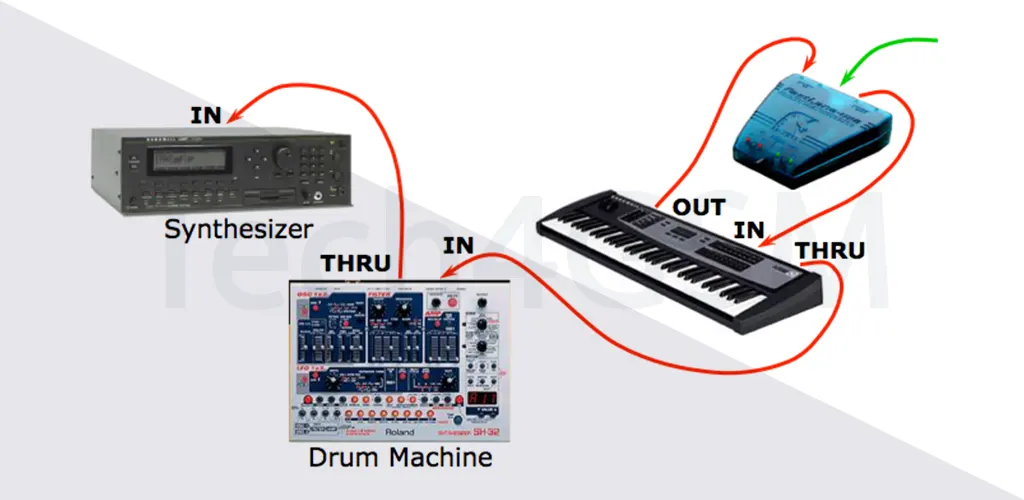
Imagine a world where your keyboard chats with your computer, your drum machine high-fives your synth, and they all jam together perfectly. That’s the magic of MIDI (Musical Instrument Digital Interface)! This unsung hero of music tech doesn’t make sound itself—it’s the ultimate matchmaker for your gear. Let’s dive into how MIDI shapes the beats, ringtones, and symphonies you love!
What Is MIDI? The Tech Behind the Music
MIDI is like musical Morse code—a universal language that lets electronic devices (synthesizers, computers, drum machines) talk to each other. Instead of sending actual audio, MIDI shares instructions: “Play a C note on the piano, hold it for 2 seconds, then add a drum kick.” Think of it as a recipe, while your gadgets are the chefs cooking up the sound.
Key MIDI Superpowers:
- Control Freak: Adjust volume, switch instruments, or tweak effects across devices with a single click.
- Tiny File Sizes: MIDI files are lightweight (like text messages), making them perfect for old ringtones or low-storage devices.
- Edit-Friendly: Change instruments or notes after recording—no need to re-play the whole track!
MIDI Files: The Blueprint of Your Favorite Tunes
A MIDI file isn’t a song—it’s a set of commands that tell devices how to play music. For example:
- “Use a guitar sound at 2:15.”
- “Hit a snare drum on beat 3.”
- “Speed up the tempo by 10%.”
This flexibility lets you turn a piano track into a string quartet instantly. Plus, MIDI files sparked the ringtone revolution! Before MP3s, your Nokia’s “Nokia Tune” was a MIDI masterpiece.
Monophony vs. Polyphony: Why More Notes = More Magic
- Monophonic MIDI: Plays one note at a time (like a solo flute). Great for simple melodies but lacks depth.
- Polyphonic MIDI: Plays multiple notes together (like a full orchestra). The more notes a device can handle (e.g., 64-note polyphony), the richer the music sounds.
Fun Fact: Early video game soundtracks (think Super Mario) used basic MIDI. Modern synths use polyphony to create Hollywood-level scores!
MIDI in Action: From Ringtones to Rock Anthems
- Old-School Ringtones:
- Remember when phones couldn’t play MP3s? MIDI’s small size made custom ringtones possible. “Crazy Frog” started as a MIDI file!
- Music Production:
- Producers use MIDI controllers (keyboards, pads) to record virtual instruments in software like FL Studio or Ableton.
- Live Concerts:
- Bands trigger lights, synth layers, and backing tracks using MIDI—all synced to the drummer’s click track!
Why MIDI Still Matters in 2025
- DIY Music Creation: Turn your laptop into a studio with affordable MIDI keyboards.
- Smart Home Integration: MIDI-powered apps can sync smart lights to your playlist’s tempo.
- Retro Gaming: MIDI’s nostalgic “bleeps” fuel the chiptune music scene.
How to Start Your MIDI Adventure
- Grab a MIDI Controller: Even a $50 keyboard can unlock endless creativity.
- Download Free Software: Try MuseScore (for notation) or GarageBand (for recording).
- Experiment: Remix a MIDI file online—swap instruments, change tempos, go wild!
Final Note
MIDI is the quiet genius behind your playlist, gaming soundtrack, and even your aunt’s quirky ringtone. It’s proof that great music isn’t just about sound—it’s about connection. Whether you’re a bedroom producer or a tech geek, MIDI turns your ideas into symphonies.