Introduction
Imagine surfing the web at broadband speeds while sitting in a park, riding a train, or even road-tripping across the country—no cables, no Wi-Fi hotspots. That’s the dream Mobile WiMAX promised. Let’s unravel this underdog tech that aimed to beat 4G and why it’s a fascinating footnote in wireless history.
What is Mobile WiMAX? Internet Freedom, Unleashed
Mobile WiMAX (short for Worldwide Interoperability for Microwave Access) is a wireless standard (tech code: 802.16e) designed to deliver high-speed internet over long distances. Think of it as a “wireless broadband highway” that covers entire cities or regions!
Key Features:
- Cable-Free Internet: Ditch landlines—get broadband-like speeds on the go.
- Massive Coverage: A single tower can blanket a city (unlike Wi-Fi’s short range).
- Subscription Model: Pay monthly, like cellular data, but often cheaper.
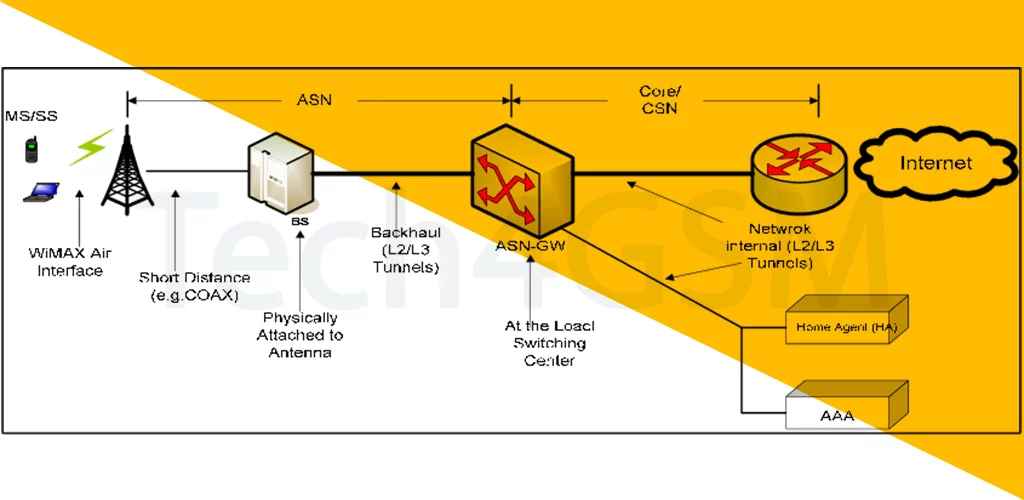
How Mobile WiMAX Works: Towers, Modems, and Magic
- Tower Power: Providers set up WiMAX towers (similar to cell towers) to broadcast signals.
- Grab a Modem: You need a WiMAX modem (usually free from the provider) to catch the signal.
- Connect & Go: Enjoy internet on your laptop, phone, or tablet—anywhere in the coverage zone.
Fun Fact: WiMAX modems look like bulky USB sticks or small routers!
The Good, The Bad, and The “Meh” of WiMAX
Pros:
- Speed Promise: Up to 75Mbps (theoretical)—faster than old 3G networks.
- Rural Hero: Perfect for areas with no fiber cables or cell towers.
- No Data Caps: Early plans offered unlimited usage (unlike many cellular plans).
Cons:
- Real-World Speeds: Usually 1-10Mbps—good for emails, bad for Netflix.
- Modem Dependency: Lose the modem, lose the internet.
- Limited Adoption: Most carriers chose LTE/4G instead, leaving WiMAX in the dust.
WiMAX vs. 4G/5G: Why It Lost the Race
- Speed Wars: 4G LTE offered similar (or better) speeds without needing a separate modem.
- Phone Support: Few phones had built-in WiMAX—most needed external gadgets.
- Carrier Choices: Big players like Verizon and AT&T bet on LTE, starving WiMAX of investment.
Is Mobile WiMAX Still Alive in 2024?
Mostly no, but it’s not extinct!
- Niche Uses: Some rural ISPs still use WiMAX for last-mile internet.
- Developing Nations: Deployed in regions lacking fiber infrastructure.
- Retro Tech Love: Enthusiasts collect WiMAX modems for nostalgia (yes, really!).
3 Reasons WiMAX Still Matters
- Paved the Way for 5G: Its ideas influenced modern wireless tech.
- Proved Wireless Broadband Was Possible: Inspired LTE and rural internet solutions.
- Community Networks: Small towns still use WiMAX for local internet projects.
Could WiMAX Make a Comeback?
With satellite internet (Starlink) and 5G dominating, WiMAX’s revival is unlikely. But its legacy lives on in:
- Smart City Projects: Sensors using WiMAX-like long-range signals.
- Disaster Relief: Quick-to-deploy internet in emergencies.
Final Thoughts
Mobile WiMAX was the future that arrived too early—and left too soon. While it couldn’t dethrone 4G, it showed us the power of wireless freedom.