Introduction
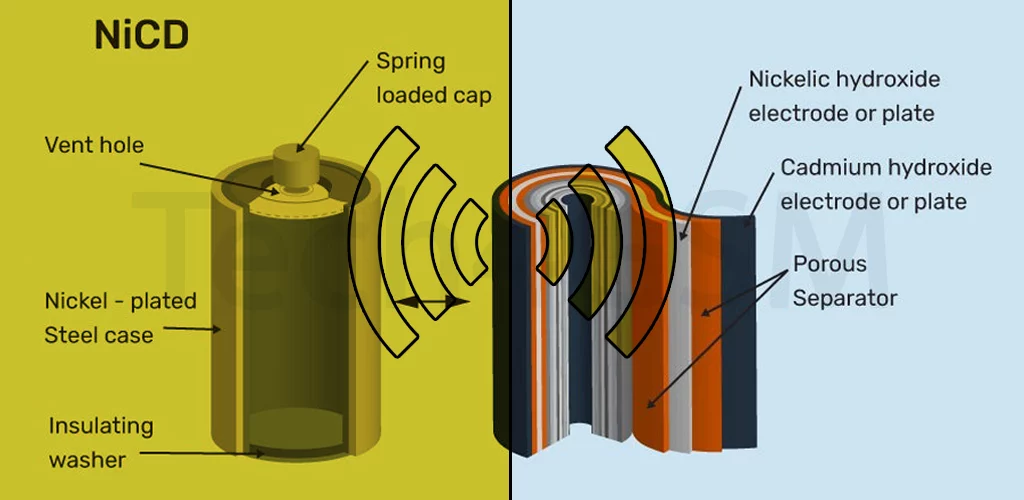
Remember those chunky cordless phones from the ’90s or your first handheld gaming device? Chances are, they ran on NiCd (Nickel Cadmium) batteries—the pioneers of rechargeable power. Affordable and tough, these batteries once ruled the tech world… but they came with a catch. Let’s explore their legacy and the infamous “memory effect” that made them both loved and loathed!
1. What Are NiCd Batteries?
NiCd batteries were the go-to rechargeable power source for decades. They’re like the reliable, if slightly stubborn, grandparent of modern batteries:
- Inexpensive: Cheaper to produce than newer alternatives.
- Durable: Survived drops, heat, and rough handling.
- High Discharge Rate: Perfect for power-hungry gadgets like drills or emergency lights.
But they had a hidden flaw: the “memory effect”—a quirk that could shorten their lifespan if misused.
2. The “Memory Effect” Explained (No Science Degree Needed!)
Imagine your battery is a student. If you only let it study half a chapter before a test (partial discharge), it “forgets” the rest. Similarly, NiCd batteries “remember” the point where you started recharging them. If you keep plugging them in before they’re fully drained, they lose capacity over time.
Example: A battery rated for 8 hours might only last 5 hours after a few partial charges.
3. How to Avoid the Memory Effect
Keep your NiCd battery in shape with these tips:
- Fully Drain It: Use the device until it dies before recharging.
- Skip “Top-Ups”: Avoid plugging in a half-used battery.
- Monthly “Exercise”: Do a full discharge/recharge cycle once a month to reset its memory.
4. The Dark Side of NiCd: Environmental Impact
NiCd batteries contain toxic cadmium—a harmful heavy metal. Dumping them in landfills risks soil and water pollution. Always recycle them at e-waste centers!
5. Where Are NiCd Batteries Still Used Today?
While outdated for phones, they’re not extinct! You’ll find them in:
- Emergency Lighting: Reliable in power outages.
- Medical Devices: Backup power for hospitals.
- Vintage Tech: Keeps old camcorders or radios alive.
6. NiCd vs. Modern Batteries: Why We Moved On
- NiMH (Nickel-Metal Hydride): No memory effect, eco-friendly, but pricier.
- Li-ion (Lithium-ion): Lighter, longer-lasting, and today’s gold standard.
Fun Fact: Your smartphone’s Li-ion battery is the tech-savvy cousin of NiCd!
7. Should You Still Use NiCd Batteries?
Only if:
- You need a budget-friendly option for low-tech devices.
- You’re maintaining vintage gear that requires them.
Otherwise, upgrade to NiMH or Li-ion for better performance and eco-friendliness.
Final Tip: Respect the Old Guard
NiCd batteries paved the way for modern tech, quirks and all. If you still use them, treat them right to maximize their lifespan. And when it’s time to say goodbye, recycle responsibly!
Did You Know? NASA used NiCd batteries on the Hubble Space Telescope! Even in orbit, the memory effect was a challenge. 🛰️🔋