Introduction
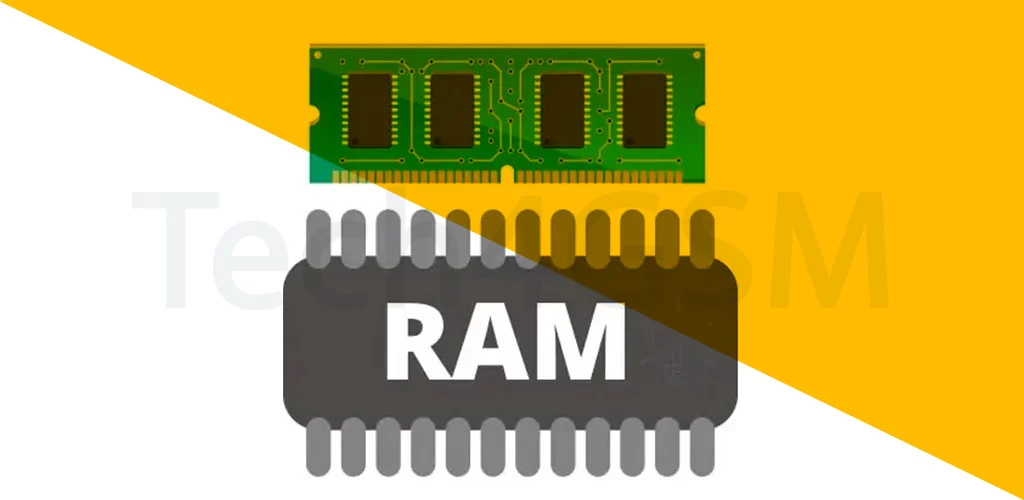
Ever wondered how your phone switches between apps instantly or why your laptop slows down with too many tabs open? Meet RAM (Random Access Memory)—your gadget’s lightning-fast “brain desk” where all the action happens! Let’s break down how RAM works, why it’s essential, and how it impacts your daily tech life.
RAM Basics: Your Device’s Temporary Powerhouse
- RAM stands for Random Access Memory.
- It’s where apps, software, and data live while in use. Think of it as a workspace for your device’s brain (CPU).
- Used by everything: Your operating system (like Windows or Android) and apps (Netflix, games) rely on RAM to run smoothly.
- Fun Fact: RAM is super fast but forgets everything when the power’s off—like a whiteboard that erases when unplugged!
Why RAM Matters: Speed & Multitasking
- Need for Speed: RAM lets your device access data instantly. Without it, even opening a file would feel like waiting for a snail!
- Multitasking Magic: More RAM = More apps running at once. Try gaming while streaming music? Thank your RAM!
- Volatile but Vital: RAM’s “short-term memory” is perfect for tasks needing quick changes (e.g., editing a photo).
How RAM Works: Teamwork with Storage
- Volatile vs. Permanent:
- RAM: Fast, temporary storage (data vanishes when powered off).
- Storage (HDD/Flash): Slower, permanent storage (saves files forever).
- The Perfect Pair: When you open an app, your device copies it from storage to RAM for quick access. Close the app? RAM clears space, but storage keeps it saved.
Why More RAM = Better Performance
- Handle Heavy Tasks: Video editing, gaming, and 50 browser tabs demand more RAM. Too little? Your device freezes or lags.
- Future-Proofing: Newer apps need more RAM. Devices with 4GB RAM struggle today, while 8GB+ keeps things smooth.
- Tip: Check your device’s RAM before buying! Need an upgrade? Sites like tech4gsm.com offer guides and parts.
RAM vs. Storage: Don’t Mix Them Up!
- RAM: Short-term, speed-focused. Resets when powered off.
- Storage (SSD/HDD): Long-term, holds files forever.
- Analogy: RAM is your office desk; storage is the filing cabinet. The bigger the desk (RAM), the more projects you can juggle!
Signs Your Device Needs More RAM
- Slows down with multiple apps.
- Apps crash or take ages to load.
- Frequent “Out of Memory” errors.
RAM in Everyday Tech
- Phones: Flagship phones boast 12GB RAM for buttery-smooth gaming.
- Laptops: 8GB RAM is standard; 16GB+ for creators.
- Gaming Consoles: High RAM ensures no lag during intense battles.
Final Thoughts
RAM is the unsung hero of your gadgets—making every click, swipe, and tap feel instant. While it doesn’t store your cat photos forever, it’s the reason your device can juggle tasks like a pro.