Introduction
Ever wondered how older smartphones, ATMs, or ticket machines respond to your touch? The answer lies in resistive touchscreen technology—a simple yet reliable system that’s been around for decades. Let’s break down how it works, its benefits, and where you’ll find it in action!
How Resistive Touchscreens Work: Pressure is Key!
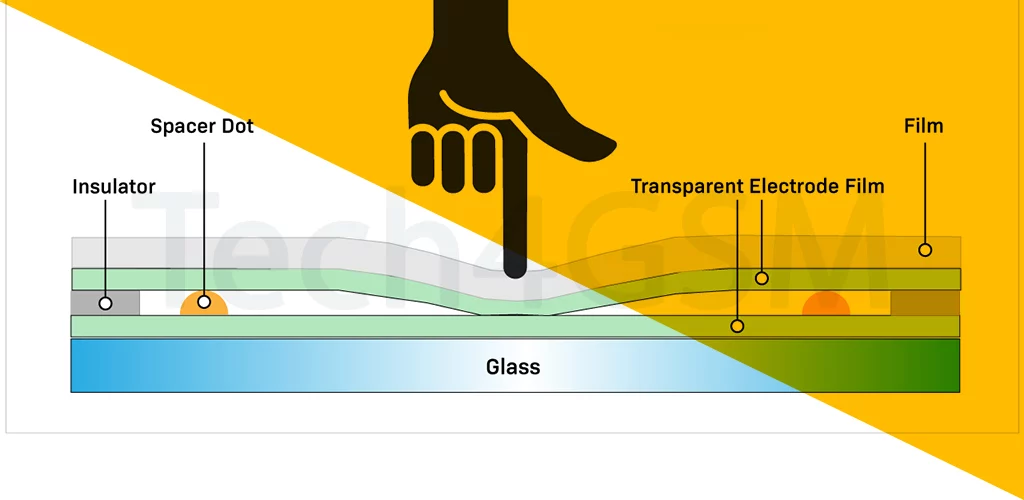
Unlike modern smartphones that use your finger’s electrical charge (capacitive screens), resistive touchscreens rely on physical pressure. Here’s the magic:
- Two Transparent Layers: The screen has two thin, flexible layers coated with a conductive material (usually indium tin oxide). These layers are separated by a tiny gap.
- Press to Connect: When you press the screen (with a finger, stylus, or even a glove), the top layer bends and touches the bottom layer.
- Location Detection: This contact creates an electrical current change, which sensors use to pinpoint exactly where you pressed.
Why Resistive Screens Stand Out: 4 Key Advantages
- Works with Anything: Use a finger, stylus, pen, or glove—no special tools needed!
- Durable & Affordable: These screens are cheaper to make and can handle rough environments (think dusty factories or outdoor kiosks).
- High Accuracy: Perfect for tasks needing precision, like signing documents or tapping small buttons.
- Easy to Repair: Got a scratched screen? Unlike complex capacitive displays, resistive layers are simpler to fix. (Need repairs? Check out tech4gsm.com for reliable services!)
Where You’ll Find Resistive Touchscreens
- ATMs & Payment Terminals: Durable enough for public use.
- Medical Devices: Glove-friendly for hygienic environments.
- Industrial Controls: Resists dust, water, and heavy use.
- Older Gadgets: Early smartphones, PDAs, and handheld GPS devices.
Limitations to Know
- No Multi-Touch: Resistive screens can’t handle pinch-to-zoom or multi-finger gestures.
- Less Crisp Display: The extra layers can slightly reduce screen clarity.
- Requires Firm Press: Lighter taps won’t register—think “press, don’t graze.”
Final Takeaway: Resistive touchscreens might not be in your latest smartphone, but their simplicity, durability, and low cost keep them relevant in many industries. Next time you tap an ATM or sign a digital pad, you’ll know the tech behind it! 🔍💡