Introduction
Remember the days when sending a photo via text took forever? Then came WCDMA—the 3G tech that turbocharged mobile data, letting us browse, call, and stream (sort of!) in the early 2000s. Let’s decode what WCDMA is, why it mattered, and how it quietly shaped today’s mobile networks.
What is WCDMA?
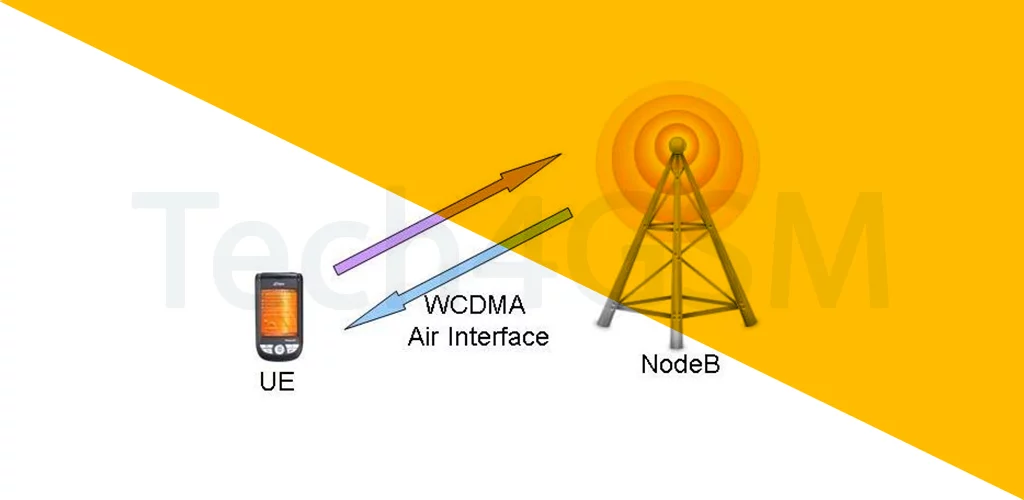
WCDMA (Wideband Code Division Multiple Access) is a 3G wireless standard that revolutionized mobile connectivity by allowing:
- Voice calls and data transfers (like internet browsing) at the same time.
- Faster speeds: Up to 384 Kbps (enough for pixelated YouTube videos back then!).
- Global roaming: Compatible networks worldwide (if your phone supported the right bands!).
Fun Fact: WCDMA is also called UMTS (Universal Mobile Telecommunications System). Think of them as twins with different names!
How WCDMA Works
Imagine a highway where cars (data) and bikes (voice) share lanes without crashing. WCDMA uses:
- Wideband Signals: Spreads data over a broader frequency to reduce interference.
- Code Division: Assigns unique codes to users so multiple devices can share the network.
- GSM Roots: Built on 2G GSM tech, making upgrades smoother for carriers.
Result: Less dropped calls and better data than old 2G networks!
WCDMA Frequency Bands: Why Your Phone Might Not Work Abroad
WCDMA operates on different frequencies globally:
| Region | Frequency Bands |
|---|---|
| Europe & Asia | 2100 MHz |
| North America | 1900 MHz & 850 MHz |
Gotcha: If your phone doesn’t support a region’s band, you’ll be stuck with “No Service”! Always check specs before traveling.
WCDMA vs. GSM: The Family Tree
| Feature | WCDMA (3G) | GSM (2G) |
|---|---|---|
| Speed | Up to 384 Kbps | Up to 14.4 Kbps |
| Technology | CDMA-based | TDMA-based |
| Data & Voice | Simultaneous | One at a time |
| Backward Compatibility | Works with GSM networks | Standalone |
Key Takeaway: WCDMA was the bridge between 2G calls and modern 4G streaming!
Why WCDMA Was a Big Deal
- First Taste of Mobile Internet: Basic web browsing, emails, and very slow video calls.
- Better Call Quality: Fewer drops thanks to robust signal handling.
- Global Standard: Paved the way for international roaming (with the right phone!).
WCDMA’s Limitations
- Speed Cap: 384 Kbps feels painful today (a 3MB song took ~1 minute!).
- Battery Drain: Early 3G phones died faster than TikTok trends.
- Coverage Gaps: Rural areas often stuck with 2G.
WCDMA Today: Still Kicking (But Barely)
While 4G and 5G dominate, WCDMA isn’t dead yet:
- Backup Networks: Some carriers use it for voice calls where 4G coverage is weak.
- Legacy Devices: Older phones, IoT gadgets, or emergency systems still rely on 3G.
Warning: Many carriers are phasing out WCDMA to repurpose frequencies for 5G.
How to Check if Your Phone Supports WCDMA
- Look for Bands: Ensure it matches your region’s frequencies (e.g., 2100 MHz in Europe).
- Carrier Compatibility: Confirm with your provider if they still support 3G.
Pro Tip: Unlocked phones often support more bands—perfect for travelers!
The Future of WCDMA
- Phase-Out Mode: Most countries will sunset 3G by 2025.
- VoLTE Takeover: Voice calls now use 4G networks (crisper quality!).
- Niche Uses: Remain in remote areas or for specific industrial devices.
Wrapping Up
WCDMA was the unsung hero of early mobile internet—a stepping stone to today’s streaming, scrolling, and snapping. While fading into history, its legacy lives on in every 4G call and 5G download. Got an old 3G phone? Treasure it as a relic of the “buffering…” era!