Introduction
When it comes to enjoying music, making calls, or even recording audio, the audio jack plays a crucial role. This small but powerful connector is found on almost every electronic device, from smartphones to laptops and music players. Let’s dive into what makes the audio jack so important and how it works in everyday life.
What is an Audio Jack?
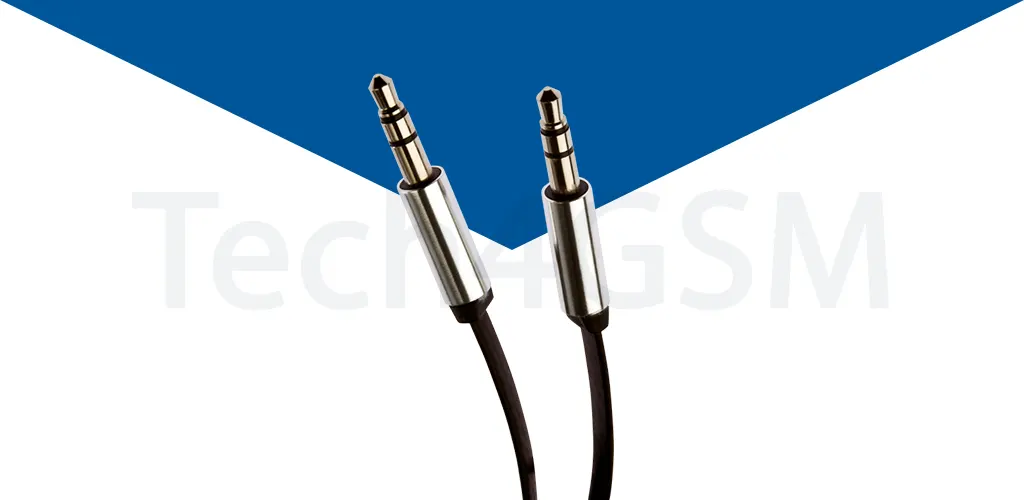
The audio jack is a common connector used to plug in standard headphones or earphones. You’ve probably seen it on your phone, computer, or music player. It’s the small port where you insert your headphones to listen to music, watch videos, or take calls.
- Versatile and Universal: The audio jack is a universal standard, meaning it works across a wide range of devices. Whether you’re using an iPhone, an Android phone, or a laptop, the audio jack ensures compatibility.
- Supports Stereo and Microphone: Depending on the number of rings on the jack, it can support stereo sound (left and right audio channels) and even a microphone. For example, a 3-ring jack (TRRS) is commonly used for headphones with a built-in mic, perfect for hands-free calls.
Different Sizes of Audio Jacks
While the 3.5mm audio jack is the most common, there are other sizes too.
- 3.5mm Jack: This is the standard size found on most devices, including smartphones, laptops, and music players. It’s widely used because of its balance between size and functionality.
- 2.5mm Jack: Some older or specialized devices, like certain phones or audio equipment, use a smaller 2.5mm jack. It works on the same principle but is less common today.
Why Do Some Phones Use a Remote Control with an Audio Jack?
Have you noticed that some headphones come with a remote control or microphone along the cable? This is especially common with headphones supplied with mobile phones.
- Convenience: The remote control allows you to manage calls, adjust volume, or play/pause music without touching your phone.
- Space-Saving Design: Some manufacturers place the 3.5mm audio jack on the remote control instead of directly on the phone. This saves internal space in the phone, which is especially important for slim and compact designs.
- Third-Party Headphone Compatibility: By placing the jack on the remote, users can still enjoy the mic and remote functionality even when using third-party headphones.
Why is the Audio Jack Still Relevant?
Despite the rise of wireless headphones and Bluetooth technology, the audio jack remains popular for several reasons:
- No Charging Needed: Unlike wireless headphones, wired headphones with an audio jack don’t require charging. You can use them anytime, anywhere.
- High-Quality Audio: Wired connections often provide better sound quality compared to wireless options, especially for audiophiles.
- Affordability: Wired headphones are generally more affordable than their wireless counterparts.
Conclusion
The audio jack may seem like a small and simple component, but it’s an essential part of our daily tech experience. Whether you’re listening to music, taking calls, or recording audio, this tiny connector ensures seamless connectivity.
By understanding the importance of the audio jack, you can make better choices when it comes to your audio devices. Whether you prefer wired or wireless, the audio jack continues to play a vital role in our connected world.