Introduction
In 2025, the Border Gateway Protocol (BGP) remains the backbone of internet routing. Think of BGP as the postal service of the web—it efficiently directs data packets between networks, ensuring they reach the right destination. Let’s break down BGP’s role, features, and importance in easy language!
What is BGP?
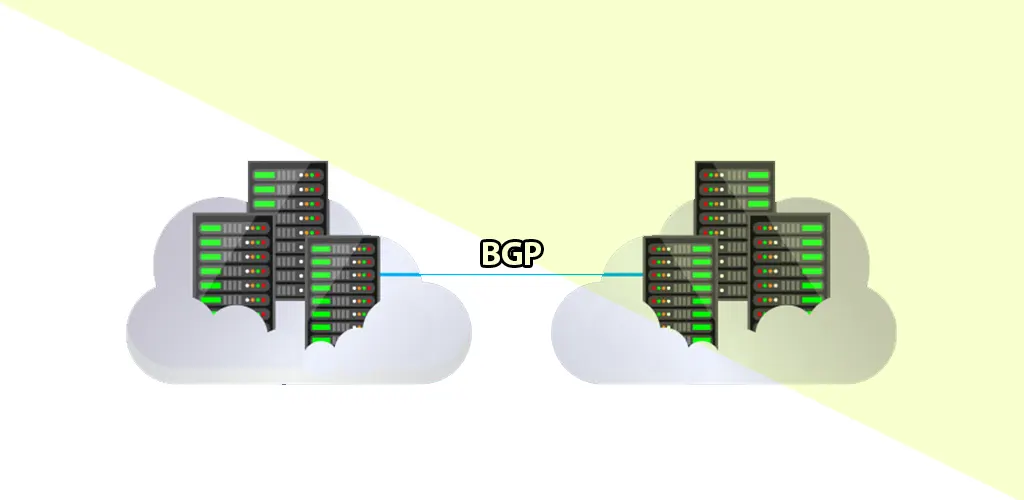
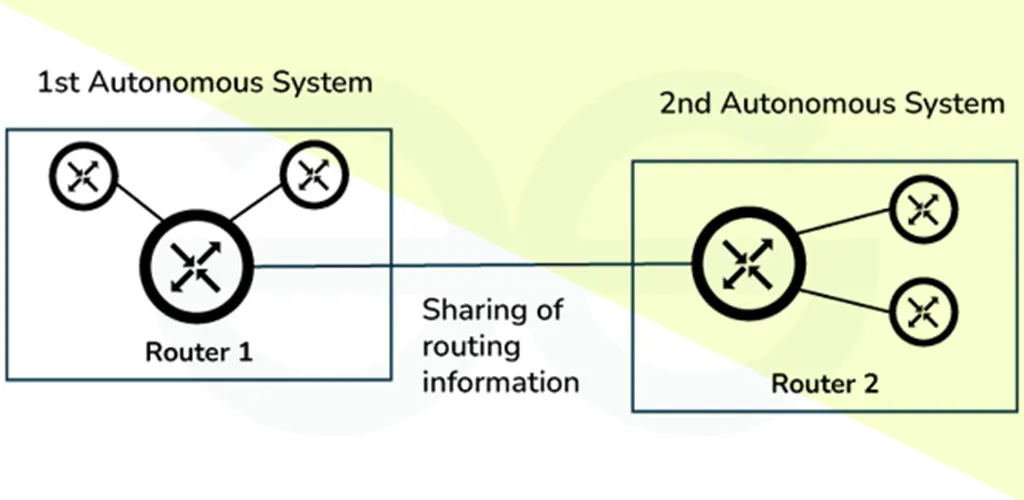
BGP connects large networks, called Autonomous Systems (AS), across the internet. Each AS (like your ISP or big tech companies) uses BGP routers to share “path” information, helping data find the best route.
Key Requirement:
- Every AS must have at least one BGP router connected to another AS.
Top 5 Characteristics of BGP
- Inter-AS Communication: Links different autonomous systems (e.g., your ISP to Google’s network).
- Next-Hop Support: Guides data to the next router in the path.
- Path & Policy Control: Shares route details (like AS paths) and lets admins set rules (e.g., prioritize internal routes).
- TCP Reliability: Uses TCP for stable, error-free connections.
- Efficiency: Saves bandwidth by sending only updates, not full routing tables.
How BGP Works: 3 Core Functions
- Peer Setup: Establishes secure TCP connections between routers.
- Route Updates: Shares “reachability” info (e.g., “Network X is down”).
- Connection Checks: Regularly verifies if peers are active.
Why BGP Matters in 2025
- Security: Uses authentication to block unauthorized traffic.
- Scalability: Handles millions of global routes.
- Multihoming: Lets organizations connect to multiple ISPs for backup.
- Best Path Selection: Picks the fastest, least congested routes.
- Supports Modern Tech: Works with CIDR and IPv6.
Types of BGP
- eBGP (External BGP): Connects different AS (e.g., ISP to cloud provider).
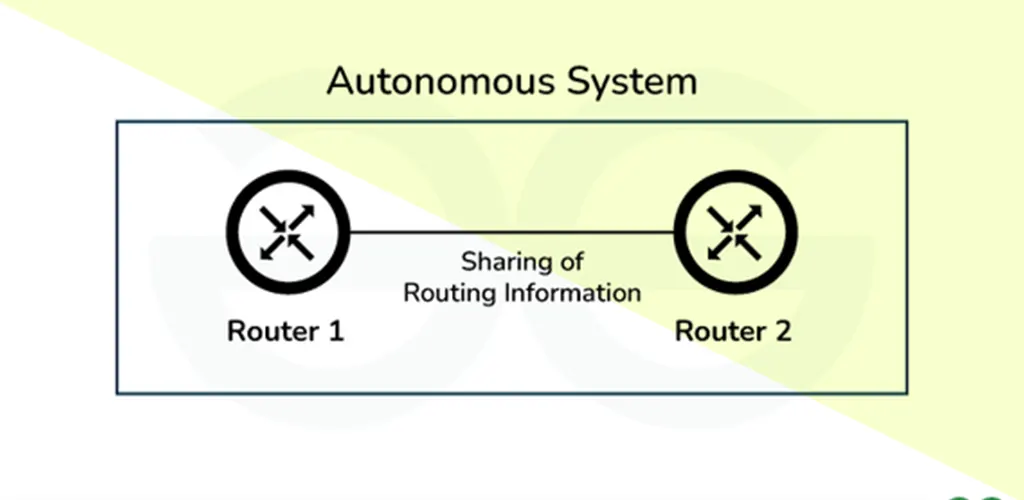
- iBGP (Internal BGP): Routes traffic within the same AS (e.g., between a company’s data centers).
BGP Path Selection: Key Elements
 Path Selection: Key Elements
- Weight: Cisco-specific metric to prefer certain paths.
- Local Preference: Chooses outbound paths (higher = better).
- AS Path Length: Shorter paths win.
- Next Hop: Directs data to the next router’s IP.
BGP vs. OSPF: Quick Comparison
| BGP | OSPF |
|---|---|
| Path Vector Algorithm | Link-State Algorithm |
| Slow Convergence | Fast Convergence |
| Connects AS (Inter-domain) | Routes within AS (Intra-domain) |
| Uses TCP | Uses IP |
FAQs
Q: What is an Autonomous System (AS)?
A: A large network (like an ISP) with its own routing policies.
Q: What are BGP attributes?
A: Metadata like AS path, next-hop IP, and origin—used to pick the best routes.
Q: What is BGP peering?
A: Direct connections between networks (e.g., via fiber) for faster data exchange.
Q: How does BGP handle security?
A: Uses password-based authentication and route filtering.
Final Takeaway
BGP is the silent hero keeping the internet connected. From enabling seamless streaming to securing global data flow, it’s a protocol you can’t ignore.