Introduction
Ever tried snapping a close-up photo with an old phone or a budget camera, only to get a blurry mess? That’s the work of a fixed focus camera—a simple yet limited technology. Let’s break down how it works, its pros and cons, and why your basic phone struggles with sharp selfies!
What is a Fixed Focus Camera?
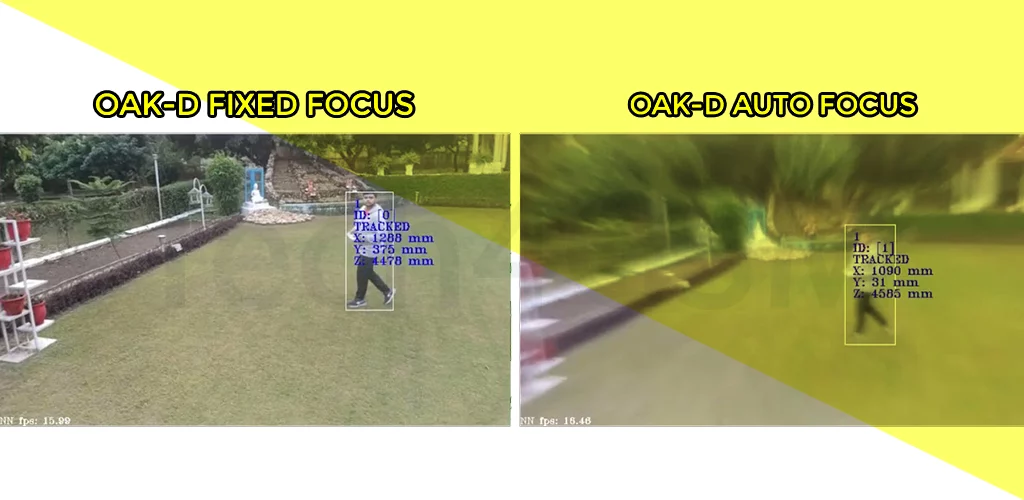
A fixed focus camera is like a “set-it-and-forget-it” device. The manufacturer pre-sets the lens to focus at a specific distance (e.g., 2 meters away). Unlike modern autofocus systems, you can’t adjust the focus manually or automatically. This means everything in the camera’s “sweet spot” range stays sharp, but anything too close or too far loses clarity.
How Does Fixed Focus Work?
Fixed focus cameras rely on two clever tricks:
- Tiny Lens: The lens is small, which naturally increases the “depth of field” (the range where objects appear in focus).
- Small Aperture: A narrow aperture (like squinting your eyes) helps keep most scenes in focus, whether the subject is 1 meter or 5 meters away.
But here’s the catch: No Close-Ups Allowed!
Since the focus is fixed, these cameras have a “minimum shooting distance” (usually 1-2 meters). Try moving closer, and your photo turns fuzzy.
5 Key Limitations of Fixed Focus Cameras
- No Close-Ups or Macro Shots: Forget snapping detailed flower petals or food pics.
- Blurry Edges: Objects too close or too far lose sharpness.
- Low-Light Struggles: Small apertures limit light intake, leading to grainy photos in dim settings.
- Fixed Range: The camera works best only in its pre-set “ideal” distance.
- Basic Image Quality: Lack of focus adjustment means less detail and dynamic range.
Why Do Basic Phones Still Use Fixed Focus?
Most entry-level phones or older devices (like the iconic Nokia 3310) use fixed focus cameras because:
- Cheap to Make: No need for expensive autofocus motors or sensors.
- Battery-Friendly: Fixed systems consume less power.
- Durable: Fewer moving parts = fewer chances of damage.
For casual users who just need quick snaps (not Instagram-worthy shots), fixed focus gets the job done.
Fixed Focus vs. Autofocus: What’s Better?
| Fixed Focus | Autofocus |
|---|---|
| No focus adjustments | Adjusts focus automatically |
| Struggles with close-ups | Handles macros and portraits |
| Budget-friendly | More expensive |
| Simple design | Complex mechanics |
For example, modern smartphones like iPhones or Samsung Galaxy devices use autofocus for crisp, versatile photos. But if you’ve ever used a basic mobile phone, you’ve seen fixed focus in action!
When is Fixed Focus Good Enough?
Fixed focus isn’t all bad! It shines in:
- Daylight Photography: Bright settings minimize blur.
- Quick Snapshots: Capturing moments without fuss.
- Budget Devices: Keeping costs low for entry-level gadgets.
The Bottom Line
Fixed focus cameras are a relic of simpler tech times. While they limit creativity and quality, they’re a smart choice for affordability and ease. Want artsy close-ups or night photos? Upgrade to autofocus! But for basic needs, fixed focus still holds its ground.