Introduction
Today’s smartphones are more than just communication tools—they’re our go-to cameras. Why? Because they’re always in our pockets, ready to capture life’s moments. Let’s break down what makes your phone’s camera tick, in simple, easy-to-understand terms.
1. The Basics: How Smartphone Cameras Work
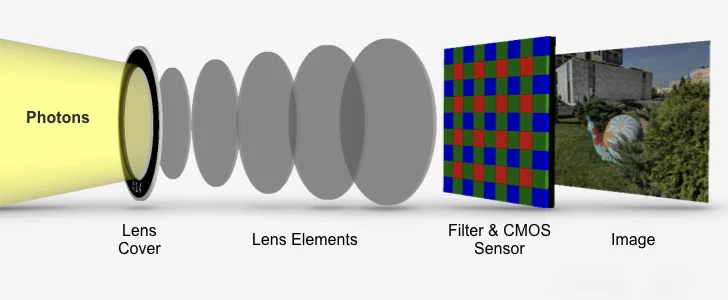
At its core, smartphone photography is about capturing light (photons) and turning it into digital images (electrons). The better your phone’s hardware and software, the sharper and more vibrant your photos will be.
2. The Secret Sauce: Image Signal Processor (ISP)
The ISP is a tiny chip inside your phone’s processor that works like a photo-editing wizard. It handles tasks like:
- Face detection (perfect for selfies!)
- Panoramic stitching (for sweeping landscapes)
- Filters and object recognition
- Geo-tagging photos (using GPS to remember where you took them)
3. Megapixels: Quality Over Quantity
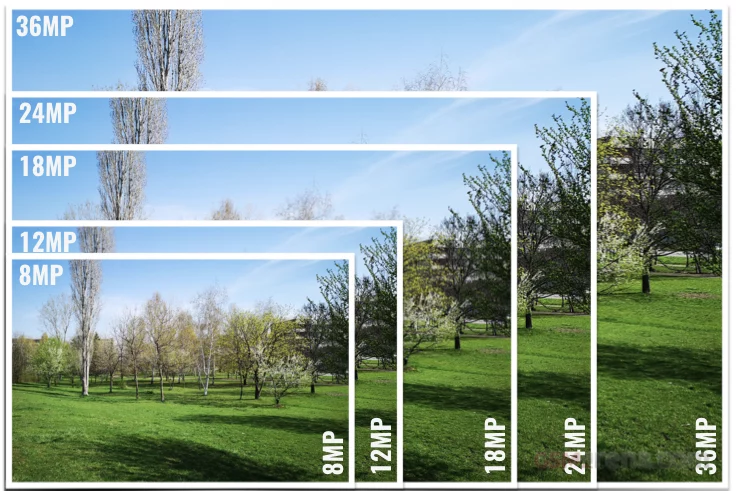
- Megapixels (MP) measure image resolution. More MP ≠ better photos!
- Modern phones focus on larger pixels in sensors to capture more light (e.g., 40MP vs 12MP).
- Higher MP helps with cropping and printing posters without losing detail.
Fun Fact: A 4K TV has 8.3MP, while an HD TV has just 2.1MP!
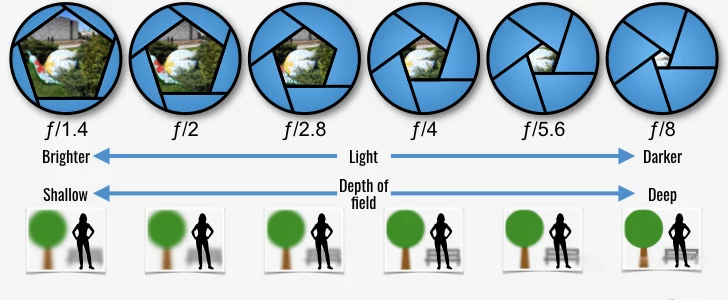
4. Aperture: The Light Gatekeeper
- Aperture (f-stop) decides how much light enters the lens.
- Lower f-stop (e.g., f/1.8) = more light = better low-light shots.
- Higher f-stop (e.g., f/2.4) = less light but sharper focus on distant objects.

5. Stabilization: Say Goodbye to Blurry Shots
- Optical Image Stabilization (OIS): Uses tiny motors to physically steady the lens.
- Electronic Image Stabilization (EIS): Software magic to reduce shake.
Pro Tip: Phones with OIS (like the Huawei P20 Pro) deliver smoother videos and clearer photos.
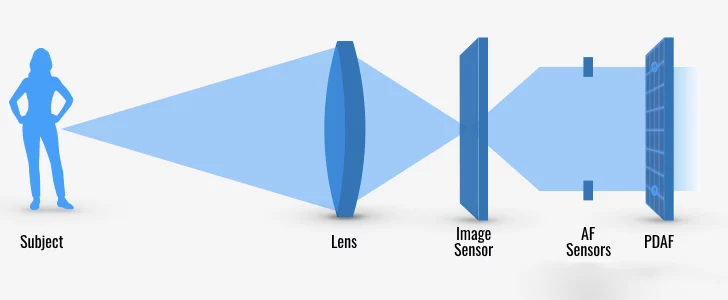
6. Autofocus: Fast and Sharp
- Phase Detection (PDAF): Mimics human eyes for quick, accurate focusing.
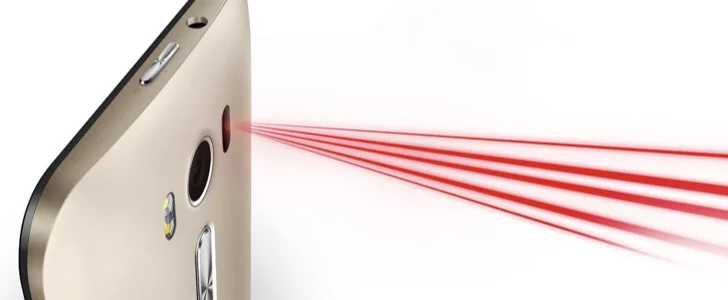
- Laser Autofocus: Measures distance with a laser—great for low-light close-ups.
7. Flash: More Than Just a Light
- LED Flash: Common but can make photos look “cool” or blue-toned.
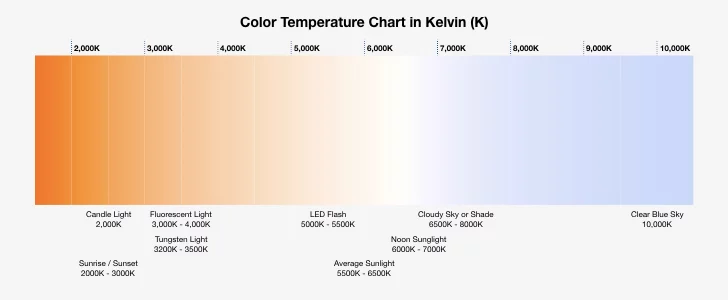
- Dual-LED Flash: Combines warm and cool lights for natural skin tones.
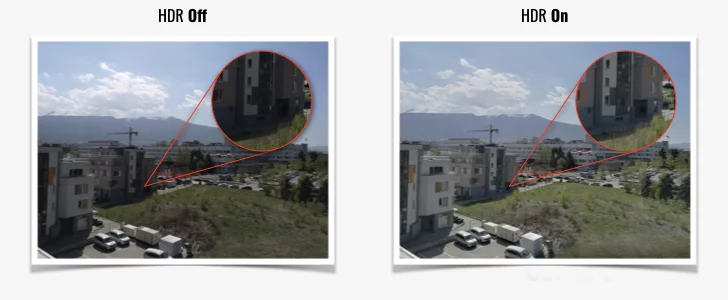
8. HDR: Balancing Light and Shadows
- High Dynamic Range (HDR) takes three shots at different exposures and blends them.
- Perfect for sunlit landscapes or backlit portraits.

9. Panoramic Mode: Stitching the World
- Your phone takes overlapping shots and uses AI to stitch them seamlessly.
- Gyroscopes and sensors ensure colors and exposure stay consistent.
10. Video: From HD to Slow-Mo
- Most phones shoot 4K at 60fps and slow-mo at 960fps.
- Storage Tip: Use cloud services (Google Photos, iCloud) to save space.
11. Multiple Cameras: Versatility Unleashed
- Triple/Quad Cameras combine lenses for wide-angle, zoom, and depth effects.
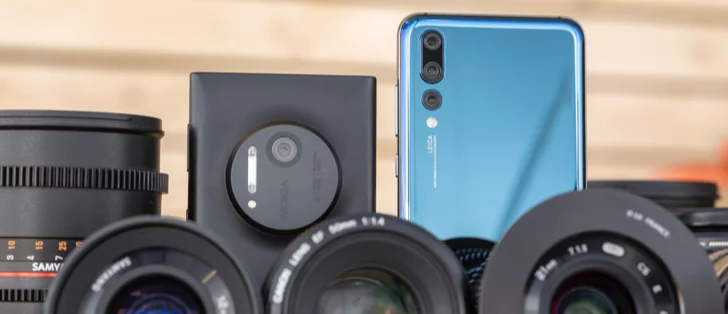
- Example: Huawei P20 Pro’s 40MP + 20MP + 8MP setup offers 3x optical zoom.
Final Thoughts
Your smartphone camera is a marvel of tech—packed with AI, sensors, and software to rival dedicated cameras. Whether you’re snapping selfies or filming slow-mo, understanding these features helps you shoot like a pro.