Introduction
Imagine sending a big, heavy box through the post office. Instead of shipping it all at once, you break it into smaller, labeled packages. This way, the delivery becomes faster, cheaper, and more efficient. Packet data works exactly like this for the internet!
How Does Packet Data Work?
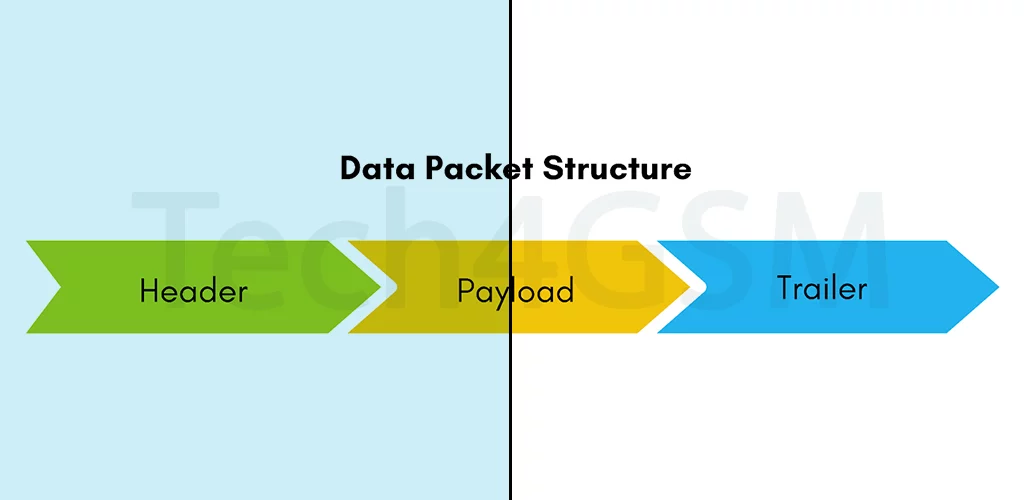
- Data is split into tiny pieces called “packets” – like digital puzzle pieces.
- These packets travel separately across networks, using the quickest available paths.
- Your device consumes network resources only when sending/receiving data – saving bandwidth and battery life.
- Once packets reach their destination, they’re reassembled into the original file, message, or video.
This “on-demand” system ensures you don’t hog the network when idle. Think of it as paying for exactly what you use!
Why Do Mobile Phones Rely on Packet Data?
From streaming cat videos to sending emails, your phone needs internet access for almost everything. Packet data makes this possible efficiently:
- Streaming music/videos: Packets load content bit by bit, reducing buffering.
- Web browsing: Websites load faster as text, images, and ads arrive in chunks.
- Online gaming: Real-time updates keep the game smooth without lag.
Without packet data, your phone would drain battery faster, and networks would get overloaded.
Which Technologies Use Packet Data?
Most wireless technologies adopted by telecom operators depend on packet data. Key examples include:
- GPRS (2.5G): The earliest packet-based tech for basic web browsing.
- EDGE (2.75G): Faster than GPRS, ideal for emails and light apps.
- UMTS (3G): Boosted speeds for video calls and social media.
Fun fact: WAP (Wireless Application Protocol), an older tech, doesn’t use packet data. Instead, it relies on slower, circuit-switched networks – like a dedicated phone line that’s always “busy.”
Why Should You Care About Packet Data?
- Cost-effective: Pay only for the data you transfer, not idle time.
- Faster speeds: Packets take the quickest route, avoiding traffic jams.
- Better network reliability: If one packet fails, others keep the connection alive.
Final Thoughts
Packet data is the invisible hero behind your seamless mobile internet experience. Whether you’re binge-watching shows or scrolling Instagram, this smart system ensures efficiency and speed. Next time your video loads instantly, remember – it’s all thanks to those tiny, hardworking packets!