Introduction
Imagine watching a video on your phone where every face looks like a blurry potato. Welcome to the world of Sub-QCIF—the smallest standard video format that powered early mobile clips! Let’s explore this pixel-packed relic, why it mattered, and how it paved the way for today’s HD streams.
What is Sub-QCIF?
Sub-QCIF (Sub-Quarter Common Intermediate Format) is a video resolution of 128 pixels wide x 96 pixels tall (128×96). That’s just 12,288 pixels total—smaller than a postage stamp! It was used for:
- Low-quality video calls (think pixelated faces).
- MMS video messages (sent via ancient text networks).
- Basic mobile streaming (when “buffering” was a lifestyle).
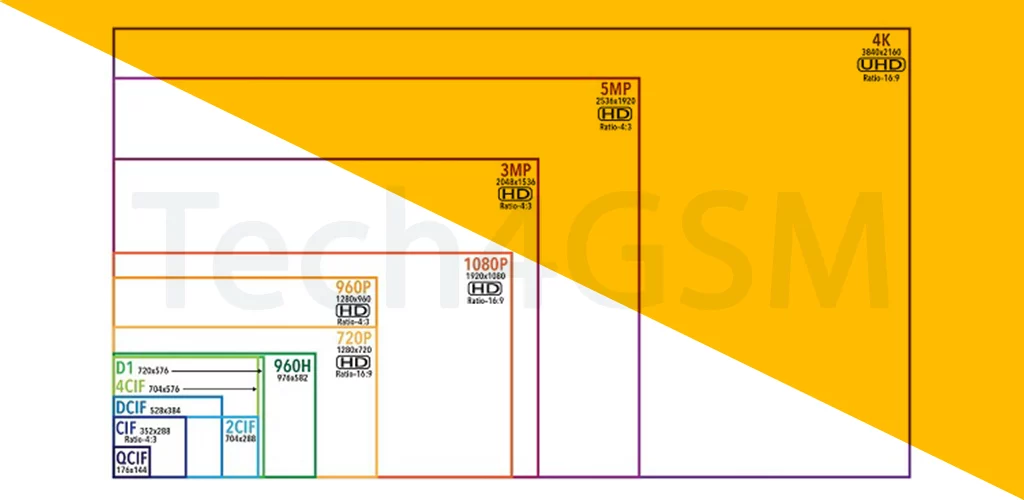
Sub-QCIF vs. Other Formats: Size Matters!
| Format | Resolution | Pixels | Use Case |
|---|---|---|---|
| Sub-QCIF | 128×96 | 12,288 | Early mobile videos |
| QCIF | 176×144 | 25,344 | Slightly clearer clips |
| CIF | 352×288 | 101,376 | Pre-HD video calls |
Fun Fact: A single modern 4K frame has over 8 million pixels—Sub-QCIF looks like a speck in comparison!
Why Sub-QCIF Was a Big Deal
- Tiny File Sizes: Perfect for slow 2G networks and limited phone storage.
- Battery-Friendly: Less data = less power needed to process videos.
- Universal Standard: Worked across devices, from Nokia bricks to early flip phones.
Where You’ve Seen Sub-QCIF
- 2000s Video Calls: Blurry but magical video chats on 3G phones.
- MMS Clips: Sending 10-second birthday greetings via text.
- Security Cameras: Some old systems still use it for low-bandwidth monitoring.
Pro Tip: Check device specs on tech4gsm.com to see if your gadget supports Sub-QCIF!
Why Sub-QCIF Faded Away
- Better Networks: 4G/5G handle HD videos effortlessly.
- Bigger Screens: Sub-QCIF looks awful on modern smartphones.
- Storage Boom: Phones now have GBs of space—no need to shrink videos.
Sub-QCIF’s Legacy
- Compression Lessons: Taught engineers to balance quality vs. file size.
- IoT Niche: Still used in devices where bandwidth is scarce (e.g., sensors).
- Retro Appeal: Tech lovers emulate Sub-QCIF for vintage vibes.
How to Spot Sub-QCIF Today
- Old Devices: Dig out that Motorola RAZR or Sony Ericsson T68i.
- Legacy Systems: Parking lot cameras or industrial monitors.
- Emulators: Relive pixelated gaming streams on retro tech.
Wrapping Up
Sub-QCIF was the unsung hero of early mobile video—a tiny solution for a low-tech era. While it’s now a footnote in HD history, its DNA lives on in every video compression trick we use today. Next time you stream in 4K, spare a thought for the 128×96 pixels that started it all!