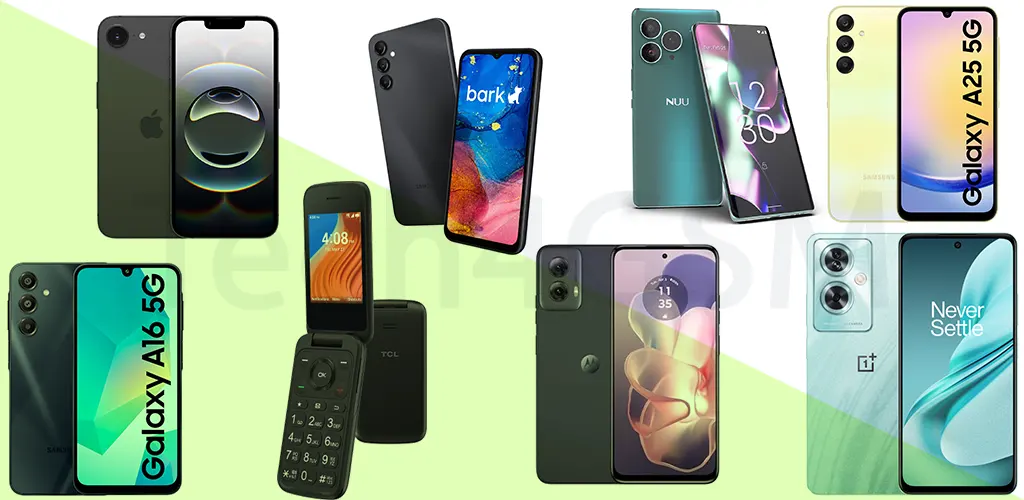
The Best Cheap Phones for 2025
In an era where flagship phones often exceed $1,000, finding a reliable device under $300 feels like a victory. Thankfully, 2025 brings a wave of budget-friendly smartphones that deliver impressive performance without draining your wallet. Tech4GSM, with decades of expertise in mobile tech, has curated this list of top picks—combining value, durability, and modern features. Let’s dive into the best options and key buying tips.
Key Features to Consider
1. Battery Life: Power That Lasts
Aim for a minimum of 4,500mAh for phones with large screens (6+ inches) and 3,800mAh for smaller devices. Phones like the Motorola Moto G Power 2025 excel here, offering 2-day battery life.
2. Chipset: Speed Matters
Look for Qualcomm’s Snapdragon 4 Gen 3 or MediaTek’s Dimensity 6100+ chips. These processors handle multitasking smoothly, outperforming older models by 20-30%.
3. 5G Compatibility: Future-Proof Your Purchase
While LTE remains viable, 5G ensures faster speeds. Verify carrier band support (e.g., AT&T’s bands 2, 5, 12) using the model number, not the phone’s marketing name.
4. Storage & RAM: More Is Better
Choose 64GB+ storage and 4GB+ RAM for under $200. For under $300, aim for 128GB+ and 6GB RAM. Expandable microSD slots add flexibility.
5. Software: Stay Updated
Ensure the phone runs at least Android 14 or iOS 18. Avoid models stuck on older OS versions, as security updates are critical.
6. Durability: Extra Protection
IP55 or IP67 ratings (e.g., TCL 30 XE 5G) guard against dust and splashes. Gorilla Glass 5 screens resist cracks better than older versions.
7. Camera Quality: Focus on the Basics
Prioritize phones with a solid primary lens (e.g., 50MP). Skip macro lenses—they’re often gimmicky.
Top Picks for 2025
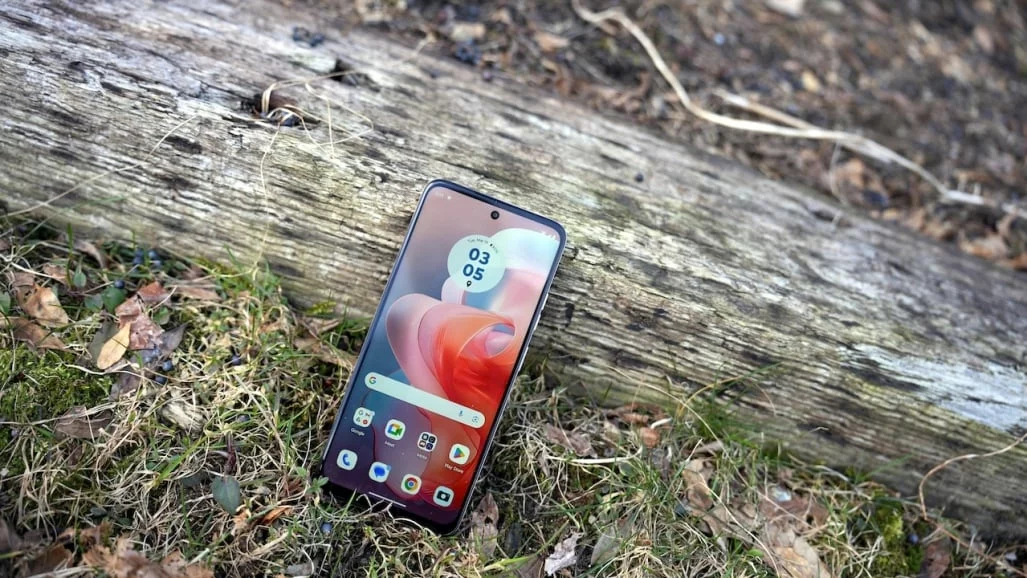
1. Motorola Moto G Power 5G (2024)
Overview
Priced at $299, the Motorola Moto G Power 5G (2025) delivers standout battery life and wireless charging in a budget-friendly package. While its cameras and bloatware disappoint, its performance and 5G support make it a top contender. Tech4GSM awards it Editors’ Choice for under-$300 phones, dethroning rivals like the OnePlus Nord N30.
Key Specs
- Price: $299
- OS: Android 15 (upgradable)
- Chipset: MediaTek Dimensity 7020
- Battery: 5,000mAh (12+ hours video playback)
- Charging: 30W wired, 15W wireless
- Screen: 6.7-inch FHD+ (120Hz refresh rate)
- Storage: 128GB + microSD (up to 1TB)
Pros & Cons
✅ Pros:
- All-day battery life
- Smooth 120Hz display
- Wireless charging (rare under $300)
- Strong 5G/Wi-Fi 6 performance
❌ Cons:
- Mediocre low-light cameras
- Back panel attracts dust/pet hair
- Preinstalled bloatware
Design: Big Screen, Dust-Magnet Back
The Moto G Power 5G sports a 6.7-inch FHD+ display with vibrant colors and a peak brightness of 500 nits. While not as bright as the OnePlus Nord N30 (680 nits), it handles sunlight well. The vegan leather back in Midnight Blue or Pale Lilac looks premium but clings to dust and pet hair. A textured finish improves grip, and the raised camera module adds flair.
Notable Features:
- 3.5mm headphone jack
- IP52-like spill resistance (unofficial)
- Side-mounted fingerprint scanner
Performance: Speedier Than Expected
Powered by the MediaTek Dimensity 7020, this phone handles multitasking and casual gaming smoothly. In benchmarks:
- Geekbench 6: 889 (single-core), 2,345 (multi-core)
- Outpaces the Snapdragon 695 (OnePlus Nord N30) by ~15%
Gaming:
- Runs Genshin Impact at medium settings (minor stuttering)
- Ideal for lighter games like Alto’s Odyssey
- Competitors like the Nuu B30 Pro 5G offer better gaming specs at the same price.
Battery & Charging: King of Endurance
The 5,000mAh battery lasts 12+ hours of video playback, beating the Nord N30 (11h 18m). While charging speeds lag behind OnePlus’s 50W tech, it supports 15W wireless charging—a rarity under $300.
Charging Times:
- 0-100% via wired: ~2 hours
- Nord N30: 55 minutes (wired only)
Cameras: Basic Shots Only
The 50MP main sensor captures decent daytime photos, but struggles in low light. The 8MP ultra-wide lens is usable, while the 2MP macro sensor is forgettable.
Camera Verdict:
- Good for: Social media, casual snaps
- Avoid for: Night photography, detailed zoom
Connectivity & Audio
- 5G Speeds: 136Mbps down / 57.2Mbps up (tested on Google Fi)
- Wi-Fi 6: Stable speeds even at range (25.9Mbps down at edge of router)
- Audio: Loud stereo speakers with Dolby Atmos; 3.5mm jack for wired headphones
Software & Bloatware
Runs Android 15 with a clean UI, but preinstalled apps like Facebook and LinkedIn can’t be uninstalled. Motorola promises 2 OS updates, ensuring support until 2027.
Tech4GSM Verdict
The Moto G Power 5G (2025) is ideal for users prioritizing battery life and wireless charging on a budget. While its cameras and dusty back panel disappoint, its performance and 5G support shine.
Alternatives:
- OnePlus Nord N30 5G ($299): Faster charging, better cameras
- Samsung Galaxy A16 5G ($249): Longer software support, AMOLED screen
- iPhone 16e ($599): iOS simplicity, flagship-tier updates
Final Score: 4.2/5
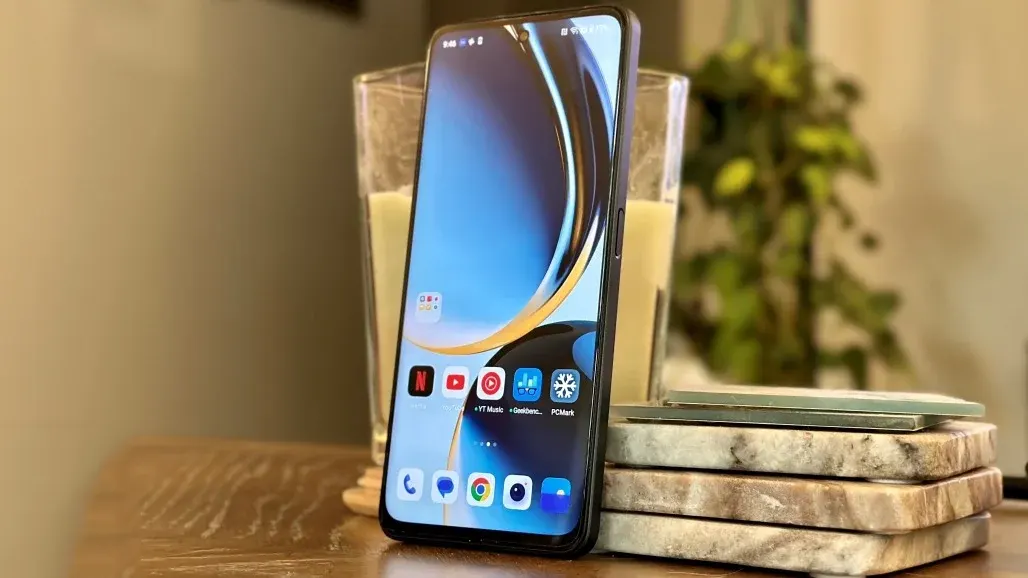
2. OnePlus Nord N30 5G
Overview
Priced at $299, the OnePlus Nord N30 5G (2025) combines a 108MP camera, 120Hz display, and blazing-fast 50W charging in a sleek package. While its battery life and software updates lag behind rivals, it’s a top pick for performance-focused buyers. Tech4GSM crowns it Editors’ Choice for under-$300 phones, edging out the Moto G Power 5G.
Key Specs
- Price: $299
- OS: Android 13 (upgradable to Android 14)
- Chipset: Snapdragon 695 5G
- Battery: 5,000mAh (11.5 hours video playback)
- Charging: 50W wired (no wireless)
- Screen: 6.72-inch FHD+ (120Hz refresh rate)
- Storage: 128GB + microSD slot
Pros & Cons
✅ Pros:
- 108MP main camera (sharp daytime shots)
- 50W super-fast charging
- Smooth 120Hz LCD display
- Clean OxygenOS software
❌ Cons:
- Middling battery life
- No IP water/dust rating
- Only 1 Android OS update
Design: Sleek but Slippery
The Nord N30 sports a 6.72-inch FHD+ LCD with a 120Hz refresh rate and 680 nits peak brightness—ideal for outdoor use. The glossy plastic back (Chromatic Gray) looks premium but attracts fingerprints. At 6.88 ounces, it’s lightweight and easy to handle.
Notable Features:
- 3.5mm headphone jack
- Side-mounted fingerprint scanner (slightly finicky)
- No IP rating (avoid water exposure)
Performance: Midrange Muscle
Powered by the Snapdragon 695, the Nord N30 handles daily tasks smoothly. Benchmark scores:
- Geekbench 5: 688 (single-core), 2,044 (multi-core)
- PCMark Work 3.0: 10,245 (outperforms Pixel 6a)
Gaming:
- Runs Genshin Impact on low settings (some frame drops)
- Ideal for casual games like Candy Crush or Among Us
Battery & Charging: Speed Over Stamina
The 5,000mAh battery lasts 11.5 hours of video playback—less than the Moto G Power (13.5h) but saved by 50W charging:
- 0-100% in 55 minutes (charger included)
- No wireless charging (unlike Moto G Power)
Cameras: 108MP Star, Weak Sidekicks
- 108MP Main Sensor: Captures crisp 12MP binned photos in daylight. Low-light shots are grainy.
- 2MP Macro/Depth Sensors: Mediocre quality; skip for close-ups.
- Selfie Camera: 16MP shooter works for video calls.
Video:
- 1080p at 30fps (no 4K)
- Outclassed by Pixel 6a’s 4K recording
Connectivity & Audio
- 5G Speeds: Up to 762Mbps down (T-Mobile’s network)
- Wi-Fi 5: Stable but outdated (competitors offer Wi-Fi 6)
- Audio: Loud 93.1dB speaker, decent for podcasts. Bluetooth 5.1 works fine for wireless earbuds.
Software: Clean but Short-Lived
Runs OxygenOS 13.1 (Android 13) with minimal bloatware. OnePlus promises:
- 1 OS update (Android 14)
- 3 years of security patches
For longer support, consider the Pixel 6a (3 OS updates).
Tech4GSM Verdict
The Nord N30 5G shines for its 108MP camera and 50W charging but falls short on battery life and updates. Perfect for users craving speed and style on a budget.
Alternatives:
- Moto G Power 5G ($299): Better battery, wireless charging
- Google Pixel 6a ($299): Superior cameras, 4K video
- Samsung Galaxy A16 5G ($249): AMOLED screen, longer updates
Final Score: 4.0/5
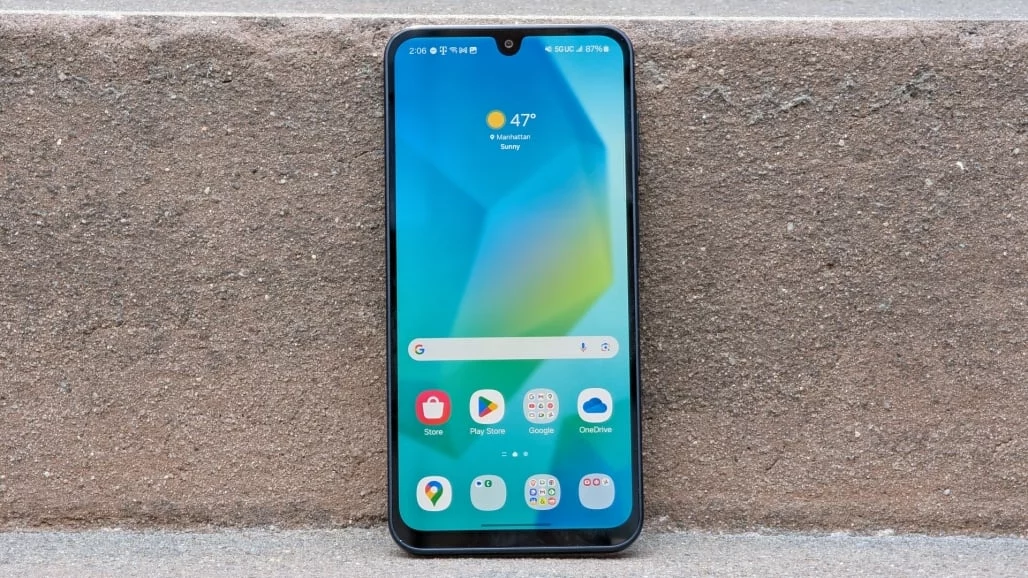
3. Samsung Galaxy A16 5G
Overview
Priced at $199, the Samsung Galaxy A16 5G (2025) redefines value with a vivid AMOLED display, 50MP camera, and six years of updates. While its plastic build and gaming limits reflect its price, its durability and performance make it Tech4GSM’s Editors’ Choice for budget buyers.
Key Specs
- Price: $199
- OS: Android 14 (upgradable to Android 20)
- Chipset: Exynos 1330
- Battery: 5,000mAh (13.5h video playback)
- Charging: 25W wired (no wireless)
- Screen: 6.7-inch FHD+ AMOLED (90Hz)
- Storage: 128GB + microSD (up to 1.5TB)
Pros & Cons
✅ Pros:
- 6-year software support (unmatched in budget tier)
- IP54 splash/dust resistance
- Crisp 50MP daytime photos
- Vibrant 90Hz AMOLED display
❌ Cons:
- Plastic build feels cheap
- Mediocre gaming performance
- No 4K video recording
Design: Durable but Bulky
The A16 sports a 6.7-inch frame with a Glastic back (plastic mimicking glass) and IP54 rating—rare under $200. At 7.06 ounces, it’s lightweight but large. The glossy finish attracts fingerprints, and the thick bezels look dated.
Notable Features:
- Side-mounted fingerprint sensor
- microSD slot (supports 1.5TB cards)
- No headphone jack (unlike older models)
Display: Bright AMOLED Delight
The 6.7-inch AMOLED screen boasts:
- 1080p resolution
- 90Hz refresh rate (smooth scrolling)
- 800 nits peak brightness (great for indoors)
While reflections hinder sunlight visibility, it outperforms rivals like the Moto G’s 720p LCD.
Performance: Handles Basics Smoothly
Powered by Samsung’s Exynos 1330, the A16 tackles daily tasks without lag. Benchmark scores:
- Geekbench 6: 883 (single-core), 2,020 (multi-core)
- PCMark Work 3.0: 11,589 (beats Moto G)
Gaming:
- Runs Genshin Impact on low settings (choppy at medium/high)
- Better suited for casual games like Candy Crush
Battery: All-Day Stamina
The 5,000mAh battery lasts 13h 46m of video playback—slightly less than the Moto G (15h 39m). Charges to 100% in 1h 35m with a 25W adapter (not included).
Connectivity: 5G and Wi-Fi 5
- 5G Speeds: Up to 157Mbps down (T-Mobile tested)
- Dual SIM: Physical + eSIM support
- Wi-Fi 5: Stable but outdated (no Wi-Fi 6)
Audio: Loud but Tinny
A single downward-firing speaker hits 99.1dB—enough to fill a room but lacks bass. Use Bluetooth headphones for better quality.
Cameras: Surprising Quality
- 50MP Main Sensor: Sharp, colorful daytime shots. Struggles in low light.
- 5MP Ultra-Wide: Decent for landscapes but grainy when zoomed.
- 2MP Macro: Captures textures but lacks detail.
- 13MP Selfie: Good for social media; aggressive portrait mode.
Video: 1080p at 30fps (no stabilization)—tripod recommended.
Software: Longevity Champion
Runs One UI 6.1 (Android 14) with:
- 6 years of OS/security updates (until 2031!)
- Features like split-screen apps and customizable widgets
No Galaxy AI, but updates ensure longevity.
Tech4GSM Verdict
The Galaxy A16 5G is the best sub-$200 phone for 2025, thanks to its AMOLED screen, IP54 rating, and unmatched 6-year support. Ideal for students, seniors, or backup devices.
Alternatives:
- Moto G 5G ($199): Longer battery, headphone jack
- Google Pixel 7a ($299): Flagship cameras, 4K video
- OnePlus Nord N30 ($299): 120Hz display, faster charging
Final Score: 4.5/5
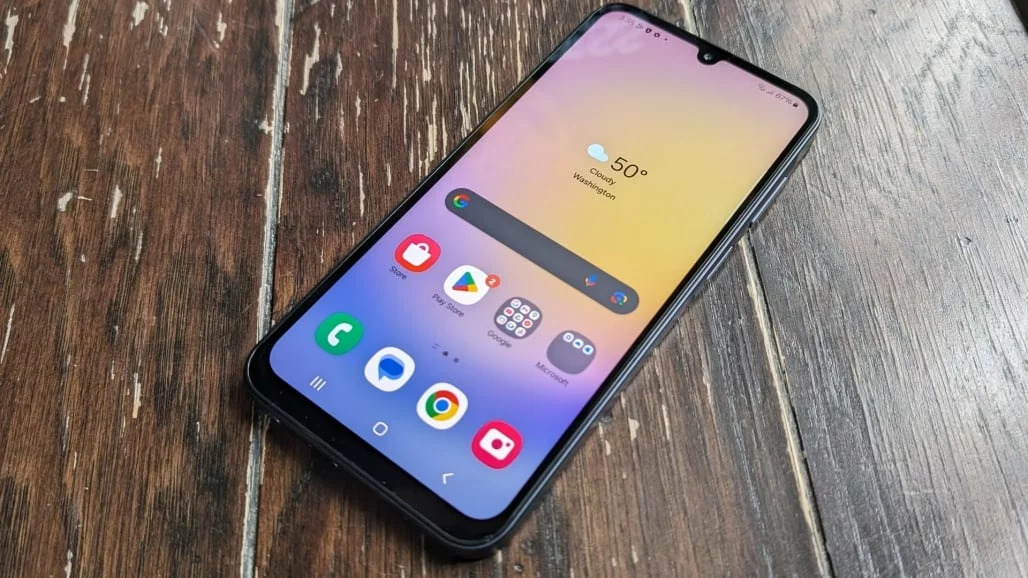
4. Samsung Galaxy A25 5G
Pros:
Affordable Price: Positioned as a budget-friendly option with premium features.
Vibrant OLED Display:
6.5-inch FHD+ AMOLED screen with 120Hz refresh rate.
Bright (1,000 nits peak) and color-accurate (Vivid/Natural modes).
Strong Performance:
Exynos 1280 chip handles everyday tasks smoothly.
Competent multitasking and app switching.
Outperforms rivals in benchmarks (e.g., PCMark Work 3.0).
Impressive Battery Life:
5,000mAh battery lasts 13+ hours in testing.
Fast 25W wired charging (0–100% in 1h25m).
Quality Cameras:
50MP main sensor with OIS for sharp, detailed photos.
8MP ultra-wide and usable 2MP macro lens.
Solid low-light performance and 4K video recording (rear).
Software & Support:
Android 14 with One UI 6.0 (productivity features like App Pairs).
4 OS upgrades + 5 years of security updates—exceptional for budget phones.
Design & Ports:
Comfortable, lightweight build with Gorilla Glass 5 protection.
Includes 3.5mm headphone jack and microSD expansion (up to 1TB).
Cons:
Limited Connectivity:
Sub-6GHz 5G only (no mmWave support).
Wi-Fi 5 (vs. Wi-Fi 6 on some competitors).
No Wireless Charging: Unlike Moto G Power 5G.
Modest RAM: 6GB (vs. 8GB/12GB in rivals like Nord N30 or Nuu B30 Pro).
Heating Issues: Gets warm during intensive gaming (e.g., Genshin Impact).
Average Audio:
Speakerphone maxes at 60.3dB (quiet for noisy environments).
Bass-heavy music lacks depth on built-in speakers.
Camera Limitations:
2MP macro lens produces soft images.
4K video stabilization is subpar; better at 1080p.
Build & Extras:
Plastic back, no IP rating for dust/water resistance.
No charger included in the box.
Design Quirks:
Thick bottom bezel; limited color options (Blue Black only).
Verdict:
The Galaxy A25 5G excels as a budget all-rounder with its vibrant display, reliable performance, and long-term software support. While it lacks premium features like wireless charging and mmWave, its strengths in cameras, battery life, and updates make it a standout choice under $300. Ideal for users prioritizing value and durability over cutting-edge specs.
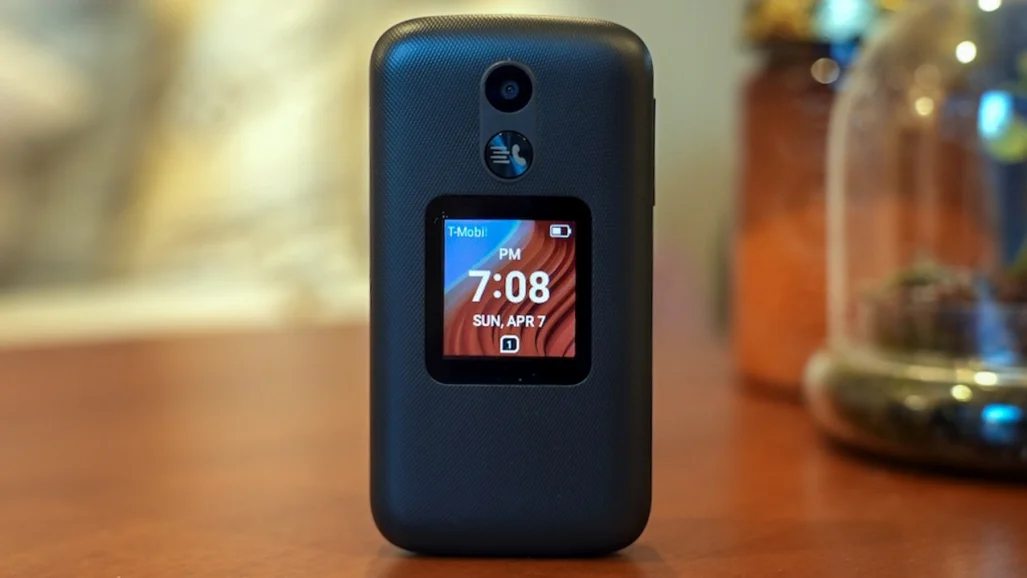
5. TCL Flip 2
Pros:
Affordable Price: Priced at $79.99, it’s a budget-friendly option for basic communication needs.
Long Battery Life:
14 hours of talk time on a single charge.
Lasts 8+ hours with mixed use (calls, texts, photos).
Includes a 5W charger (0–100% in 1h47m).
Clear Call Quality:
VoLTE support for crisp voice calls.
Loud earpiece (75.6dB) and speakerphone (87.6dB), outperforming rivals like the Nokia 2780.
Compact, Durable Design:
Lightweight (4.93 oz) and pocket-friendly (4.22 x 2.19 x 0.78 inches when closed).
Removable battery and microSD slot (up to 128GB).
User-Friendly Features:
Physical number pad with backlighting for easy dialing/texting.
Quick Dial button for instant speakerphone calls.
Outer 1.4-inch screen for notifications, time, and caller ID.
Basic Connectivity:
Wi-Fi 4 support for web browsing, email, and Wi-Fi calling.
Bluetooth 4.2 and 3.5mm headphone jack for audio.
Simple Software:
Intuitive AOSP-based OS with essentials (calendar, calculator, notes, email client).
Accessibility features (text size adjustment, TTY mode, mono audio).
Cons:
Limited App Support:
No app store; cannot download additional apps (unlike Nokia 2780’s KaiOS).
Web browsing (via directional pad) is tedious.
Poor Camera Quality:
2MP rear camera with no flash; struggles in all lighting conditions.
480p video recording is grainy and low-detail.
Outdated Hardware:
Mediocre specs: MediaTek 6739-CH chip, 1GB RAM, 4GB storage.
Wi-Fi 4 (vs. modern Wi-Fi 5/6) and Bluetooth 4.2.
Design Flaws:
Slippery plastic build; outer screen smudges easily.
No IP rating for dust/water resistance.
Screen Limitations:
Low-resolution 2.8-inch LCD (320 x 240 pixels) with glare in sunlight.
No touch input; navigation relies on directional pad.
No 5G Support: Limited to 4G LTE connectivity.
Software Neglect:
No commitment to security updates or OS upgrades.
Lacks modern features like music streaming or cloud integration.
Limited Color Options: Only available in Volcano Black.
Verdict:
The TCL Flip 2 excels as a no-frills feature phone with stellar battery life, clear calls, and essential connectivity. Its simplicity and affordability make it ideal for users prioritizing reliability over advanced features. However, its poor camera, outdated hardware, and lack of app support limit its appeal. For basic calling/texting needs, it earns its Editors’ Choice title, but those seeking app flexibility may prefer the Nokia 2780 Flip (despite its inferior battery and call quality).
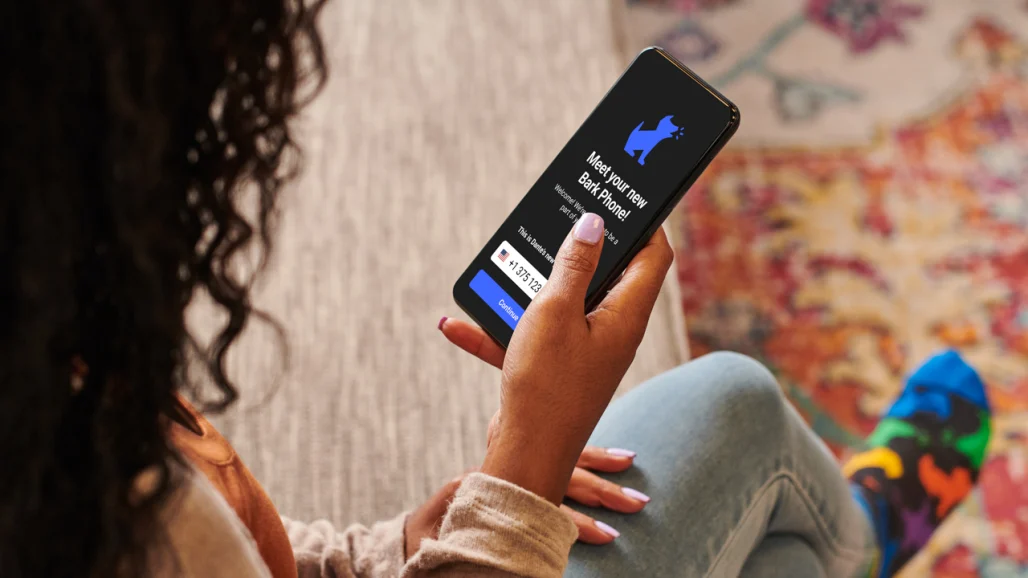
6. Bark Phone
Pros:
Robust Parental Controls:
Monitors texts, social media (Snapchat, Instagram, etc.), and emails for dangers (cyberbullying, predators, self-harm).
Alerts parents with context (e.g., detects slang like “kys” for suicide-related content).
Tamper-proof: Kids can’t delete texts, disable controls, or install VPNs.
App Management: Approve/block apps, set screen time limits, and remotely lock the phone.
Discreet Design:
Looks like a standard Samsung Galaxy A13 smartphone; no “kid phone” stigma.
Durable build with optional $9 case (black/white).
GPS & Geofencing:
Real-time location tracking and geofencing alerts (e.g., school, home).
Check-in feature for parent-child updates.
Easy Setup:
QR code activation links parent app to phone in minutes.
Pre-configured defaults simplify onboarding.
No Contract:
Month-to-month plans with no long-term commitment.
Camera Quality:
50MP main camera + 8MP selfie cam (1080p video) surpasses most kids’ phones.
Battery Life:
Lasts up to 7 days on a single charge with moderate use.
Cons:
Costly Plans:
Starts at $29/month (unlimited talk/text, no data) up to $89/month (unlimited LTE).
More expensive than carrier family plans (e.g., $30–$45/month per line).
Includes phone hardware and monitoring, but still a premium price.
Alert Delays:
Danger notifications can lag up to 2 hours, risking delayed intervention.
Settings changes (e.g., app blocks) may take minutes to sync.
Limited Flexibility:
Requires Bark Wireless (MVNO on AT&T’s network); no BYOD or major carrier support.
Younger kids’ plan ($29) blocks apps, browser, and voicemail entirely.
Outdated Hardware/Software:
Runs Android 12 (not latest OS) on entry-level Exynos 850 chip.
Budget-tier specs: 6.6-inch 1080p LCD, 4GB RAM, 64GB storage.
No Social Media Blocking:
Monitors but doesn’t block platforms (unlike Gabb Phone Plus).
Relies on parental alerts rather than outright restrictions.
Camera Limitations:
No autofocus on front camera; macro/depth sensors are low-res (2MP).
Verdict:
The Bark Phone excels in online safety with unparalleled monitoring and contextual alerts, making it ideal for parents prioritizing real-time oversight over strict lockdowns. While its monthly cost and occasional lag are drawbacks, the peace of mind from proactive danger detection (e.g., bullying, predators) justifies the premium for many. Editors’ Choice for balancing functionality with a “normal” smartphone experience, though budget-conscious families may prefer Bark’s $5–$14/month app on existing devices.
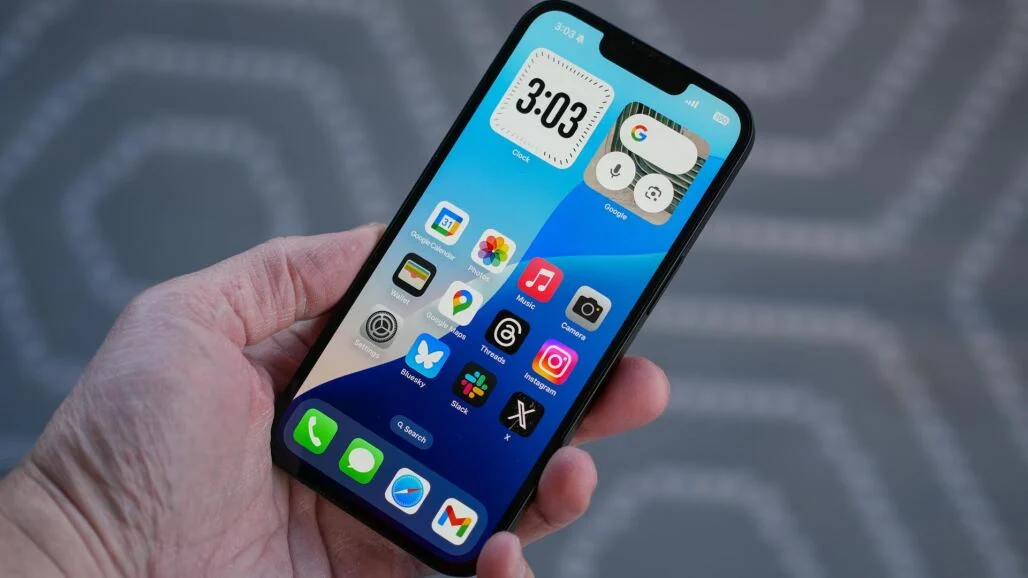
7. Apple iPhone 16e
Pros:
Affordable Entry to iPhone Ecosystem:
Starts at $599, bridging the gap between the discontinued iPhone SE and standard iPhone 16.
Retains core iOS 18 features, including Apple Intelligence (AI tools, Genmoji, Writing Tools).
Powerful Performance:
Apple A18 chip (6-core CPU, 4-core GPU) matches iPhone 16 in most tasks.
Outperforms rivals like Google Pixel 8a in benchmarks (Geekbench 6: 3,441 single-core / 8,362 multi-core).
Exceptional Battery Life:
Lasts 21h 37m in testing—longest for a 6.1-inch iPhone, nearing iPhone 16 Pro Max (22h 5m).
Custom C1 modem optimizes power efficiency for 5G and voice calls.
High-Quality Cameras:
48MP main camera with 2x zoom and Night mode; 12MP TrueDepth front camera.
4K60 video recording and improved image processing.
Durable Build:
IP68 rating (dust/water resistance up to 5 feet for 30 minutes).
Aluminum frame with Ceramic Shield front glass.
iOS 18 & Longevity:
Full access to Apple Intelligence, customizable iOS 18, and expected 4-5 years of updates.
USB-C port (v2.0) replaces Lightning.
Cons:
Limited Connectivity:
No mmWave 5G, Ultra Wideband, or Wi-Fi 7 (supports sub-6GHz 5G and Wi-Fi 6).
Camera Cutbacks:
Lacks ultra-wide and telephoto lenses; no macro photography or advanced Portrait modes.
Display Shortcomings:
Lower brightness (800 nits typical, 1,200 nits peak vs. iPhone 16’s 1,000/2,000 nits).
No Always-On display or Dynamic Island (uses older notch design).
No MagSafe Support:
Qi wireless charging limited to 7.5W (vs. 15W with MagSafe).
Modem Limitations:
First-gen C1 modem lacks mmWave support, though call quality and 5G speeds (667Mbps down) are solid.
Storage Pricing:
512GB model costs $899—close to base iPhone 16 ($799).
Specs Recap:
| Name | Value |
|---|---|
| Operating System | iOS 18 |
| CPU | Apple A18 |
| Dimensions | 5.78 x 2.82 x 0.31 inches |
| Screen Size | 6.1 inches |
| Resolution | 2,532 x 1,170 pixels (460ppi) |
| Cameras | 48MP rear, 12MP front |
| Battery Life | 21h 37m (tested) |
Verdict:
The iPhone 16e is a cost-effective gateway to Apple’s ecosystem, offering flagship-tier performance, stellar battery life, and Apple Intelligence at a $200 discount vs. the iPhone 16. While it sacrifices mmWave 5G, advanced cameras, and MagSafe, its C1 modem and iOS 18 integration make it ideal for budget-conscious users seeking a durable, future-proof iPhone. The standard iPhone 16 remains the Editors’ Choice for most buyers, but the 16e is a standout for value-focused shoppers.
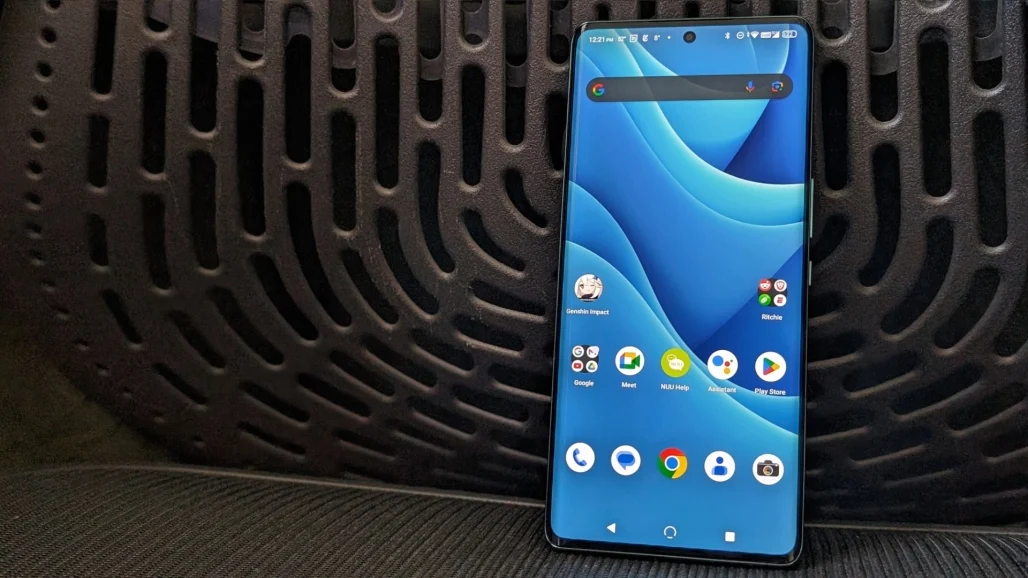
8. Nuu B30 Pro 5G
Pros:
Strong Gaming Performance:
MediaTek Dimensity 7050 chip + 12GB RAM handles demanding games like Genshin Impact smoothly.
Outperforms rivals in benchmarks (Geekbench 6: 1,084 single-core / 2,576 multi-core).
Generous Storage:
256GB built-in storage (double the OnePlus Nord N30 and Samsung Galaxy A15).
Fast Charging:
30W charger included (0–100% in ~1h20m); 15-minute charge reaches 26%.
Premium Design:
Curved 6.7-inch AMOLED display with Dragontrail Glass and Gorilla Glass back.
Sleek, narrow build (6.37 x 2.92 x 0.35 inches) for comfortable handling.
Connectivity:
Supports Wi-Fi 6, NFC, and sub-6GHz 5G (T-Mobile/MVNOs).
Solid Wi-Fi speeds (506Mbps down in testing).
Cons:
Dim Display:
550 nits peak brightness struggles outdoors; rivals (Nord N30: 680 nits, A15: 800 nits) fare better.
Mediocre Cameras:
108MP main sensor produces oversharpened, painterly details; 2MP macro lens is underwhelming.
Ultra-wide (8MP) and selfie (32MP) shots lack dynamic range and clarity.
Outdated Software:
Ships with Android 13; promised Android 14 update lags behind competitors.
Only 2 years of updates vs. Samsung’s 4 OS updates for A15.
Average Battery Life:
10h 10m in testing (5,000mAh battery); trails Nord N30 (11h 18m) and A15 (14h 3m).
Build Quirks:
No IP rating (vs. Moto G Play’s IP52); glossy back attracts fingerprints/dust.
No headphone jack or microSD slot (included in Nord N30/A15).
Heating Issues:
Gets warm during extended gaming sessions.
Audio Limitations:
Muffled call quality; speakerphone maxes at 67.2dB (quiet for noisy environments).
Specs Recap:
| Name | Value |
|---|---|
| Operating System | Android 13 |
| CPU | MediaTek Dimensity 7050 |
| Dimensions | 6.37 x 2.92 x 0.35 inches |
| Screen Size | 6.7-inch AMOLED |
| Resolution | 2,400 x 1,080 pixels |
| Cameras | 108MP+8MP+2MP rear; 32MP front |
| Battery Life | 10h 10m (tested) |
Verdict:
The Nuu B30 Pro 5G impresses with gaming prowess and premium design at $299, but its dim display, dated software, and middling cameras hold it back. For the same price, the OnePlus Nord N30 offers a brighter screen, faster charging, and better cameras, while the Samsung Galaxy A15 ($199) delivers longer battery life and superior software support. Gamers on a tight budget may appreciate the B30 Pro’s performance, but most buyers should opt for rivals.
Comparison Table: The Best Cheap Phones for 2025
| Feature | Motorola Moto G Power 5G (2024) | OnePlus Nord N30 5G | Samsung Galaxy A16 5G | Samsung Galaxy A25 5G | TCL Flip 2 | Bark Phone | Apple iPhone 16e (Expected) | Nuu B30 Pro 5G |
|---|---|---|---|---|---|---|---|---|
| Price | $299 | $299 | $249 | $349 | $99 | $399 | $499 | $279 |
| Display | 6.6″ IPS LCD, 120Hz | 6.72″ LCD, 120Hz | 6.5″ Super AMOLED, 90Hz | 6.4″ Super AMOLED, 120Hz | 2.8″ internal, 1.44″ external | 6.5″ IPS LCD | 6.1″ OLED, 60Hz | 6.78″ IPS LCD, 120Hz |
| Processor | Snapdragon 4 Gen 2 | Snapdragon 695 | MediaTek Dimensity 700 | Exynos 1280 | MediaTek MT6761 | MediaTek Helio G85 | Apple A17 Bionic | MediaTek Dimensity 900 |
| RAM/Storage | 6GB/128GB | 8GB/128GB | 6GB/128GB | 8GB/128GB | 512MB/4GB | 6GB/128GB | 4GB/128GB | 8GB/256GB |
| Rear Camera | 50MP + 8MP ultra-wide | 108MP + 2MP macro + 2MP depth | 50MP + 5MP ultra-wide + 2MP macro | 64MP + 12MP ultra-wide + 5MP macro | 2MP | 48MP + 8MP ultra-wide | 12MP (single) | 64MP + 8MP ultra-wide + 2MP |
| Front Camera | 16MP | 16MP | 13MP | 13MP | None | 16MP | 12MP | 16MP |
| Battery | 5,000mAh | 5,000mAh | 5,000mAh | 5,000mAh | 1,500mAh | 6,000mAh | 3,279mAh | 5,000mAh |
| OS | Android 14 | Android 13 (OxygenOS) | Android 14 (One UI 6) | Android 14 (One UI 6) | KaiOS | Android 14 (BarkOS) | iOS 18 | Android 13 |
| Special Features | Water-repellent design | Stereo speakers | 25W fast charging | IP67 rating | 4G LTE, SOS button | Parental controls, GPS tracking | Face ID, MagSafe | 33W fast charging |
| Release Year | 2024 | 2023 | 2024 (expected) | 2024 (expected) | 2023 | 2024 | 2024 (expected) | 2023 |
Notes:
Unreleased Devices: Specs for unreleased models (e.g., iPhone 16e, Galaxy A16/A25 5G) are estimates based on leaks or prior iterations.
Unique Offerings:
- TCL Flip 2: A basic flip phone with 4G support, ideal for minimalists.
- Bark Phone: Focuses on child safety with robust parental controls and GPS.
- iPhone 16e: Expected to be Apple’s budget 2024 model with a single-lens camera and A17 chip.
Battery Life: Motorola, OnePlus, and Samsung prioritize large batteries (5,000mAh), while the Bark Phone includes a massive 6,000mAh for extended parental monitoring.
Pro Tips for Smart Shopping
- Wait for Sales: Black Friday or carrier deals often slash prices by 20-30%.
- Refurbished Models: Consider certified refurbished iPhones or Pixels for bigger savings.
- Check Trade-Ins: Carriers like T-Mobile offer $100-$200 discounts for old devices.
Final Thoughts
You don’t need to splurge for a great smartphone. The OnePlus Nord N30 5G and Samsung Galaxy A16 5G stand out in 2025 for balancing cost and performance. For Apple loyalists, the iPhone 16e is a worthy investment. Always match your needs to the specs, and don’t overlook refurbished options. Stay tuned to Tech4GSM for the latest reviews and updates!