Introduction
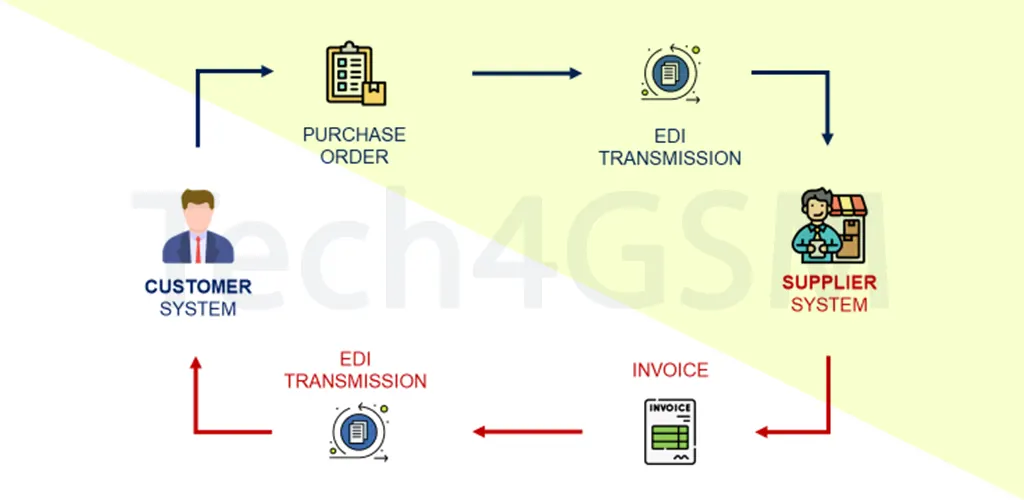
Electronic Data Interchange (EDI) is the computer-to-computer exchange of business documents (like invoices, purchase orders, and shipping notices) in a standardized electronic format. It replaces manual processes, paper-based transactions, and emails, enabling seamless communication between businesses.
Key Features of EDI:
- Automated Data Transfer: No human intervention needed.
- Standardized Formats: Uses global formats like EDIFACT or ANSI X12.
- Secure & Fast: Reduces errors and speeds up transactions.
History of EDI: From 1960s to 2025
- 1960s: EDI was pioneered by Edward Guilbert to streamline supply chain communications in the U.S. transportation industry.
- 1980s: The United Nations introduced EDIFACT, a global standard adopted by industries like automotive and retail.
- 2025: By 2025, experts predict that 95% of businesses will rely on EDI for cross-border transactions.
Fun Fact: Over 12,000 U.S. companies adopted EDI by the 1990s, cutting costs by 35%!
How Does EDI Work? (Step-by-Step)
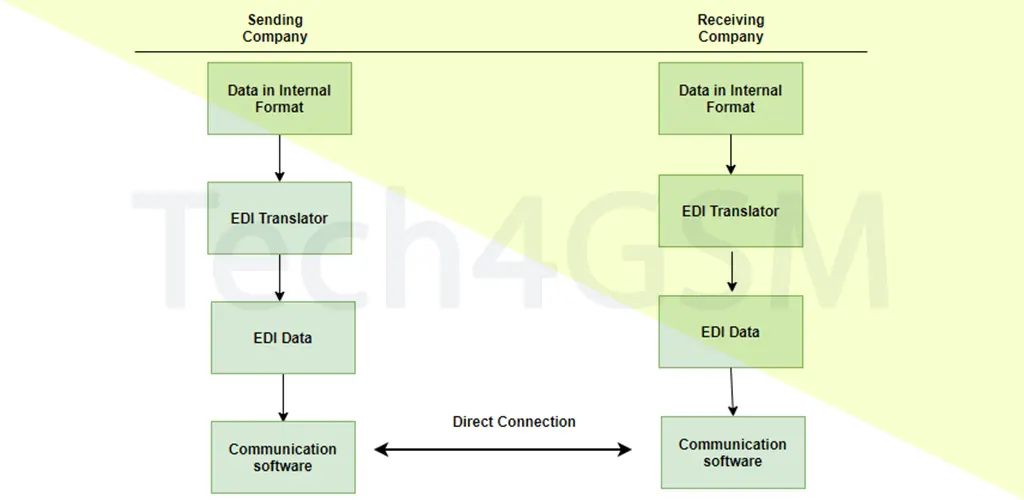
- Document Preparation: Convert data (e.g., purchase order) into a digital file.
- Translation: Use EDI software to translate the file into a standard format (like EDIFACT).
- Transmission: Send the file via secure protocols (AS2, FTP) to the partner’s system.
- Automatic Processing: The receiver’s system decodes and integrates the data without manual input.
Example: A retailer sends a purchase order to a supplier. The supplier’s system auto-confirms, updates inventory, and schedules shipping—all in minutes!
Common EDI Documents
Businesses exchange these documents via EDI:
- Purchase Orders (POs)
- Invoices
- Shipping Notices
- Inventory Reports
- Payment Confirmations
Did You Know? EDI reduces invoice processing costs by 60-80% compared to paper-based methods.
Industries Using EDI
EDI is critical in sectors where speed and accuracy matter:
- Retail: Walmart and Amazon mandate EDI for suppliers.
- Healthcare: Shares patient data securely between hospitals and insurers.
- Logistics: Tracks shipments in real-time.
- Automotive: Manages just-in-time manufacturing.
- Banking: Processes payments and remittances faster.
By 2025, even small businesses will adopt EDI to compete globally.
Top Uses of EDI
- Order Processing: Automate POs and sales orders.
- Inventory Management: Sync stock levels across suppliers.
- Supply Chain Visibility: Track goods from factory to customer.
- Healthcare Claims: Submit insurance claims electronically.
- Financial Transactions: Enable instant payment confirmations.
Pro Tip: Companies using EDI see a 30% faster order-to-cash cycle!
Advantages of EDI
- Cost Savings: Slash paper, printing, and labor costs.
- Speed: Transactions complete in minutes, not days.
- Accuracy: Error rates drop by 90%.
- Security: Encrypted data complies with regulations like HIPAA.
- Sustainability: Reduces paper waste.
Case Study: A grocery chain saved $2M annually by switching to EDI for vendor communications.
Disadvantages of EDI
- High Setup Costs: Requires software, training, and integration.
- Changing Standards: Formats like EDIFACT evolve regularly.
- Dependency: System failures can halt operations.
EDI vs. E-Commerce: What’s the Link?
While e-commerce platforms like Shopify handle customer sales, EDI manages backend processes:
- EDI automates order fulfillment between retailers and suppliers.
- E-commerce sites use EDI to sync inventory with warehouses.
By 2025, integrating EDI with e-commerce will be standard for global sellers.
The Future of EDI: 2025 and Beyond
- AI Integration: Predictive analytics for smarter inventory.
- Blockchain: Secure, transparent transaction records.
- IoT Compatibility: Real-time data from smart devices.
Prediction: By 2025, EDI will power 70% of B2B transactions worldwide.
FAQs About EDI
Q1: Is EDI only for large companies?
No! Affordable cloud-based EDI solutions are ideal for SMEs.
Q2: How secure is EDI?
Very. It uses encryption and compliance protocols to protect data.
Q3: Can EDI work with my existing ERP system?
Yes. Most EDI software integrates with tools like SAP or QuickBooks.
Q4: What’s the difference between EDI and email?
EDI automates data entry; emails require manual processing.
Q5: Will EDI become obsolete?
No. By 2025, it will evolve with AI and blockchain for even faster workflows.
Final Thoughts
EDI isn’t just a tool—it’s a strategic advantage for businesses aiming to thrive in 2025. From automating orders to cutting costs, EDI transforms how companies communicate.