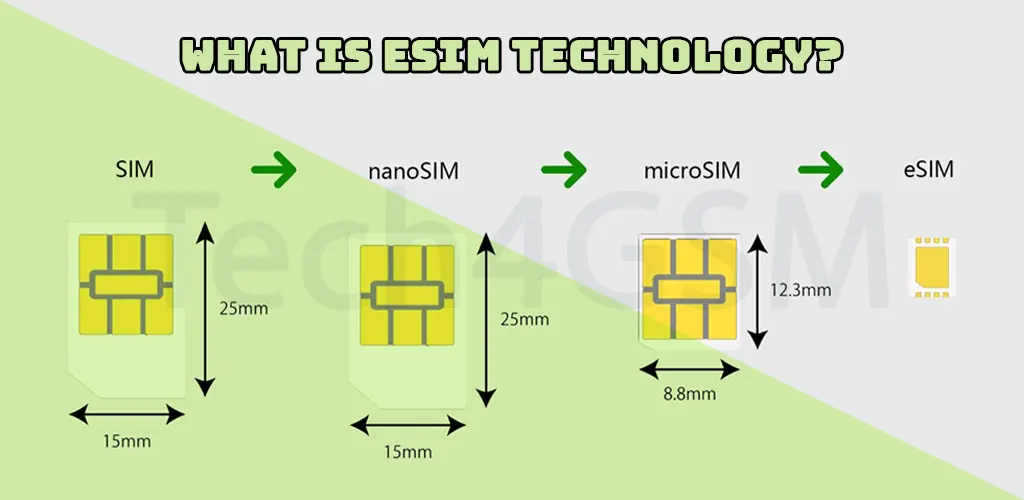
What is eSIM Technology? A Complete Guide for Mobile Users
In today’s fast-paced digital era, staying connected is essential. Traditional SIM cards, while reliable, are slowly being replaced by a revolutionary innovation: eSIM technology. This guide breaks down everything you need to know about eSIMs in simple, jargon-free language.
Understanding eSIM: The Digital SIM Revolution
An eSIM (embedded SIM) is a tiny, programmable chip built directly into your device. Unlike traditional SIM cards, it doesn’t require physical swapping. Instead, it stores multiple carrier profiles digitally, letting you switch networks or plans with just a few taps.
How Does eSIM Work?
Imagine your smartphone has a “digital SIM slot.” The eSIM chip (eUICC) inside your device securely stores carrier data like network credentials. When you activate a plan, your carrier sends a profile over the internet. This eliminates the need for plastic SIM cards and simplifies switching between providers.
Key Features:
- Remote Activation: Activate plans instantly via QR codes or carrier apps.
- Multiple Profiles: Store up to 8 eSIM profiles on devices like the iPhone 15.
- Global Compatibility: Use local networks abroad without roaming fees.
The Future of eSIM: Growth and Trends
eSIM adoption is skyrocketing. According to Tech4GSM, global eSIM smartphone connections will hit 850 million by 2025 and surge to 6.7 billion by 2030. Here’s why:
- Travel Flexibility: Travel eSIMs are projected to grow by 440% in five years (Juniper Research).
- IoT Expansion: Smartwatches, cars, and smart home devices rely on eSIMs for seamless connectivity.
- Eco-Friendly Impact: Eliminating plastic SIMs could reduce 18,000 tons of annual plastic waste.
Types of eSIMs: Which One Fits Your Needs?
Not all eSIMs are the same. Here’s a breakdown:
| Type | Use Case |
|---|---|
| Data-Only | Ideal for tablets, IoT devices, or travelers needing internet. |
| Voice, SMS & Data | Full-service plans with a local number for daily use. |
| Travel eSIM | Short-term data plans for international trips. |
| Regional/Global | Covers multiple countries (e.g., Eskimo eSIM works in 130+ nations). |
Dual-SIM Technology: Double the Convenience
Dual-SIM devices let you use two numbers simultaneously. With eSIMs, this becomes even easier:
- Option 1: Two physical SIMs (rare in modern phones).
- Option 2: One physical SIM + one eSIM (most common).
- Option 3: Two eSIMs (emerging trend).
Use Cases:
- Separate work and personal numbers.
- Keep a local number while traveling.
Pros and Cons of eSIM Technology
Advantages
- Convenience: Activate plans instantly, no store visits.
- Space-Saving: Frees up device space for bigger batteries or components.
- Security: Tamper-proof design with advanced encryption.
- Eco-Friendly: Reduces plastic waste and carbon emissions.
Disadvantages
- Device Compatibility: Older phones may not support eSIM.
- Carrier Limitations: Smaller providers might not offer eSIM plans.
- Setup Complexity: Requires basic tech knowledge (though guides help).
eSIM vs. Traditional SIM: A Quick Comparison
| Feature | eSIM | Traditional SIM |
|---|---|---|
| Activation | Over-the-air in minutes. | Physical insertion required. |
| Flexibility | Switch carriers remotely. | Need to swap cards manually. |
| Security | Encrypted, harder to hack. | Vulnerable to physical theft. |
| Eco-Impact | Zero plastic waste. | 4.5 billion cards waste yearly. |
Why Choose Eskimo eSIM?
Eskimo eSIM stands out for global users:
- 130+ Countries: Roam freely without roaming charges.
- Lifetime Validity: Keep your eSIM forever; data plans last 2 years (extendable).
- Cost-Effective: Avoid buying local SIMs on every trip.
Join 500,000+ users who trust Eskimo for seamless connectivity.
Comparison Table: What is eSIM Technology?
| Provider | Coverage | Data Plans | Price Range | Validity | Special Features |
|---|---|---|---|---|---|
| Eskimo | 130+ countries | Data-only (custom packages) | Varies by region | 2 years (extendable) | Lifetime eSIM validity, no roaming fees, 500,000+ users |
| Saily | 50+ countries | 1 GB to 20 GB | $5 – $40 | 7–30 days | Budget-friendly, regional focus |
| GigSky | 190+ countries | 500 MB to 20 GB | $10 – $100 | 15–30 days | Global coverage, business-friendly plans |
| Maya Mobile | 100+ countries | 3 GB to Unlimited | $15 – $80 | 10–60 days | Unlimited data in select regions |
| Roamless | 120+ countries | 1 GB to 50 GB | $8 – $90 | 7–90 days | Pay-as-you-go, flexible top-ups |
| Holafly | 160+ countries | Unlimited data (select countries) | $19 – $99 | 5–90 days | Unlimited data, hotspot support |
| Airalo | 200+ countries | 1 GB to 20 GB | $3 – $50 | 7–30 days | User-friendly app, instant activation |
Key Takeaways:
- Best for Long-Term Use: Eskimo (2-year validity, extendable).
- Budget-Friendly: Airalo ($3+) and Saily ($5+).
- Unlimited Data: Holafly and Maya Mobile.
- Global Coverage: GigSky (190+ countries) and Airalo (200+ countries).
- Flexibility: Roamless (up to 90 days) and Eskimo (no roaming fees).
Conclusion: Embrace the Future of Connectivity
eSIM technology is transforming how we stay connected. With benefits like flexibility, security, and environmental sustainability, it’s no wonder adoption is accelerating. Whether you’re a frequent traveler or a tech enthusiast, eSIMs offer a smarter, greener way to stay online.