Introduction
In today’s tech-driven world, memory cards are the unsung heroes that keep our gadgets running smoothly. Whether it’s your smartphone, digital camera, music player, or even a gaming console, these tiny storage devices pack a punch. But among all memory card formats, microSD stands out as the ultimate pocket-sized powerhouse. Let’s explore why!
What Exactly Is a Memory Card?
A memory card is a flash storage device designed to store data for digital devices. Think of it as a mini hard drive that’s small enough to fit on your fingertip yet tough enough to handle daily wear and tear. Unlike older storage options, memory cards are rewritable, meaning you can delete and reuse them thousands of times without losing performance. They’re perfect for snapping photos, recording videos, or expanding your device’s storage on the go.
Meet the microSD: Small Size, Big Legacy
The microSD card (short for Secure Digital) is currently the smallest and most popular memory card format. But did you know it wasn’t always called “microSD”? Originally launched as TransFlash or T-Flash in 2004, it was later rebranded to microSD after becoming the go-to standard for mobile devices.
Here’s what makes microSD cards special:
- Ultra-Compact Design: Smaller than a fingernail, it’s ideal for slim devices like smartphones and action cameras.
- High Compatibility: Use it with an adapter in devices that support standard SD cards.
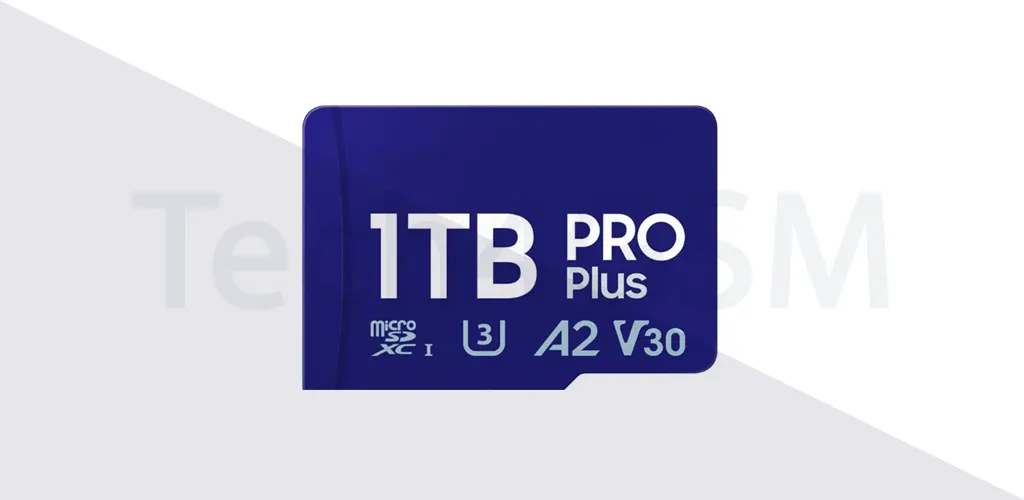
- Massive Storage: Modern microSD cards can hold up to 1TB of data—enough for 250+ hours of HD video!
While Sony’s M2 (Memory Stick Micro) was another tiny contender, microSD won the popularity race due to its versatility and widespread adoption.
Why Choose microSD Over Other Formats?
- Universal Acceptance: From budget phones to premium drones, microSD slots are everywhere.
- Speed Matters: Look for labels like Class 10, UHS-I, or A2 for faster data transfers—perfect for 4K video or gaming.
- Durability: Waterproof, shockproof, and temperature-resistant, these cards survive extreme conditions.
How to Pick the Right microSD Card
- Storage Needs: 32GB–128GB works for casual users; 256GB+ suits professionals.
- Speed Class: Higher classes (e.g., U3/V30) are better for high-res content.
- Brand Reliability: Stick with trusted brands like SanDisk, Samsung, or Kingston.
Final Thoughts
The microSD card proves that great things come in small packages. Whether you’re saving vacation photos, downloading apps, or backing up files, this tiny tech marvel ensures you never run out of space. Next time you upgrade your device, don’t forget to pair it with a reliable microSD card.