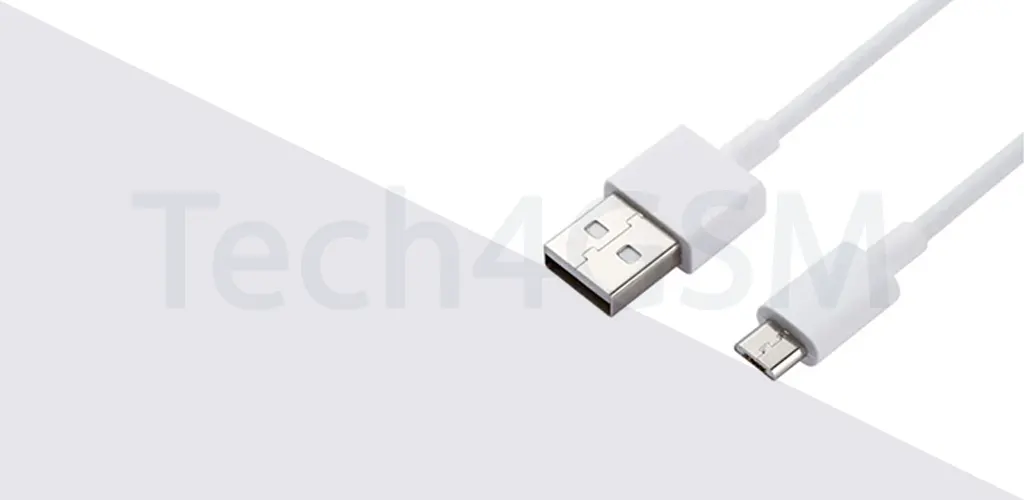
Introduction
Universal Serial Bus (USB) is the backbone of modern device connectivity, allowing gadgets to link with computers for data transfer, charging, and more. Among its many versions, Mini-USB once ruled as the go-to connector for phones, cameras, and other gadgets. Let’s break down what makes Mini-USB unique and why it’s slowly being replaced.
Mini-USB Explained in Simple Words
Mini-USB is a compact, older-style USB connector designed for smaller devices. It comes in two subtypes:
- Mini-A: Rarely used, mostly for specialized devices.
- Mini-B: The popular choice for early smartphones, digital cameras, and MP3 players.
When you connect a Mini-USB cable to a computer, it lets you:
- Transfer files seamlessly (like photos, music, or documents) if the device supports Mass Storage Mode. No extra software needed!
- Charge your device directly from the computer’s USB port.
Why Mini-USB Was a Game-Changer
- Compact Size: Before Mini-USB, connectors were bulkier. Its smaller design made it perfect for portable gadgets.
- Universal Compatibility: It worked across brands, so you didn’t need a different cable for each device.
- Durability: The sturdier build compared to newer options meant it could handle frequent plugging/unplugging.
The Rise of Micro-USB (And Why It’s Taking Over)
While Mini-USB is still used in some devices (like older cameras or GPS units), Micro-USB has become the new standard. Here’s why:
- Thinner Design: Micro-USB is slimmer, fitting into ultra-slim smartphones.
- Improved Durability: It’s rated for 10,000+ insertions, outlasting Mini-USB.
- Faster Adoption: Brands like Samsung, Nokia, and others shifted to Micro-USB for charging and data.
Quick Tips for Mini-USB Users
- Keep a spare cable: They’re getting harder to find!
- Check compatibility: Ensure your device supports Mass Storage Mode for driver-free file transfers.
- Upgrade wisely: If your device uses Mini-USB, consider moving to a newer model with modern ports for faster speeds.
Final Thoughts
Mini-USB played a huge role in making tech portable and user-friendly. While it’s fading out, understanding its features helps you troubleshoot older gadgets.