Introduction
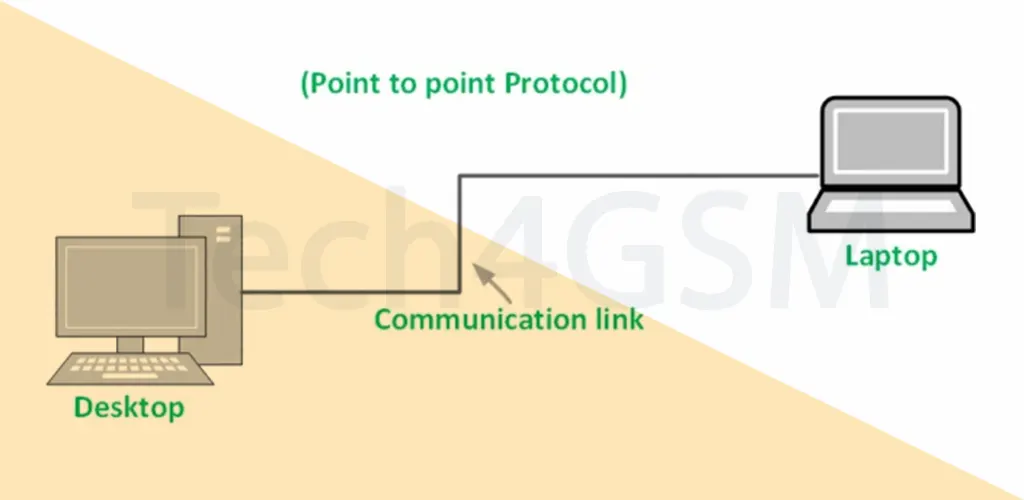
In today’s interconnected world, the Point-to-Point Protocol (PPP) plays a vital role in enabling seamless communication between devices. Think of PPP as a rulebook that ensures two devices (like a client and a server) can “talk” efficiently over a direct link. Whether you’re setting up an internet connection, a VPN, or a dial-up network, PPP is the unsung hero working behind the scenes. Let’s break down how PPP simplifies networking and why it’s still relevant in 2025.
What is PPP?
PPP is a protocol suite designed for direct, two-device connections (like a router and a modem). Unlike simple cables that transmit raw data, PPP adds structure to these connections. It’s like turning a basic dirt road into a well-paved highway with traffic rules. Here’s why PPP stands out:
- Handles Layer 2 Communication: Manages data framing, error detection, and authentication.
- Supports Multiple Protocols: Works with IP, IPX, and AppleTalk.
- Two Key Roles:
- Initiator (Client): Starts the connection.
- Responder (Server): Accepts the connection.
How Does PPP Work? The 3 Building Blocks
PPP operates using three core components:
1. Link Control Protocol (LCP)
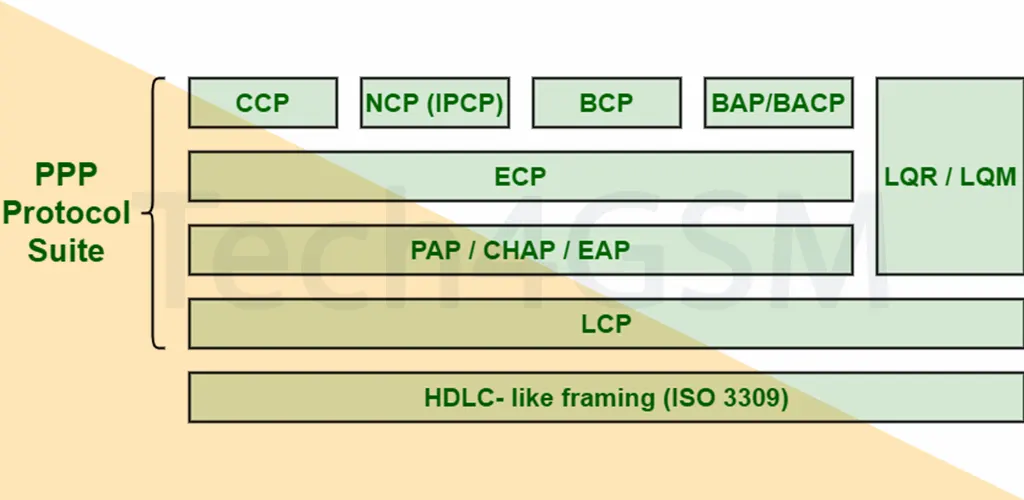
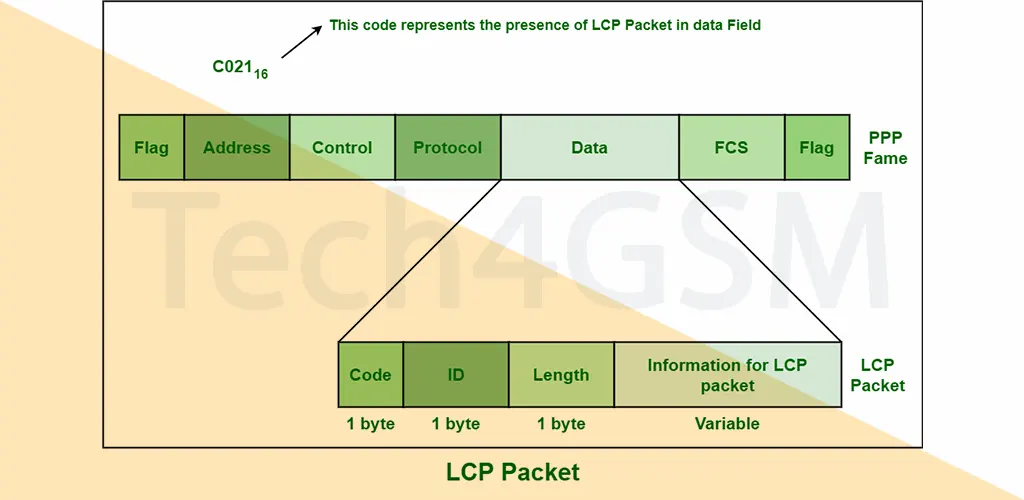
LCP is the “manager” of the connection. It sets up, tests, and maintains the link. Imagine LCP as a construction crew building and maintaining a bridge between two devices. Key tasks include:
- Establishing the connection.
- Checking link quality (e.g., detecting data loss).
- Negotiating settings like data compression.
Sub-Protocols Under LCP:
- Bandwidth Allocation Protocol (BAP): Adds or removes “lanes” (links) in a multi-link setup for better traffic flow.
- Bandwidth Allocation Control Protocol (BACP): Coordinates how devices use BAP.
- Link Quality Monitoring (LQM): Watches for data loss.
- Link Quality Reporting (LQR): Shares connection health reports between devices.
2. Network Control Protocol (NCP)
Once LCP sets up the link, NCPs take over to configure network-layer protocols (like IP). Think of NCPs as specialized managers handling specific tasks:
- IP Control Protocol (IPCP): Assigns IP addresses and sets up IP routing.
- Compression Control Protocol (CCP): Reduces data size for faster transfers.
- Encryption Control Protocol (ECP): Secures data with encryption.
- Bridging Control Protocol (BCP): Connects network segments (like a virtual bridge).
3. Authentication Protocols
PPP ensures only authorized users access the network. Here are its security tools:
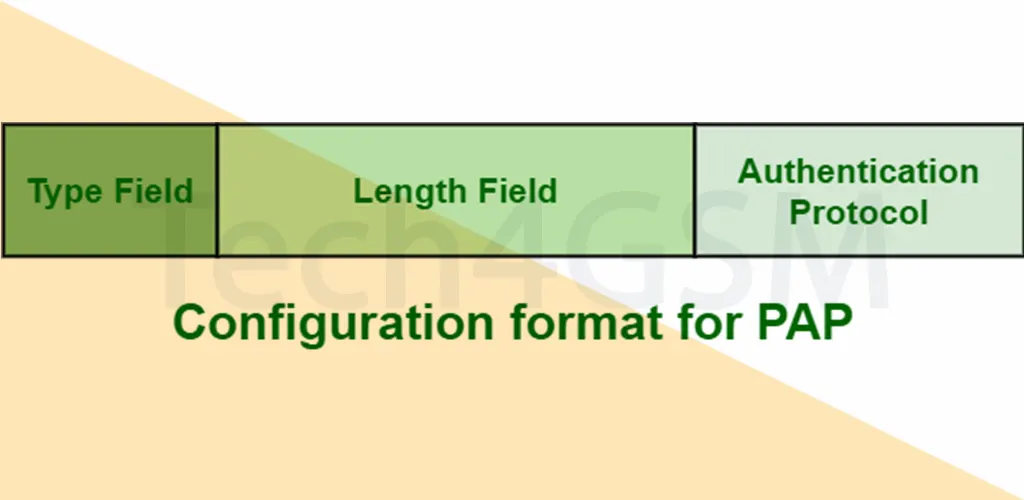
- Password Authentication Protocol (PAP): Basic username/password check (like a lock with a key).
- Challenge Handshake Authentication Protocol (CHAP): A secure “secret handshake” using a 3-step verification.
- Extensible Authentication Protocol (EAP): Flexible method supporting advanced security (e.g., biometrics).
Why PPP Still Matters in 2025
Despite newer technologies, PPP remains relevant for:
- Legacy Systems: Dial-up, older VPNs.
- Simplicity: Easy to implement for direct connections.
- Flexibility: Works with diverse network protocols.
For modern applications like IoT or 5G networks, PPP’s principles inspire newer protocols.
FAQs: Quick Answers
1. What’s the main purpose of PPP?
PPP establishes reliable, secure connections between two devices over serial links (e.g., phone lines).
2. How is PPP different from Ethernet?
PPP is for point-to-point links, while Ethernet connects multiple devices in a LAN.
3. Is PPP secure?
Yes! Protocols like CHAP and EAP add layers of security.
4. PAP vs. CHAP: Which is better?
CHAP is safer due to its 3-way handshake; PAP sends passwords openly.
5. Where is PPP used today?
In DSL, VPNs, and IoT setups needing simple, direct links.
Final Takeaway
PPP is the backbone of reliable, direct communication between devices. By mastering its three pillars—LCP, NCP, and Authentication—you’ll understand how data travels securely in our connected world.