Introduction
Ever picked up a phone and thought, “Too heavy!” or “This screen feels cramped!” Physical attributes matter more than you think – they decide if a phone fits your hand, pocket, or lifestyle. At tech4gsm.com, we break down these specs so you can see the difference before you buy.
What Are Phone Physical Attributes?
Think of them as a phone’s ID card – the numbers that tell you exactly how big, light, or screen-focused a device is. No jargon, just facts:
1. Phone Dimensions: The “H x L x W” Mystery Solved
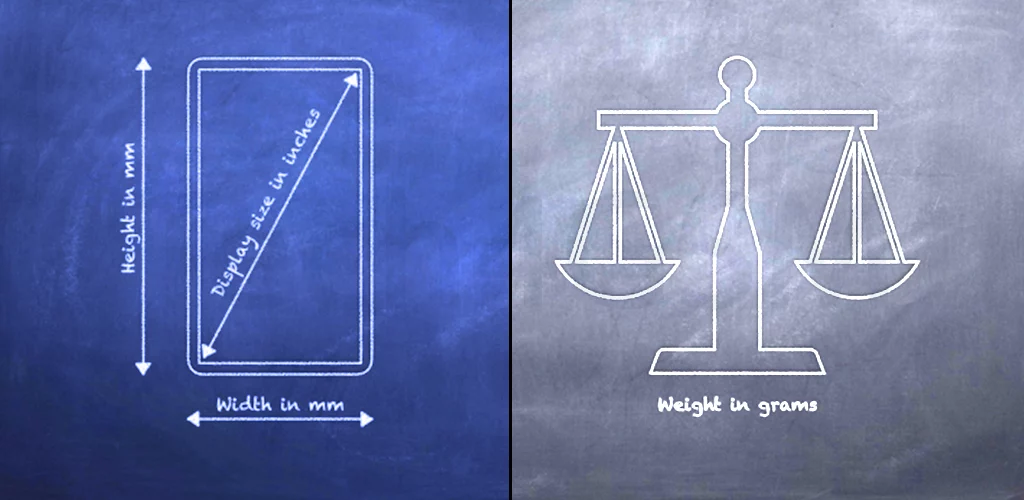
Dimensions show a phone’s height, length, and width (in mm or inches). It’s like knowing if your new phone will slide into your jeans pocket or need a purse!
- Example: 160 x 75 x 8 mm means 160mm tall, 75mm wide, 8mm thick.
- Flip phones? Measured closed – because nobody uses them open all the time!
- Volume: Rarely listed, but tells you how much space the phone occupies.
Pro tip: Compare dimensions to everyday objects (e.g., a credit card is ~85mm tall).
2. Phone Weight: The Gram Game
Weight is listed in grams (g) – the lower the number, the lighter the phone.
- Lightweight champ: Under 150g (ideal for all-day use).
- Heavyweight: Over 200g (feels premium but strains your wrist).
- Why it matters: A heavy phone can be tiring for calls, gaming, or jogging.
Fun fact: Tech4GSM updates weight data as manufacturers release specs – no outdated info!
3. Physical Display Size: More Than Just Inches
Display size is measured diagonally in inches (e.g., 6.1”). But there’s a twist:
- Screen-to-body ratio: The % of the front panel occupied by the screen.
Example: A 6.7” screen with 92% ratio means more display, less border.
Why Should You Care About These Attributes?
| Attribute | Why It Matters |
|---|---|
| Dimensions | Fits your hand/pocket? Good for one-handed use? |
| Weight | Light enough for all-day comfort? |
| Display Size | Big enough for movies? Compact for portability? |
| Screen-to-Body | Modern look vs. easier grip (thicker bezels help!). |
Pro tip: Check our Phone Specs page to compare attributes side-by-side!
How Tech4GSM Keeps You Ahead
- Accurate dimensions: Measured from real devices, not just specs.
- Weight updates: Refreshed as brands confirm details.
- Screen ratios: Calculated to show exactly how immersive the display is.
Found an error? Tell us! We’re a community-driven database.
The Hidden Perks of Physical Specs
- Ergonomics: A thick phone might feel sturdy but slippery.
- Durability: Lightweight phones can be fragile (check materials!).
- Trendspotting: Phones are getting lighter but screens are growing!
Fun fact: The average phone weight dropped from 180g (2010) to 160g (2024) – thanks to better materials!
Final Thoughts
Phone physical attributes aren’t just numbers – they’re your cheat sheet for comfort, style, and practicality. Whether you’re a minimalist who wants a feather-light phone or a binge-watcher craving a giant screen, these specs don’t lie.