Introduction
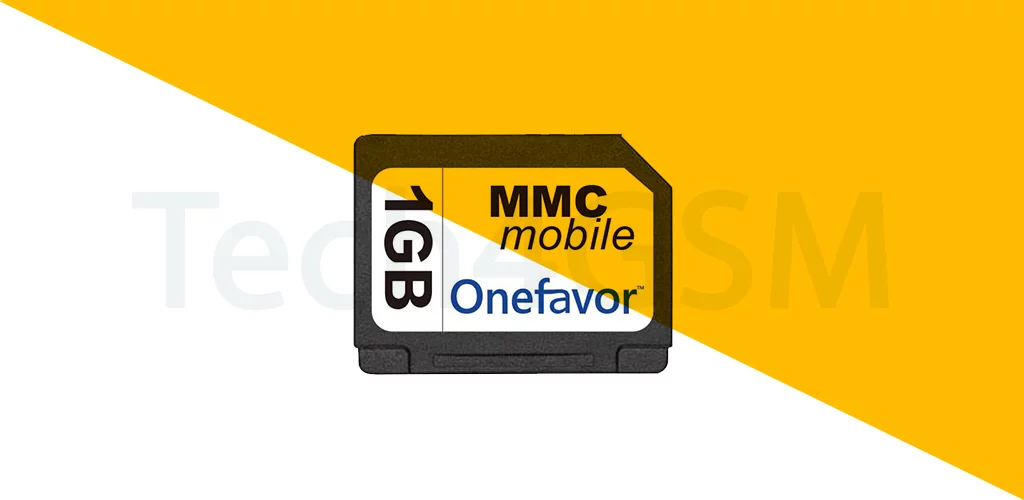
Remember when phones couldn’t store more than a few contacts? Meet the RS-MMC (Reduced-Size Multi Media Card)—a pint-sized hero of early 2000s tech that let your Nokia or Motorola phone hold photos, music, and apps. Let’s take a fun trip down memory lane and unpack why this tiny card mattered!
RS-MMC 101: The Pocket-Sized Storage Revolution
The RS-MMC was a smaller version of the Multi Media Card (MMC), designed to save space in slim devices. Here’s the scoop:
- Flash Memory Magic: Like a digital file cabinet, it stored data without power—perfect for photos, songs, or games.
- Budget-Friendly: Cheaper than rivals, it made expanding storage accessible to everyone.
- Compact Design: Half the size of a standard MMC (24mm x 18mm x 1.4mm)—ideal for early smartphones and cameras.
RS-MMC vs. MMCmobile: The Voltage Showdown
Both cards looked identical, but there was a key difference:
- RS-MMC: Ran only on 3V power—compatible with older devices like the Nokia 6630.
- MMCmobile: The upgraded cousin that worked on 3V and 1.8V, fitting newer gadgets.
Fun Fact: Some RS-MMCs got a “dual-voltage” upgrade later, but most stayed 3V-only.
4 Reasons RS-MMC Ruled the Early Mobile Era
- Space Saver: Tiny size = more room for batteries or slimmer phones.
- Plug-and-Play: No drivers needed—just pop it in and go!
- Affordable Storage: A 128MB card felt luxurious in the pre-cloud era.
- Versatile: Used in cameras, MP3 players, and even handheld GPS devices.
Where Did You Find RS-MMC Cards?
- Classic Phones: Nokia Nseries, Siemens S65, and Sony Ericsson P900.
- Digital Cameras: Early models needing compact storage.
- PDAs: Personal Digital Assistants (the “smartphones” of the ’90s).
Why RS-MMC Faded Away
- Voltage Limits: Newer devices switched to 1.8V, making 3V-only cards obsolete.
- SD Card Takeover: Secure Digital (SD) cards offered faster speeds and wider compatibility.
- Size Matters: Even smaller formats (like microSD) arrived, fitting ultra-slim gadgets.
Did You Know?
- Some RS-MMC cards came with an adapter to work in full-size MMC slots—a clever hack for cross-device use!
- The largest RS-MMC ever sold stored 2GB—a massive amount back then!
Final Takeaway: The RS-MMC was a bridge between bulky floppy disks and today’s invisible cloud storage. While it’s retired now, it paved the way for the tiny, powerful memory cards we use today. 🗃️📱