Introduction
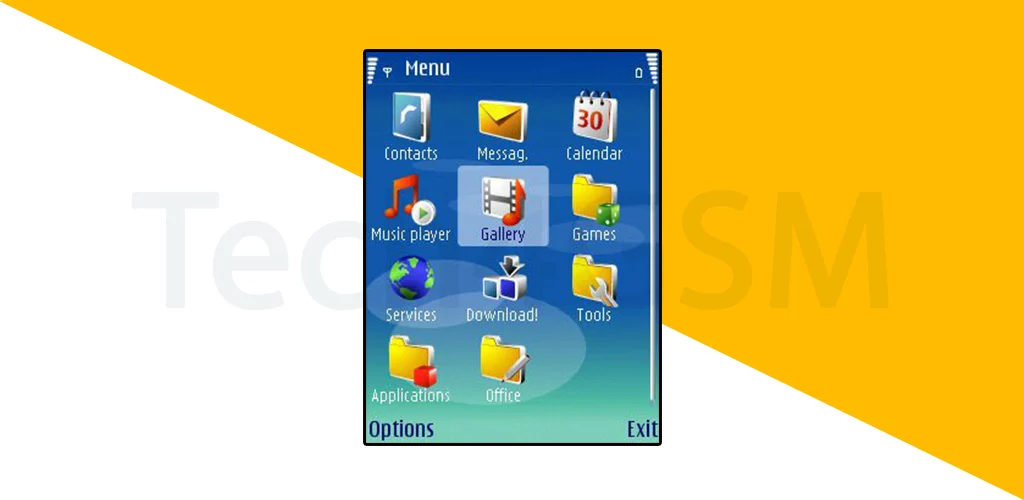
Remember the days when smartphones were just getting smart? The S60 user interface (formerly Series 60) was at the heart of this revolution. Developed by Nokia and powered by the Symbian OS, S60 became a global favorite, not just for Nokia phones but also for brands like Samsung and LG. Let’s break down what made S60 special and why it still matters.
What is the S60 User Interface?
- Symbian OS Foundation: S60 was built on the Symbian operating system, a pioneer in mobile tech. Think of it as the “engine” that powered Nokia’s iconic smartphones.
- Third-Party Apps & Java Support: Unlike basic phones, S60 could run native apps (specially designed for Symbian) and Java-based apps, making it a flexible choice for users and developers.
- Licensed to Other Brands: Nokia shared the S60 platform with competitors, creating a unified ecosystem. For example, Samsung’s early smartphones like the SGH-i550 used S60.
The Evolution of S60: A Timeline
S60 went through multiple upgrades, each adding new features:
- Series 60 (2001): The OG version! Built for tiny screens and physical keypads.
- Second Edition (2004): Better multimedia support (hello, music and video playback!).
- 3rd Edition (2005): A security overhaul and sharper app permissions. But older apps stopped working here due to Symbian OS v9.1 changes.
- 5th Edition (2008): The game-changer with touchscreen support! Nokia skipped “Edition 4” to avoid the unlucky number four in Asian markets.
Why the 5th Edition Was a Big Deal
- Touchscreen Revolution: The 5th Edition introduced 640×360 pixel resolution, perfect for taps and swipes. Phones like the Nokia N97 embraced this shift.
- Goodbye Buttons, Hello Screens: Earlier S60 devices relied on keypads (e.g., Nokia N95). The 5th Edition paved the way for modern touchscreen designs.
- Partial App Compatibility: While it could run some 3rd Edition apps, results were mixed. Developers had to tweak their software for touchscreens.
Fun Fact: Why There’s No “4th Edition”
Nokia skipped directly from the 3rd to 5th Edition in 2008. Why? In many Asian cultures, the number four sounds like the word for “death.” To avoid upsetting users (and maybe bad luck!), Nokia played it safe.
S60’s Legacy in Modern Tech
Though S60 is retired, its influence lives on:
- App Ecosystems: It proved smartphones needed third-party apps, a concept Apple and Google later perfected.
- Nokia’s Dominance: S60 made Nokia the king of 2000s mobile tech.
- Touchscreen Blueprint: The 5th Edition’s touch support inspired future designs, bridging the gap between keypads and full touchscreen UIs.
Final Thoughts
The S60 user interface wasn’t just software—it was a trailblazer. From physical buttons to touchscreens, from Nokia to global brands, S60 laid the groundwork for today’s smartphones. Next time you swipe your modern device, remember the S60 era that helped make it possible!