Introduction
Ever tried building your own highway to avoid toll roads? That’s exactly what China did with TD-SCDMA—a homegrown 3G technology designed to break free from Western telecom giants. Let’s unravel this tech rebellion and how it shaped China’s mobile landscape!
What is TD-SCDMA?
- China’s 3G Brainchild: Short for Time Division-Synchronous Code Division Multiple Access, it’s a 3G standard built to rival Western tech like WCDMA and CDMA2000.
- Patriotism Meets Tech: Launched to dodge hefty patent fees paid to foreign companies. Think of it as China saying, “We’ll build our own highway!”
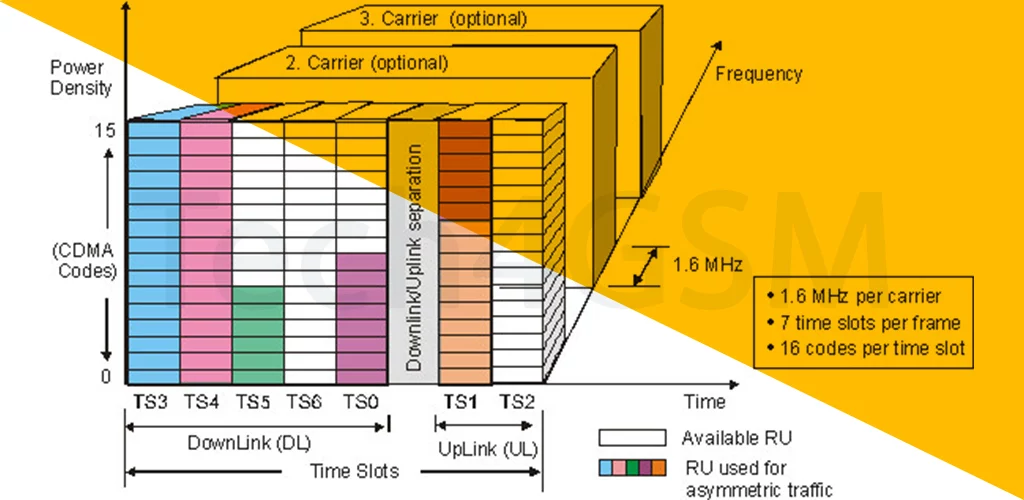
- Unique Hybrid Tech: Combines time division (splitting signals by time) and code division (encoding data) for efficient spectrum use.
Why China Went Solo
- Cost Control: Western 3G tech meant paying royalties to companies like Qualcomm. TD-SCDMA saved billions!
- Tech Sovereignty: Reduce reliance on foreign innovation and boost local R&D.
- Market Power: Control over standards = control over the future of Chinese telecom.
Fun Fact: TD-SCDMA’s creation involved over 50 Chinese companies and universities—a true national effort!
Delays & Growing Pains
- Field Testing Marathon: Commercial rollout was delayed for years (2000s–2010s) due to technical hiccups and coverage gaps.
- China Mobile’s Big Bet: In 2009, China’s largest carrier, China Mobile, was handed the TD-SCDMA license. But users complained about patchy service and fewer phones.
- Hold on Rivals: Rival carriers China Unicom (WCDMA) and China Telecom (CDMA2000) had to wait until TD-SCDMA was “ready.” Spoiler: It never fully caught up.
TD-SCDMA vs. Global 3G Standards
| Feature | TD-SCDMA | WCDMA/CDMA2000 |
|---|---|---|
| Origin | China | USA/Europe |
| Patent Costs | Low (local patents) | High (Western royalties) |
| Global Use | Mostly China | Worldwide |
| Speed | Moderate | Faster, more reliable |
The Legacy: A Stepping Stone to 5G
- 4G/5G Leapfrog: While TD-SCDMA struggled, China accelerated into 4G (TD-LTE) and now leads in 5G.
- Lessons Learned: The push for TD-SCDMA fueled China’s tech confidence, paving the way for giants like Huawei and ZTE.
- Nostalgic Niche: Today, TD-SCDMA is a relic—but a proud symbol of China’s tech ambition.
Did You Know? TD-SCDMA’s frequencies were later reused for 4G, giving it a second life!
Why TD-SCDMA Still Matters
- Innovation Blueprint: Proved China could develop complex tech standards.
- Policy Playbook: Its mixed success influenced China’s aggressive 5G strategy.
- Cultural Pride: A reminder that “Made in China” isn’t just about manufacturing—it’s about mindshare.
Final Thoughts
TD-SCDMA was China’s bold—if bumpy—leap toward tech independence. While it didn’t dethrone global 3G standards, it set the stage for China’s rise as a telecom superpower. Next time you video-call on a Huawei phone, tip your hat to TD-SCDMA’s gritty legacy!
Your Turn!
Share this story of China’s 3G gamble—a tale of ambition, patents, and the road less traveled! 🇨🇳📶