Introduction
In today’s fast-paced digital world, handling thousands of transactions seamlessly is critical. Transaction Processing Monitors (TPM) are the unsung heroes that make this possible. Developed in the 1970s and 1980s, TPM systems were initially designed to manage airline terminals from a single computer. Today, they’re the backbone of industries like banking, e-commerce, and telecommunications. Let’s explore how TPM works and why it’s still relevant in 2025.
What is a Transaction Processing Monitor (TPM)?
A TPM acts as middleware—a bridge between applications, servers, and users. It ensures smooth communication across different platforms while managing high volumes of transactions. Think of it as a traffic controller for data, ensuring every request reaches the right destination without delays or errors.
Key Features of TPM
- User-Friendly Interface: Simplifies creating and managing transaction systems.
- Data Unpacking: Breaks down incoming data into manageable packets.
- Request Queuing: Maintains a steady flow of client requests and server responses.
- Secure Routing: Directs data securely between clients and servers.
- Load Balancing: Distributes workloads evenly to prevent system overload.
- Transparency: Hides complex technical details from developers.
How Does TPM Work?
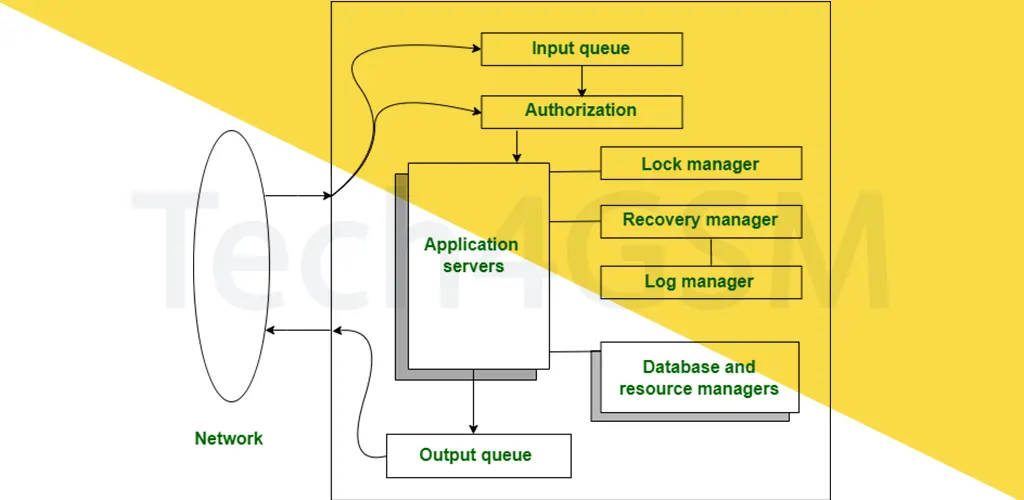
- Incoming Requests: Messages enter via a queue manager.
- Transaction Confirmation: The server sends an acknowledgment to the output queue.
- Guaranteed Delivery: Once confirmed, TPM ensures the transaction is completed.
- ACID Compliance: Many TPMs use locking and recovery tools to maintain Atomicity, Consistency, Isolation, and Durability (ACID) properties.
Core Components of TPM
- Monitor: Manages security and response times.
- Communication Services: Enable peer-to-peer messaging.
- Transactional RPC: Coordinates relational mechanisms.
- Transactional Services: Handle recovery, concurrency, and programming.
Top Functions of TPM
- Message Management: Organizes data flow.
- Request Control: Prioritizes critical tasks.
- Process Management: Optimizes resource use.
- System Recovery: Restores operations after failures.
Why Use TPM in 2025?
- Multi-Platform Support: Runs applications across diverse systems.
- Real-Time Processing: Handles thousands of transactions instantly.
- Enhanced Security: Protects data integrity and prevents manipulation.
- Scalability: Grows with your business needs.
- Cost Efficiency: Reduces downtime and operational costs.
FAQs About TPM
Q1: What industries rely on TPM?
A: Banking, airlines, e-commerce, and telecom sectors use TPM for real-time transaction handling.
Q2: How does TPM ensure data safety?
A: It uses ACID properties and encryption to secure transactions.
Q3: Is TPM outdated in 2025?
A: No! Modern TPMs adapt to cloud computing and IoT, making them vital for today’s tech.
Q4: What’s IBM’s role in TPM history?
A: IBM pioneered early TPM systems, creating robust environments for online transactions.
Q5: Can TPM handle mobile transactions?
A: Yes, it’s optimized for mobile-first platforms and instant payment gateways.
Final Thoughts
From airline reservations to instant bank transfers, Transaction Processing Monitors keep our digital world running smoothly. As technology evolves, TPMs continue to adapt, offering speed, security, and reliability. Whether you’re a developer or a business owner, understanding TPM is key to leveraging its power in 2025.