Introduction
Smartphone videography has become an essential skill in today’s digital world. Whether you’re capturing family moments, creating content for social media, or shooting a professional project, understanding how to compose your shots can make a significant difference. One of the easiest and most effective techniques to enhance your videography is the Rule of Thirds. This method can transform ordinary videos into captivating masterpieces.
Let’s dive into what the Rule of Thirds is, why it matters, and how you can apply it to your smartphone videography.
What Is the Rule of Thirds in Smartphone Videography?
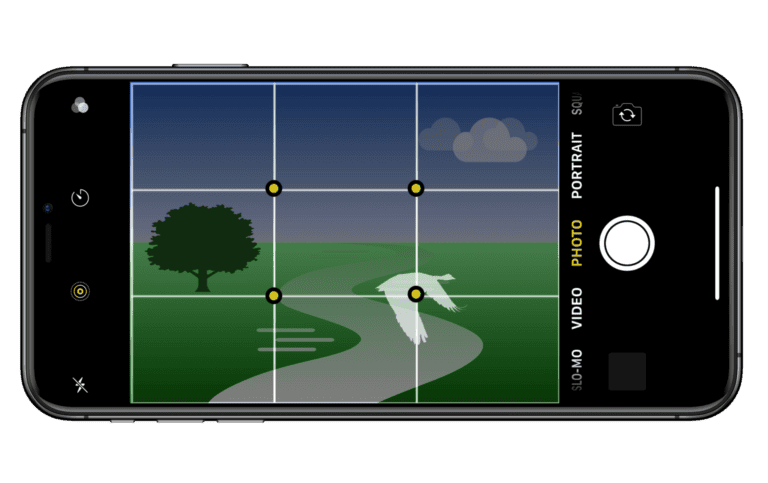
The Rule of Thirds is a composition technique that helps create visually appealing and balanced shots. It involves dividing the frame into nine equal sections using two horizontal and two vertical lines. These imaginary or visible grid lines form intersections known as focal points or power points.
When you place your subject or key elements along these lines or at their intersections, your composition naturally becomes more dynamic and engaging. This technique works for all types of photography and videography, from landscapes to portraits to action shots.
Why the Rule of Thirds Matters
- Enhanced Balance and Appeal:
- Positioning your subject off-center creates a natural balance, which is more visually pleasing than a centered composition.
- It directs the viewer’s attention to the most important parts of the frame while leaving room for the background or secondary elements.
- Versatility Across Styles:
- Whether you’re capturing people, products, or landscapes, the Rule of Thirds works across all genres.
- For example, in a product shot, aligning the product with a grid line ensures it remains the center of attention without overwhelming the frame.
- Dynamic Storytelling:
- Leaving negative space or showcasing the background adds context and depth, enriching the story you’re telling through your video.
- Avoids Static Frames:
- Centered compositions can feel static and less engaging, whereas off-center placements create movement and flow.
How to Enable Grid Lines on Your Smartphone
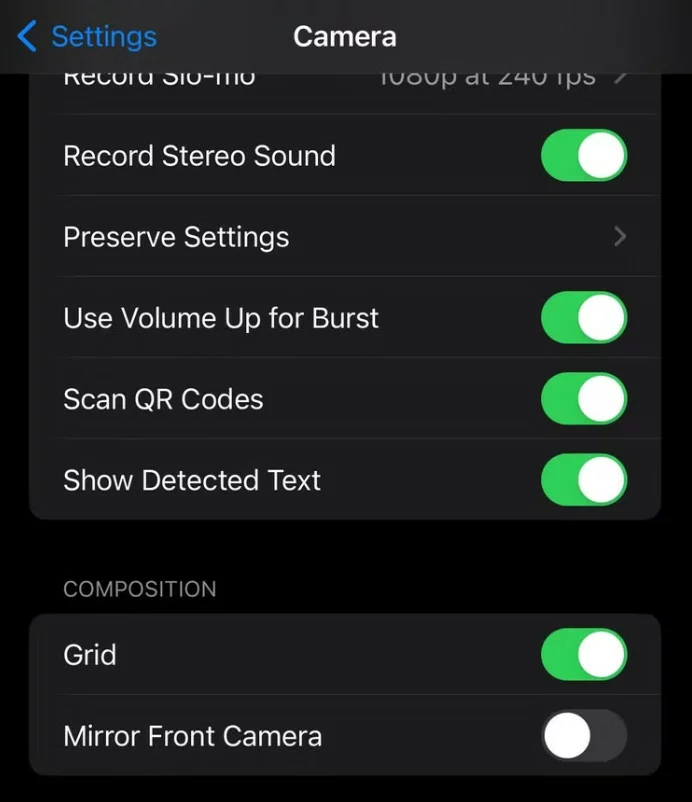
Most modern smartphones come equipped with a grid feature to help you use the Rule of Thirds effectively. Here’s how to enable it on popular devices:
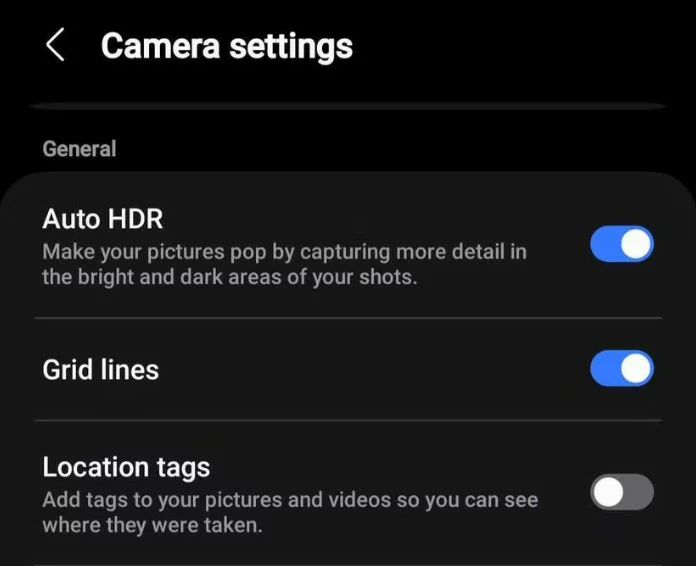
On an iPhone:
- Open the Settings app.
- Scroll down to the Camera section.
- Navigate to Composition and toggle on Grid.
On a Samsung Device:
- Open the Camera app.
- Go to Settings (gear icon).
- Look for Grid Lines and enable the feature.
Other Android Devices:
- Open your camera settings.
- Look for an option like Grid or Grid Lines under the settings menu.
- Toggle it on.
Having the grid lines visible on your screen makes it much easier to align your shots correctly.
How to Apply the Rule of Thirds
Once you’ve enabled the grid, you can start positioning key elements effectively. Here are some specific tips:
For Portraits and Close-ups:
- Align the subject’s eyes with the top horizontal line. This naturally draws attention to the face and makes the composition more engaging.
- Avoid centering the subject unless the shot calls for symmetry.
For Landscapes:
- Place the horizon along either the top or bottom horizontal line.
- If the sky is the focal point, position the horizon along the bottom line.
- If the ground or foreground is more important, align it with the top line.
For Action Shots:
- When filming moving subjects, leave space in front of the direction they are heading. This creates a sense of motion and gives the viewer context about where the subject is going.
For Product Shots:
- Position the product at one of the focal points or align it with a grid line. This ensures it’s the center of attention while leaving room for complementary elements like props or backgrounds.
Tips for Using the Rule of Thirds Effectively

- Balance Key Elements:
- Distribute multiple elements across the grid lines to maintain balance. For example, in an interview shot, position each person along opposite vertical lines.
- Mind the Background:
- Ensure the background adds depth and context without distracting from the main subject.
- Experiment with Focal Points:
- Test different intersections and grid lines to see which composition works best for your story.
- Practice with Static Shots:
- Start with still subjects like landscapes or stationary objects before attempting dynamic scenes.
When to Break the Rule of Thirds
While the Rule of Thirds is highly effective, there are times when breaking it can produce stunning results. Here are a few scenarios:
- Symmetry:
- Centering the subject in symmetrical compositions creates a striking and balanced image.
- Creative Effect:
- Placing the subject in unconventional areas of the frame can evoke a unique mood or artistic feel.
- Minimalism:
- For minimalist compositions, centering the subject with ample negative space can work beautifully.
- Personal Preference:
- Trust your instincts. If a composition feels right, go for it, even if it doesn’t follow the Rule of Thirds.
Why the Rule of Thirds Works
The Rule of Thirds appeals to our natural sense of aesthetics. Off-center compositions feel more dynamic because they mimic how our eyes naturally scan a scene. By guiding the viewer’s gaze to specific focal points, you ensure the most important parts of your story stand out.
This technique also enhances storytelling by leaving room for supporting details. For instance, in an interview shot, aligning the subject with a grid line allows the background to provide relevant context, such as a workplace or a product setup.
Conclusion
The Rule of Thirds is a simple yet transformative technique for anyone looking to improve their smartphone videography. By aligning key elements along the grid lines or intersections, you can create visually appealing and balanced compositions that captivate your audience.
Remember, this is a guideline, not a rigid rule. While it’s an excellent starting point, don’t hesitate to break it when your creative vision calls for something different. Whether you’re filming a breathtaking landscape, an engaging vlog, or a commercial product, the Rule of Thirds can help elevate your content to a professional level.