Introduction
In the digital age, data is the lifeblood of businesses. Database Administrators (DBAs) are the unsung heroes who ensure this data remains secure, accessible, and efficient. As we step into 2025, the role of DBAs continues to evolve with emerging technologies like AI, cloud computing, and big data. This guide dives deep into the world of DBAs, their types, responsibilities, and the skills needed to thrive in this critical field.
What is a Database Administrator (DBA)?
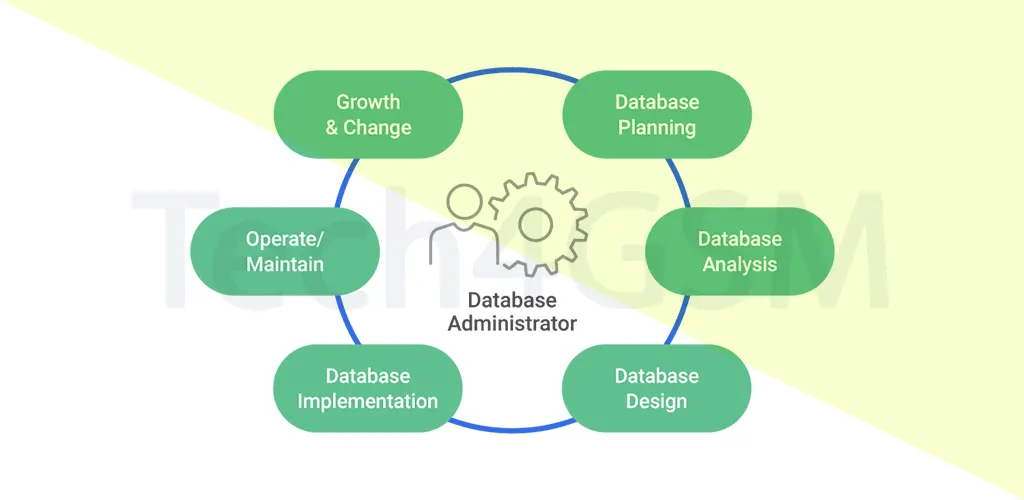
A Database Administrator (DBA) is a professional responsible for managing, securing, and optimizing an organization’s database systems. They act as the guardians of data, ensuring its availability, integrity, and performance. Key tasks include:
- Designing and implementing databases.
- Managing user access and security.
- Backing up data and enabling recovery.
- Monitoring performance and troubleshooting issues.
In 2025, DBAs are not just technical experts but strategic assets, aligning data management with business goals.
Types of Database Administrators in 2025
The DBA role has diversified into specialized niches. Here’s a breakdown:
1. Administrative DBA
Focus: Server maintenance and functionality.
- Key Tasks: Data backups, security audits, replication, and migration.
- Why They Matter: They keep databases running smoothly, minimizing downtime.
2. Data Warehouse DBA
Focus: Managing data warehouses.
- Key Tasks: Merging data from multiple sources, designing warehouses, and cleaning data.
- 2025 Trend: Rising demand due to the growth of big data analytics.
3. Cloud DBA
Focus: Managing cloud-based databases (e.g., AWS, Azure).
- Key Tasks: Optimizing cloud storage, ensuring compliance, and cost management.
- 2025 Trend: With 80% of companies adopting cloud solutions, this role is booming.
4. Development DBA
Focus: Building databases and writing queries.
- Key Tasks: Creating stored procedures, optimizing SQL code.
- Tools: SQL, Python, and tools development kits.
5. Application DBA
Focus: Managing databases tied to specific apps.
- Key Tasks: Cloning databases, managing upgrades, and data loads.
6. Data Architect
Focus: Designing database structures.
- Key Tasks: Creating schemas, ensuring scalability.
7. OLAP DBA
Focus: Building multi-dimensional cubes for analytics.
- 2025 Trend: Increased use in AI-driven business intelligence.
8. Task-Oriented DBA
Focus: Specializing in niche areas like backup/recovery.
- Common in: Large enterprises requiring expert-level skills.
9. Database Analyst
Focus: Bridging data analysis and administration.
- Key Tasks: Data profiling, reporting.
Why Are DBAs Critical in 2025?
- Data Security: With cyberattacks rising, DBAs enforce encryption and access controls.
- Disaster Recovery: They ensure 99.9% uptime through backups and failover systems.
- Performance Tuning: Slow databases cost businesses—DBAs optimize query speeds.
- Compliance: Meeting GDPR, CCPA, and other regulations is a top priority.
Example: A healthcare DBA ensures patient records are secure yet accessible, complying with HIPAA laws.
Roles and Duties of a DBA
1. Deciding Hardware and Software
- Action: Selecting cost-effective servers, storage, and DBMS (e.g., Oracle, MySQL).
- 2025 Insight: Hybrid setups (cloud + on-premise) are trending.
2. Ensuring Data Integrity
- Action: Validating data accuracy and consistency.
- Tool Alert: Use integrity tools for automated checks.
3. Managing Accessibility
- Action: Granting role-based access (e.g., read-only for interns).
4. Database Design and Implementation
- Action: Creating logical/physical models and loading initial data.
5. Performance Monitoring
- Action: Using tools like SolarWinds to track query speeds.
6. Backup and Recovery Planning
- Action: Scheduling automated backups and testing recovery drills.
Key Skills for DBAs in 2025
Technical Skills
- SQL Mastery: Writing efficient queries.
- Cloud Expertise: AWS, Azure, or Google Cloud certifications.
- Data Modeling: Tools like ERwin or Lucidchart.
- Automation: Scripting with Python or PowerShell.
Soft Skills
- Problem-Solving: Diagnosing issues like slow queries.
- Communication: Explaining technical details to non-tech stakeholders.
- Adaptability: Learning AI-driven database tools.
FAQs About Database Administrators
Q1: What are three key facts about DBAs?
- They design databases tailored to business needs.
- They ensure compliance with data laws.
- They’re vital for disaster recovery and minimizing downtime.
Q2: What’s a basic task for a DBA?
Installing DBMS updates, tuning performance, and managing user access.
Q3: What knowledge is required for a DBA?
DBAs need SQL, cloud management, security protocols, and problem-solving skills.
Conclusion
In 2025, Database Administrators remain pivotal in harnessing data’s power. From cloud migrations to AI integration, their role is more dynamic than ever. Whether you’re an aspiring DBA or a business leader, understanding these facets ensures you stay ahead in the data-driven world.