Introduction
Imagine watching your favorite TV show while waiting for a bus or during a lunch break—without needing Wi-Fi or mobile data. That’s exactly what DVB-H promised back in the 2000s! Let’s explore this groundbreaking tech that aimed to revolutionize how we consumed media on the go.
What Is DVB-H?
DVB-H, short for Digital Video Broadcasting – Handheld, was a European innovation designed to beam live TV directly to mobile phones and portable devices. Think of it as a “TV antenna for your pocket,” built on the backbone of DVB-T (the standard for digital terrestrial TV). But unlike DVB-T, DVB-H was optimized for smaller screens, shaky signals, and battery life. It used clever tricks like time-slicing to save power and strong error correction to keep your show streaming, even in moving trains!
A European Standard for Mobile TV
Europe has always been a pioneer in broadcasting tech, and DVB-H was no exception. Born to solve the challenge of delivering TV to handheld devices, this standard was tailored for smartphones, PDAs, and early tablets. Here’s why it stood out:
- Battery-Friendly: Reduced power consumption so your phone didn’t die mid-episode.
- Robust Signals: Built to handle the challenges of mobile viewing (like tunnels or tall buildings).
- Free-to-Air Access: Unlike streaming apps, DVB-H could offer free channels, just like traditional TV.
While it never became a household name like 4G or Netflix, DVB-H laid the groundwork for today’s mobile entertainment.
2007: The Year DVB-H Went Global
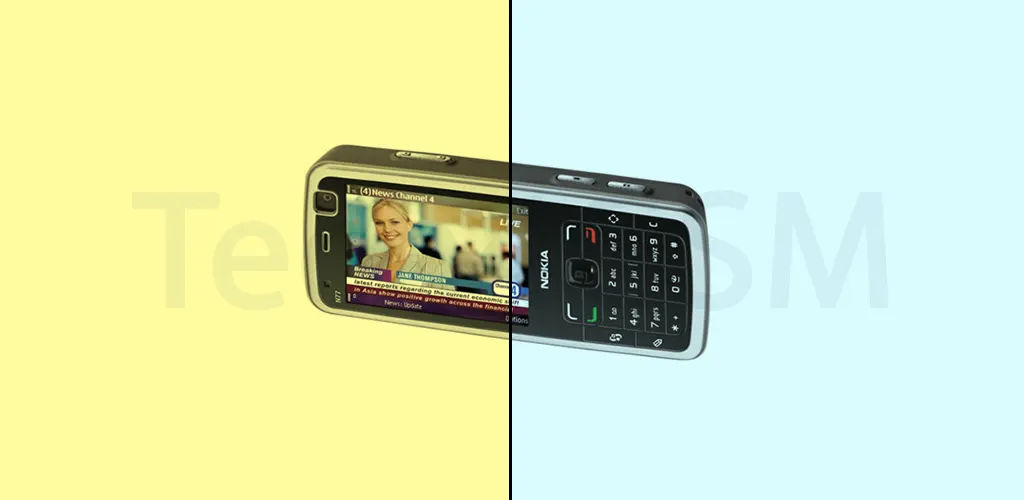
By 2007, Europe wasn’t just testing DVB-H—it was sharing the revolution. Countries like Finland, Germany, and Italy launched live trials, letting users stream news, sports, and shows on Nokia phones and other devices. But the excitement wasn’t limited to Europe! The U.S., South Africa, and Vietnam also joined the experiment.
These trials tested everything:
- How well signals worked in crowded cities.
- Whether users actually wanted TV on tiny screens (spoiler: they did!).
- Balancing ads, content, and costs for broadcasters.
Despite early hype, DVB-H faced hurdles like limited device support and competition from rising 3G networks. Yet, its trials proved one thing: people craved mobile TV—a demand now fulfilled by today’s streaming giants.
Why DVB-H Still Matters
While DVB-H didn’t dominate the market, its legacy lives on. It inspired hybrid broadcast-streaming services and showed the world the potential of live mobile media. Next time you watch a live game on your phone, remember—it all started with pioneers like DVB-H!