Introduction
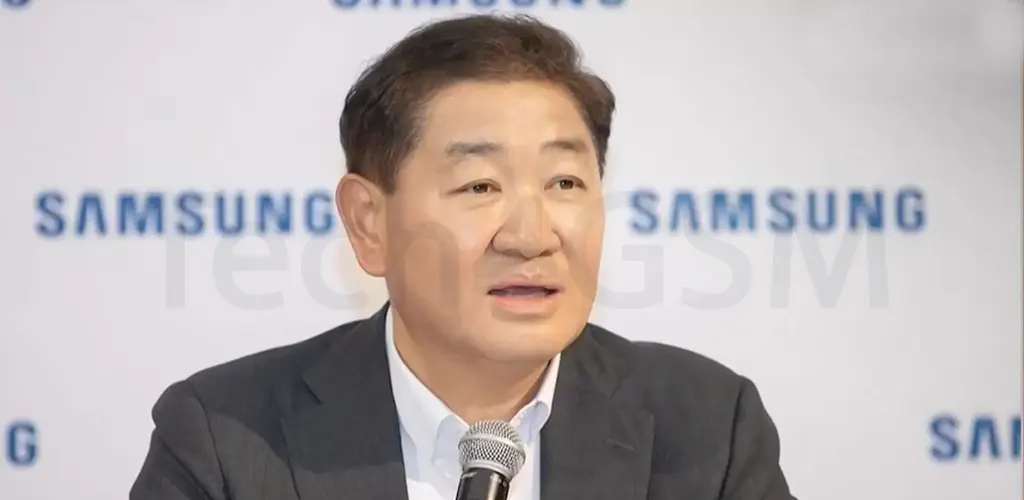
SEOUL, March 25 (Reuters) – In a shocking turn of events, Samsung Electronics co-CEO Han Jong-hee passed away at 63 due to a cardiac arrest, leaving the tech giant grappling with leadership changes during a critical phase of restructuring. Han, who oversaw the consumer electronics and mobile divisions, was instrumental in shaping Samsung’s global dominance. His sudden demise shifts full leadership responsibility to newly appointed CEO Jun Young-hyun, as the company battles underperformance in its chip division and navigates turbulent trade landscapes.
A Legacy Built Over Four Decades: Han Jong-hee’s Journey
Han Jong-hee’s career at Samsung spanned nearly 40 years, beginning in the 1980s when he joined the company’s television division. Known for his visionary strategies, Han transformed Samsung’s TV business into a global powerhouse. Under his leadership, Samsung TVs became synonymous with innovation, introducing cutting-edge technologies like QLED and MicroLED screens.
“Han was the architect behind Samsung’s TV supremacy,” remarked an industry analyst, who requested anonymity. “His ability to anticipate market trends and invest in bold marketing campaigns set Samsung apart from competitors like LG and Sony.”
By 2022, Han’s expertise earned him the co-CEO role, where he expanded his influence over mobile devices and home appliances. His sudden passing raises questions about the future of Samsung’s consumer divisions, which contributed over 40% of its 2023 revenue.
Samsung’s Leadership Crisis: What Happens Next?
Samsung has traditionally operated under a dual-CEO structure, splitting oversight between semiconductors (Jun Young-hyun) and consumer electronics (Han). With Han’s death, Jun now faces the colossal task of steering both divisions. A company spokesperson confirmed, “No successor has been named yet,” sparking speculation about internal promotions or external hires.
Analysts suggest Samsung might consolidate leadership under Jun temporarily, but the absence of Han’s marketing genius could weaken its competitive edge. “Han’s knack for storytelling and brand positioning was unmatched,” the analyst added. “His absence might slow down product launches, especially in premium segments like 8K TVs and foldable phones.”
2025: A “Difficult Year” Ahead for Samsung
At a recent shareholder meeting, Han warned that 2025 would be “challenging” due to escalating U.S.-China trade tensions and tariffs. He emphasized leveraging Samsung’s global supply chain to mitigate risks, but shareholders expressed frustration over the company’s lagging stock performance.
Samsung’s failure to capitalize on the AI boom has been a sore point. While rivals like SK Hynix secured contracts with NVIDIA for high-bandwidth memory (HBM) chips critical for AI GPUs, Samsung struggled to innovate. “We apologize for not meeting expectations in the AI semiconductor market,” Han admitted during the meeting.
The AI Chip Race: Can Samsung Catch Up?
Samsung’s semiconductor division, once a market leader, now trails SK Hynix in HBM chip production. These chips are vital for training AI models, and NVIDIA’s reliance on SK Hynix has dented Samsung’s reputation. Jun Young-hyun, who previously revitalized the battery division, must now prioritize R&D investments to close this gap.
Industry experts warn that delays in HBM4 chip development could cost Samsung key clients, including Google and Amazon.
Home Appliances and Trade Wars: Double Trouble
Han’s death also casts uncertainty over Samsung’s home appliance division, which faces stiff competition from Whirlpool and LG. Rising tariffs and supply chain disruptions complicate efforts to boost profitability. Han had hinted at price adjustments and localized production to counter trade wars, but his sudden exit leaves strategies in limbo.
“The home appliance market is saturated,” noted an insider. “Without Han’s aggressive pricing tactics, Samsung might lose ground in emerging markets like India and Brazil.”
Automotive Electronics: Samsung’s New Frontier?
In a bid to diversify, Samsung is quietly expanding into automotive electronics, targeting partnerships with EV makers. Chairman Jay Y. Lee’s recent visit to Xiaomi and BYD factories in China fueled rumors of collaborations in battery tech and in-car systems.
“The automotive sector could offset losses in semiconductors,” revealed a source. However, Lee’s ongoing legal battles—including a recent acquittal in a succession fraud case—add unpredictability to Samsung’s governance.
Chairman Jay Y. Lee’s China Trip: Strategic Moves or Distraction?
Photos of Lee touring Xiaomi’s Beijing factory and BYD’s Shenzhen headquarters went viral on Chinese social media. While Samsung declined to comment, analysts speculate the trips aim to strengthen ties with Chinese tech giants amid U.S. sanctions.
Han Jong-hee’s Final Public Appearance: A Poignant Farewell
Han was scheduled to headline Samsung’s home appliance launch on March 26, showcasing AI-powered refrigerators and air purifiers. His absence will loom large over the event, symbolizing the uncertainty ahead.
“He wasn’t just a CEO; he was a storyteller who connected products with people,” a colleague shared.
Conclusion: A Legacy of Innovation Amid Unfinished Battles
Han Jong-hee’s death marks the end of an era for Samsung. As Jun Young-hyun takes the helm, the company must address pressing challenges in AI, tariffs, and leadership stability. Han’s legacy—a blend of bold marketing and technological ambition—will inspire, but Samsung’s ability to adapt without him remains untested.