Introduction
Ever wonder why your smartphone screen feels buttery smooth, or how your speaker pumps out crisp bass? Meet Hz (Hertz)—the invisible heartbeat of technology that makes everything from videos to music just work. Let’s break down this tiny unit of measurement in plain language and see why it’s a big deal.
Hz Explained: The “Beats Per Second” of Tech
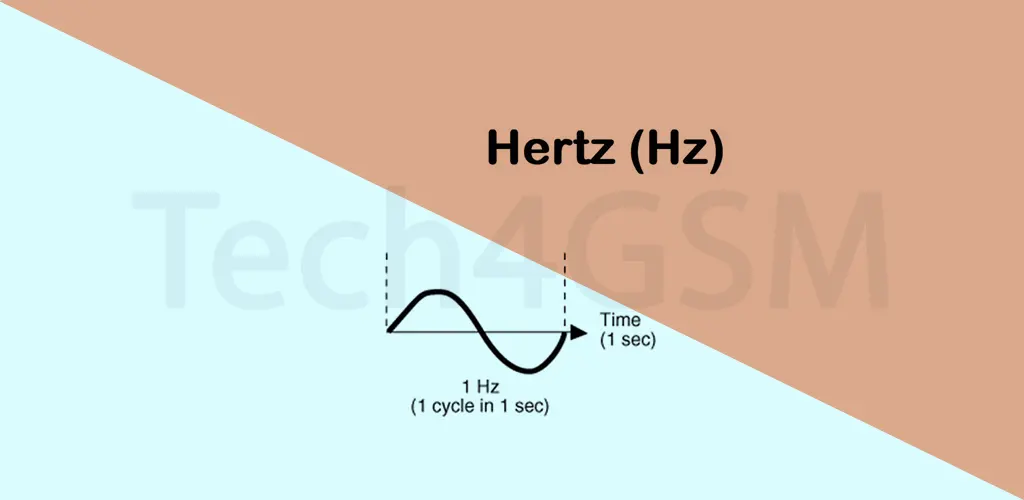
Hertz (Hz) measures how often something happens in one second. Think of it like a metronome:
- 1 Hz = 1 cycle per second.
- 60 Hz = 60 cycles per second (like a ticking clock on fast-forward).
Whether it’s a screen refreshing, a speaker vibrating, or a processor crunching data, Hz is the rhythm keeper.
Where Do You See Hz in Daily Life?
- Screens & Monitors:
- A 60Hz screen refreshes 60 times per second.
- A 120Hz phone display feels smoother for scrolling and gaming.
- Sound & Music:
- Human hearing ranges from 20Hz (deep bass) to 20,000Hz (high-pitched whistles).
- A guitar string vibrating at 440Hz plays the note “A.”
- Processors:
- A 3.5GHz CPU performs 3.5 billion cycles per second!
Fun Fact: Flickering light bulbs often pulse at 50Hz or 60Hz—too fast for your eyes to notice!
Why Should You Care About Hz?
- Screens: Higher Hz = smoother motion (great for gamers!).
- Audio: Lower Hz = deeper bass; higher Hz = sharper treble.
- Batteries: Devices with variable refresh rates (e.g., 1Hz-120Hz) save power.
Pro Tip: When buying a TV or phone, check the Hz rating—it’s a game-changer for visuals.
Hz Myths Busted
- “More Hz Always = Better”: Not true! A 90Hz screen drains battery faster than 60Hz.
- “Human Eyes Can’t See Beyond 60Hz”: Many people notice smoother motion at 120Hz+.
- “All Speakers Need High Hz”: Subwoofers focus on low Hz (bass), tweeters handle highs.
How to Test Hz on Your Devices
- Screens: Use online “Hz test” videos or settings menus.
- Speakers: Apps like Spectroid show real-time frequency output.
- Phones: Enable “Show refresh rate” in developer options (Android).
Caution: Don’t confuse Hz with megapixels or RAM—they measure different things!
Hz’s Tech Evolution: From Radios to 5G
- 1920s Radios: First popular use of Hz (kilohertz ranges).
- 1980s Processors: MHz (megahertz) became a selling point for PCs.
- 2020s Displays: Smartphones boast 120Hz+ screens for silky scrolling.
What’s next? THz (terahertz) tech for future 6G networks and medical imaging!
Final Thoughts
Hz is the quiet hero behind your tech’s performance, blending science into everyday magic. Whether you’re binge-watching, gaming, or just scrolling social media, those tiny cycles per second make it all feel effortless. Next time your screen wows you, thank Hertz!