Introduction
In the ever-evolving world of technology, input and output (I/O) devices remain the bridge between humans and computers. These tools let us interact with machines, send commands, and receive results. By 2025, advancements in I/O devices will continue to reshape how we work, play, and communicate. Let’s explore these devices in simple, easy-to-understand language.
What Are Input and Output Devices?
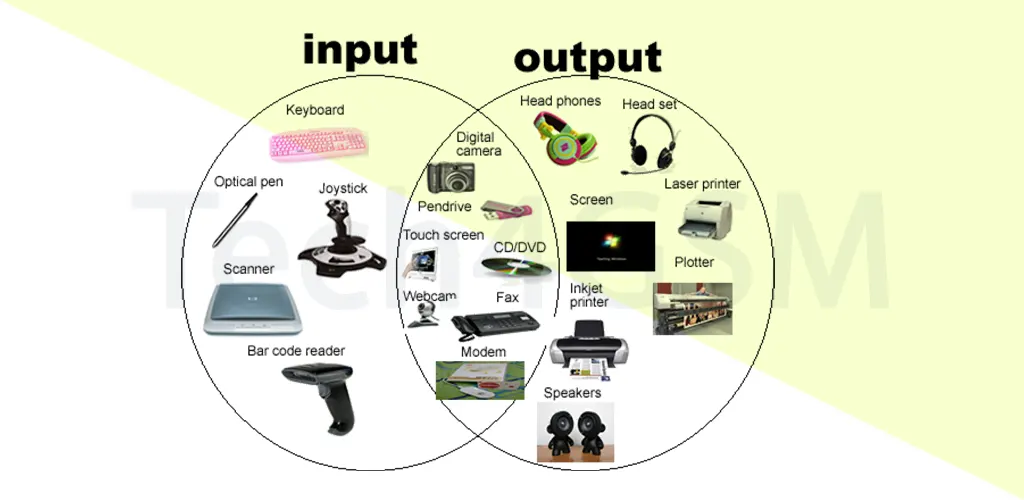
An input/output (I/O) device is any hardware that allows users or systems to communicate with a computer. Input devices send data to the computer, while output devices deliver results from the computer. Hybrid devices combine both functions.
For example, a touchscreen (hybrid device) lets you tap icons (input) and displays apps (output).
1. Input Devices
Input devices feed data into computers. Here’s a breakdown of key tools in 2025:
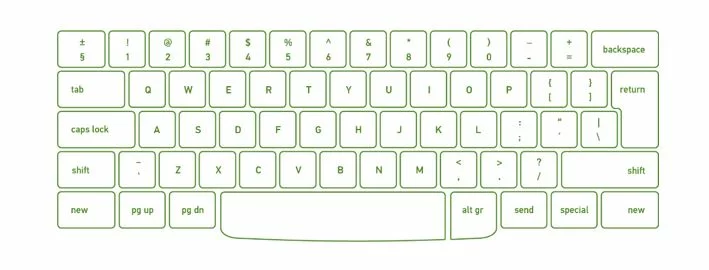
A. Keyboard
- Function: Typing text, shortcuts, and commands.
- Types:
- Mechanical Keyboards: Durable, tactile feedback (popular for gaming).
- Membrane Keyboards: Quiet, affordable (common in offices).
- Wireless Keyboards: Bluetooth/USB-enabled for clutter-free setups.
- 2025 Upgrades: Self-charging keys, AI-predictive typing, and holographic projections.
Pro Tip: Gamers prefer RGB-backlit mechanical keyboards for precision.

B. Mouse
- Function: Controls cursor movement and clicks.
- Types:
- Optical Mouse: Uses LED sensors for accuracy.
- Trackball Mouse: Stationary ball for ergonomic use.
- 3D Mouse: Navigates 3D designs (used in CAD software).
- 2025 Trends: Gesture control, health sensors (tracks grip stress).

C. Joystick
- Function: Controls movement in games or simulations.
- Uses: Flight simulators, robotic surgery, and VR gaming.
- 2025 Innovations: Haptic feedback for realistic vibrations.
D. Scanner
- Function: Converts physical documents/images into digital files.
- Types:
- Flatbed Scanners: High-resolution scans for photos.
- Portable Scanners: Pocket-sized for on-the-go use.
- 3D Scanners: Creates digital models of objects (used in manufacturing).

E. Webcam
- Function: Captures video for calls, streaming, or recording.
- 2025 Features: 8K resolution, auto-framing, and low-light optimization.
F. Microphone
- Function: Records audio for calls, podcasts, or voice commands.
- 2025 Upgrades: Noise cancellation, voiceprint security.
G. Specialized Input Tools
- OCR (Optical Character Reader): Scans text from books/signs (used in libraries).
- MICR (Magnetic Ink Reader): Processes bank cheques securely.
- Biometric Scanners: Fingerprint/face recognition for logins.
2. Output Devices
Output devices display or transmit processed data. Here’s what’s trending in 2025:

A. Monitor
- Function: Displays visuals (text, images, videos).
- Types:
- OLED Monitors: Vibrant colors, perfect blacks.
- Curved Monitors: Immersive viewing for gamers.
- E-Ink Monitors: Eye-friendly, used in digital signage.
- 2025 Resolution: 16K screens for ultra-detailed visuals.
B. Printer
- Types:
- Laser Printers: Fast, high-volume printing (offices).
- Inkjet Printers: Affordable photo printing.
- 3D Printers: Creates physical objects layer-by-layer (used in healthcare).
- Eco-Upgrades: Solar-powered printers, recyclable ink.
C. Speakers & Headphones
- Function: Deliver audio for music, alerts, or calls.
- 2025 Tech:
- Spatial Audio: 360° sound for movies/games.
- Bone Conduction Headphones: Leaves ears open for ambient noise.
D. Projectors
- Function: Displays large-screen visuals.
- 2025 Innovations: Holographic projectors, pocket-sized 4K models.
E. Braille Reader
- Function: Converts text into tactile Braille for visually impaired users.
- 2025 Models: Refreshable e-paper, voice-Braille integration.
F. GPS (Global Positioning System)
- Function: Provides real-time navigation.
- 2025 Upgrades: AI-driven traffic predictions, drone integration.
3. Hybrid Devices (Input & Output)
These dual-purpose devices are revolutionizing tech in 2025:
A. Touchscreen
- Input: Tap, swipe, or write.
- Output: Displays apps, videos, or drawings.
- Uses: Smartphones, ATMs, interactive kiosks.
B. External Hard Drive
- Input: Saves files from a computer.
- Output: Retrieves data for transfer/backup.
- 2025 Capacity: 50TB+ storage in pocket-sized drives.
C. USB Flash Drive
- Function: Portable storage for files.
- 2025 Features: Self-encryption, wireless sharing.
FAQs
Q1: Can one device handle both input and output?
Yes! Touchscreens and USB drives are examples. They send/receive data seamlessly.
Q2: How do wireless devices connect?
Most use Bluetooth 5.3 or Wi-Fi 6E for fast, stable links.
Q3: What’s new in 2025 input devices?
AI-powered gesture controls, self-healing keyboards, and emotion-sensing mics.
Q4: Why do monitors have multiple HDMI ports?
To connect PCs, consoles, and streaming sticks simultaneously.
Q5: Are printers still relevant in 2025?
Yes! 3D printers are revolutionizing industries like healthcare (printing organs) and construction.
Final Thoughts
From keyboards to holographic projectors, I/O devices are the backbone of computing. As 2025 approaches, expect smarter, eco-friendly, and user-centric designs.