Introduction
Ever seen a smartphone ad boasting “50MP camera!” and wondered, “What does that even mean?” Let’s demystify megapixels—the unsung heroes behind every crisp selfie and stunning sunset pic—in plain, jargon-free language.
What is a Megapixel?
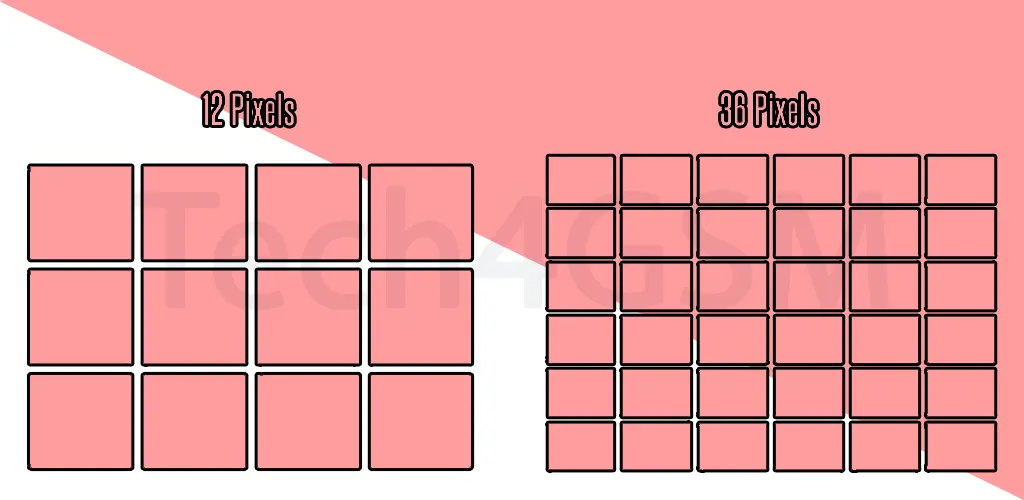
A megapixel (MP) is one million tiny dots (pixels) that form a digital image. The word “pixel” comes from “pix” (short for “picture”) and “el” (for “element”). Think of pixels as microscopic puzzle pieces: the more you have, the sharper and more detailed the final image.
For example:
- A 12MP photo = 12 million pixels arranged in a grid (like 4000×3000 pixels).
- A 50MP photo = 50 million pixels—great for capturing fine details like eyelashes or leaf textures.
How Do Megapixels Affect Photo Quality?
More megapixels mean:
- Sharper Details: You can zoom in without the image turning blurry.
- Larger Prints: High-megapixel photos look crisp even on posters.
- Cropping Flexibility: Edit or crop part of a photo without losing clarity.
But here’s the catch: Megapixels aren’t everything. A 12MP photo from a high-end camera can look better than a 100MP shot from a cheap sensor. Why? Because sensor size, lens quality, and software matter too!
The Megapixel Myth: Bigger Isn’t Always Better
- Social Media: Uploading a 50MP photo to Instagram? The app compresses it to ~2MP. Those extra pixels go to waste!
- Low Light: More megapixels on a tiny sensor can mean grainy photos in dim settings.
- Storage Hog: A 100MP photo eats up 30-50MB of space—fast way to fill your phone!
Pro Tip: For most users, 12MP-50MP is plenty. Focus on sensor quality (like “large 1-inch sensor”) over megapixel count alone.
Fun Fact: The First Megapixel Camera
In 1986, Kodak invented the first 1.3MP digital camera. It weighed 3.6 kg (8 lbs) and stored photos on a floppy disk. Today, even budget phones pack 10x that resolution!
When Do Megapixels Matter?
- Professional Photography: High MP counts help when printing billboards or editing fine details.
- Cropping: Wildlife photographers use high MP to zoom into distant subjects.
- Future-Proofing: Want to print family photos decades later? Higher MP preserves quality.
How to Choose the Right Megapixel for You
- Casual Snapper: 12MP-25MP is perfect for social media and family albums.
- Content Creator: 50MP+ gives flexibility for editing and cropping.
- Pro Photographer: Prioritize sensors and lenses first, then megapixels.
Final Thoughts
Megapixels are like spices in cooking: too few, and your photo lacks flavor; too many, and it’s overwhelming. The key is balance. Next time you’re phone-shopping, remember—resolution is just one ingredient in the recipe for great photos.