Introduction
Ever tried snapping a photo of a bird in a tree or your kid scoring a goal, only to end up with a blurry, pixelated mess? That’s where Optical Zoom comes to the rescue! Let’s break down how it works and why it’s a game-changer for your photos.
What is Optical Zoom?
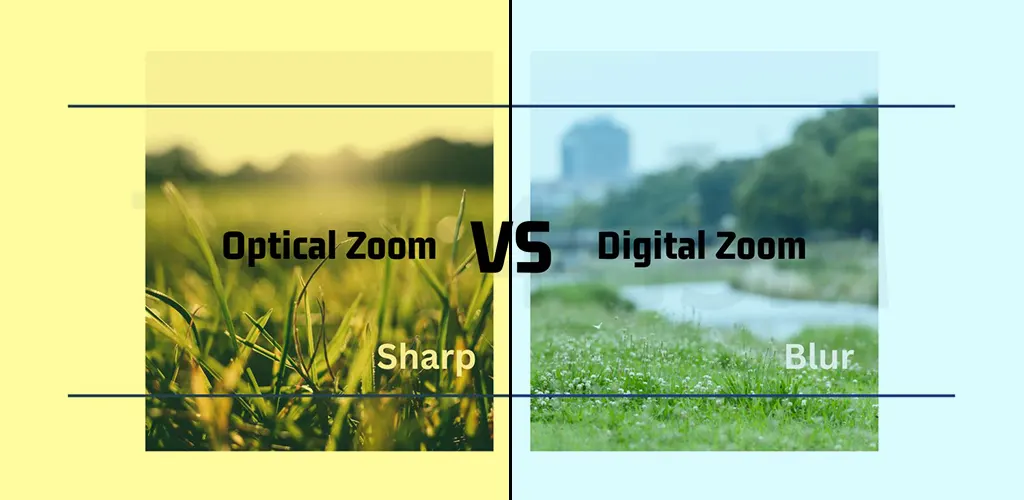
Optical Zoom is like having a mini telescope inside your camera or smartphone. It uses moving lenses to physically adjust and bring far-away subjects closer, making them fill your photo without losing detail. Think of it as actually “zooming in” with your eyes—no shortcuts!
How Does Optical Zoom Work?
- Real Lenses, Real Magic: The camera’s lens moves forward or backward to magnify the scene. This physical adjustment captures more light and detail.
- No Cheating: Unlike digital zoom, it doesn’t crop or stretch pixels. You get a crisp, clear image every time.
- Perfect for Distance: Whether it’s a mountain range or a birthday cake across the room, optical zoom keeps your shots sharp.
Digital Zoom: The Sneaky Illusion
Many phones and cameras brag about “10x Digital Zoom!” but here’s the truth:
- It’s Just Cropping: Digital zoom works like editing a photo after you take it. It cuts out the edges and blows up the remaining part, making everything look grainy.
- Quality Killer: The more you zoom digitally, the more your photo looks like a puzzle with missing pieces. Details vanish, colors fade, and noise creeps in.
- Marketing Hype: Brands love advertising big zoom numbers, but digital zoom rarely lives up to the promise.
Why Optical Zoom Wins Every Time 🏆
- Sharper Details: Optical zoom captures real information, not guesses.
- Better in Low Light: More light enters through the moving lenses, brightening your shots.
- No Pixelation: Your photos stay smooth, even when zoomed.
- Pro-Level Shots: Wildlife photographers and sports reporters rely on optical zoom—not digital tricks.
“But My Phone Has 100x Zoom!” – What to Watch Out For
Some smartphones mix optical + digital zoom for higher ranges. For example:
- A phone might offer 5x optical zoom but use software to push it to 50x. The result? Only the first 5x stays crisp—the rest is digital guesswork.
- Always check the specs: Look for “optical zoom range” to know the true zoom power.
Tips for Choosing the Right Zoom
- Prioritize Optical Zoom: If you love capturing distant subjects, opt for devices with higher optical zoom (e.g., 3x, 5x, or 10x).
- Ignore Digital Zoom Numbers: A 100x digital zoom is just a fancy way of saying “crop and enlarge.”
- Test Before Buying: Zoom in fully at a store—if the image turns blurry, it’s relying on digital zoom.
Final Thoughts
Optical zoom is your best friend for capturing life’s moments clearly, whether it’s a sunset or your pet’s silly antics. Digital zoom? It’s like trying to read a billboard from a mile away—without glasses.
Remember: Real lenses > Software tricks. Next time you’re device shopping, zoom in on the optical specs! 📷✨