Introduction
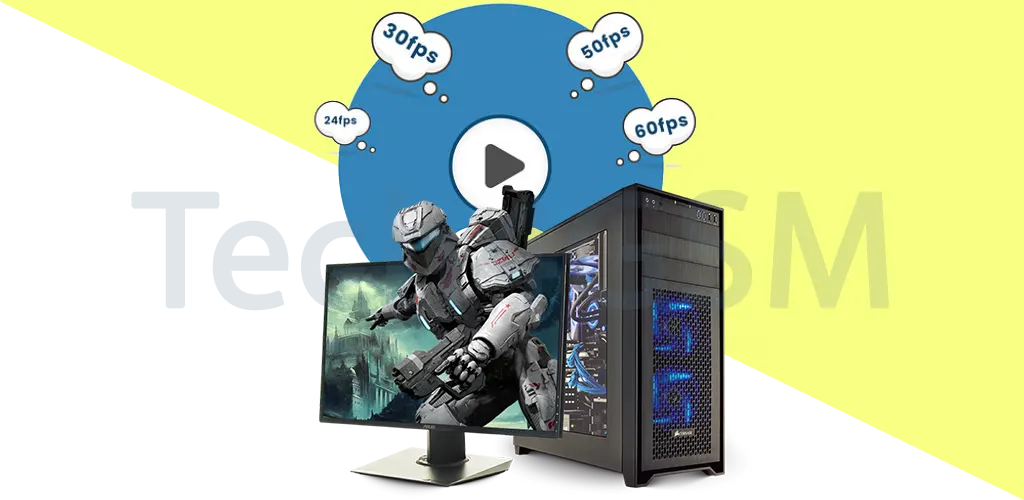
PC gaming is an exciting world, but ensuring smooth gameplay requires understanding and optimizing your system’s performance. One of the most important metrics to monitor is Frames Per Second (FPS), which determines how smoothly your games run. This guide will help you test your PC’s gaming performance and check FPS efficiently, ensuring you get the most out of your hardware.
To improve your PC gaming experience, you must make the perfect adjustments to get the ideal level of fluid gameplay. First of all, updating your graphics drivers is like giving your computer a boost. In addition to maintaining stability, such upgrades can extract more performance for the newest games. The in-game settings come next. Performance can be greatly affected by your choices for texture quality, shadows, and anti-aliasing. The key is striking a balance between smooth FPS and eye candy.
Additionally, resolution scaling is a cunning tactic to be aware of. You can get a reasonable performance improvement by lowering that scale without significantly compromising visual integrity. Additionally, remember to control those background processes. The smoothness of a game may be greatly improved by shutting down everything superfluous before starting it. Additionally, overclocking is always an option if you’re feeling daring. Just watch those temperatures and make sure you know what you’re doing.
If you execute it correctly, it may seriously kick your system in the ass. In this post, we’ll show you how to check your PC’s gaming performance and find out how many frames per second you’re getting with your current setup. In certain competitive games, the best frame rate is essential to winning, and in games like souslike, it may also dictate how accurate your motions may be.
It might not seem like much work to improve the performance of your favorite PC games, especially if you’re excited to get started. However, you may completely change your gaming experience by making little adjustments to your game’s FPS dashboard, particularly while playing competitive online battles. A useful guide to maximizing the performance of your favorite PC games may be found below. Via.
What is FPS in Gaming?
Frames Per Second (FPS) measures the number of frames your system displays per second during gameplay. A higher FPS means smoother animations, faster reactions, and an overall better gaming experience.
- Importance of FPS:
- Smoother Gameplay: High FPS ensures fluid animations, especially in fast-paced games.
- Competitive Advantage: In games like Counter-Strike or Fortnite, higher FPS gives you quicker response times.
- Hardware Insight: Monitoring FPS helps identify performance bottlenecks in your system.
Why Monitoring FPS Matters
Tracking your FPS helps you:
- Understand Your PC’s Performance: Check if your system meets the game’s requirements.
- Optimize Settings: Adjust in-game options for smoother gameplay.
- Ensure Stability: Detect and resolve potential issues before they affect gameplay.

How to Enable FPS Counters in Popular Platforms
1. Steam
Steam makes it easy to track FPS during gameplay. Here’s how:
- Step 1: Open Steam and click on the “Steam” menu at the top-left corner.
- Step 2: Select “Settings.”
- Step 3: Navigate to the In-Game tab.
- Step 4: Check the box labeled In-game FPS counter and choose its position on your screen.
Tip: Steam’s FPS counter provides basic metrics but lacks detailed performance data.
2. Xbox Game Bar (Windows 11)
Windows 11 users can monitor FPS with the Xbox Game Bar.
- Step 1: Press Windows Key + G to open the Xbox Game Bar.
- Step 2: Click on the Performance tab.
- Step 3: In the settings, ensure the FPS option is checked.
You can also view CPU and GPU usage alongside FPS for comprehensive performance monitoring.
3. EA Origin
For gamers using the EA Origin launcher:
- Step 1: Click on Origin in the top-left corner of the client.
- Step 2: Navigate to Application settings.
- Step 3: Under Origin in-game, scroll to Display FPS counter and customize its position.

4. Ubisoft Connect
Ubisoft’s platform offers a built-in FPS counter:
- Step 1: Open Ubisoft Connect.
- Step 2: Click the hamburger menu and select Settings.
- Step 3: Check the box for Display FPS counter in-game.
5. Nvidia GeForce Experience
Nvidia users can enable FPS tracking via GeForce Experience:
- Step 1: Press Alt + Z to open the overlay.
- Step 2: Click the Settings (cog icon).
- Step 3: Select HUD Layout > Performance, and enable the FPS counter.
GeForce Experience also allows you to track GPU and CPU usage for advanced monitoring.
What is the “Perfect” FPS for Gaming?
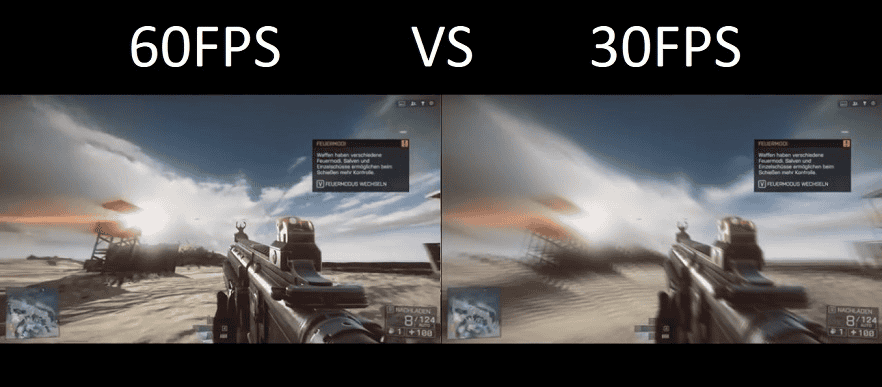
The ideal FPS depends on the type of game and your preferences:
- 30 FPS: Bare minimum for casual gaming.
- 60 FPS: Standard for smooth, enjoyable gameplay in most genres.
- 120 FPS or Higher: Essential for competitive gaming where every millisecond counts.
Tip: Competitive gamers often lower graphics settings to achieve higher FPS, prioritizing performance over visuals.
How to Optimize Your PC for Better FPS
Improving FPS isn’t just about hardware upgrades. Here are some practical tips:
1. Update Graphics Drivers
Keeping your drivers up-to-date ensures optimal performance. Driver updates often include performance enhancements for the latest games.
2. Adjust In-Game Settings
Tweaking settings like texture quality, shadows, and anti-aliasing can significantly boost FPS.
- Lowering texture quality reduces strain on your GPU.
- Disabling anti-aliasing can provide a noticeable performance boost.
3. Manage Background Processes
Close unnecessary applications to free up system resources. Use the Task Manager to identify and terminate resource-hogging processes.
4. Optimize Resolution Scaling
Lowering resolution scaling retains visual fidelity while improving performance.
5. Consider Overclocking
Overclocking your CPU or GPU can boost performance, but ensure proper cooling and monitor temperatures to avoid hardware damage.
Testing PC Gaming Performance
To thoroughly test your system’s gaming performance:
- Use Built-In Benchmarks
Many games include built-in benchmarking tools to evaluate FPS and hardware performance. - Third-Party Tools
Popular tools like MSI Afterburner, FRAPS, or Razer Cortex provide detailed performance metrics, including FPS, CPU, and GPU usage. - Stress Tests
Tools like 3DMark or Heaven Benchmark simulate intense gaming scenarios to test your hardware limits.
Why FPS Monitoring is Critical for Competitive Gaming
In fast-paced games, milliseconds matter. Monitoring FPS ensures your system can handle the demands of competitive play. It also allows you to adjust settings for optimal responsiveness and precision.
Conclusion
Testing your PC’s gaming performance and monitoring FPS are crucial steps for an optimal gaming experience. Whether you’re a casual gamer or a competitive player, understanding FPS helps you make informed decisions about hardware and settings.
By using built-in tools or third-party software, you can easily track and improve performance. Keep tweaking until you find that perfect balance between visuals and smooth gameplay.