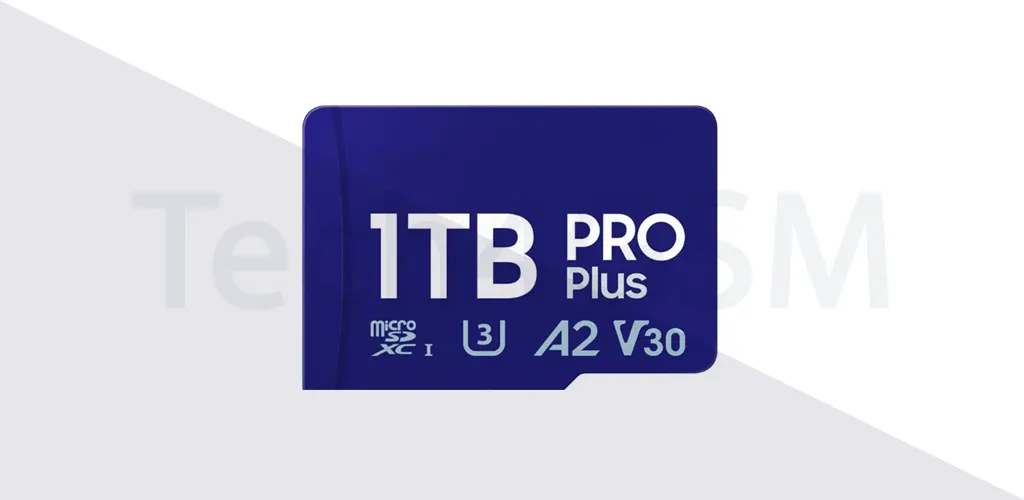
Introduction
Imagine a storage chip so small it fits under your fingernail, yet holds thousands of photos, songs, or apps. Meet TransFlash—the original name for what we now call microSD! This pint-sized powerhouse revolutionized how we store data, and it’s hiding in your phone, drone, or dashcam right now. Let’s unpack its journey from “TransFlash” to global fame!
What is TransFlash?
TransFlash (renamed microSD in 2005) is the world’s smallest removable memory card. Designed by SanDisk and Motorola in 2004, it was built to squeeze into slim mobile phones while packing serious storage chops.
TransFlash vs. microSD: What’s in a Name?
- 2004: Launched as TransFlash for mobile devices.
- 2005: Adopted by the SD Association and rebranded as microSD.
- Today: “TransFlash” is retro slang, but techies still use it nostalgically!
Fun Fact: The “SD” in microSD stands for Secure Digital—a nod to its encryption features.
Why TransFlash/microSD Rules
- Pocket-Sized: 15mm x 11mm—smaller than a SIM card!
- Huge Storage: From 128MB (2004) to 1.5TB today (yes, terabytes!).
- Universal Compatibility: Works in phones, cameras, drones, Switches, and even some laptops.
- Affordable: Get 256GB for less than a pizza!
Where You’ll Find microSD Cards Today
- Smartphones: Expand storage for apps, photos, and 4K videos.
- Action Cameras: Store hours of adventure footage.
- Nintendo Switch: Save games without deleting old favorites.
- Smart Home Devices: Security cameras, drones, or Raspberry Pi projects.
Pro Tip: Check your device’s max supported capacity on tech4gsm.com before buying!
The Evolution of TransFlash/microSD
| Era | Milestone |
|---|---|
| 2004 | TransFlash debuts (128MB–512MB). |
| 2005 | Renamed microSD; adopted as global standard. |
| 2010s | microSDHC (up to 32GB) and microSDXC (up to 2TB) arrive. |
| 2020s | microSDUC (up to 128TB theoretical!) and A2-rated cards for faster app performance. |
How to Choose the Right microSD Card
- Capacity: Match your needs (e.g., 128GB for casual photos, 1TB for 8K video).
- Speed Class:
- Class 10/UHS-I: HD video recording.
- UHS-III/V90: 4K/8K video, gaming.
- Durability: Waterproof, shockproof, or temp-resistant for extreme use.
Avoid fake cards: Buy from trusted brands (SanDisk, Samsung, Kingston) and verify on tech4gsm.com.
Why TransFlash’s Legacy Matters
- Pioneered Miniaturization: Proved big storage could fit in tiny formats.
- Democratized Data: Made expandable storage affordable for everyone.
- Tech Unifier: Same card works across phones, cameras, and consoles.
microSD Pro Tips
- Format New Cards: Prevents errors (do this in your device, not a PC!).
- Backup Regularly: Cards can fail—cloud or external drives save the day.
- Label Them: Avoid mix-ups if you have multiple cards.
The Future of microSD
- Higher Speeds: For 8K video and AI-driven devices.
- Larger Capacities: 2TB+ cards for data-heavy users.
- Integrated Security: Built-in encryption for sensitive files.
Wrapping Up
TransFlash (aka microSD) is the unsung hero of digital storage—tiny but mighty. From its humble 2004 debut to today’s terabyte titans, it’s the reason your phone isn’t clogged with “Storage Full” warnings. Next time you snap a photo or download a game, thank this little chip for making it possible!