Introduction
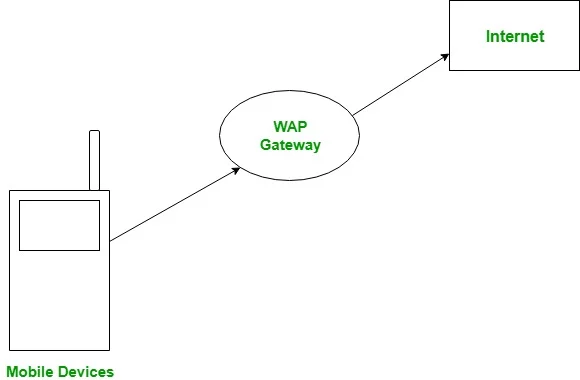
Remember the days when checking email on a phone meant squinting at a tiny screen? Thank WAP (Wireless Application Protocol)—the unsung hero that brought the internet to early mobile devices! While modern 5G and apps dominate 2025, WAP’s legacy lives on. Let’s explore how this protocol worked, why it mattered, and its role in today’s tech evolution.
What is WAP?
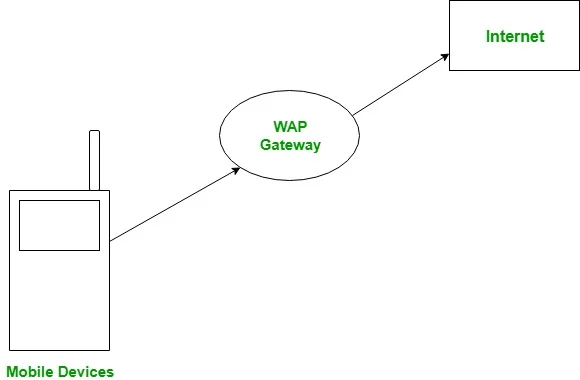
WAP is a set of rules that allowed old-school mobile phones (think Nokia 3310!) to access basic internet services. Unlike today’s HTML-powered browsers, WAP used WML (Wireless Markup Language), a simplified format for tiny screens.
- Born in 1998: Created by tech giants like Nokia and Ericsson via the WAP Forum.
- Mission: Make the internet accessible on limited hardware—no touchscreens or apps required!
- Evolution: Merged into the Open Mobile Alliance (OMA) in 2002 to unify mobile standards.
How WAP Worked: A Step-by-Step Guide
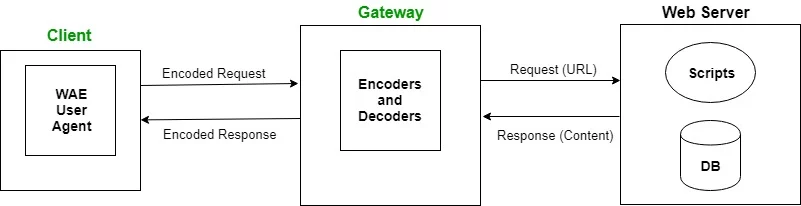
- User Request: You open a micro-browser (e.g., WAP browser) on your phone and type a URL.
- WAP Gateway: Your request goes to a WAP gateway, which translates it into a standard HTTP request.
- Web Server: The gateway sends this to a web server, which responds with a WML file (not HTML!).
- Display: The gateway converts the WML file into a mobile-friendly format for your device.

The WAP Protocol Stack
| Layer | Role |
|---|---|
| Application | Hosts WML for content creation. |
| Session | Manages connections (start/pause/resume). |
| Transaction | Ensures data delivery (like TCP/IP lite). |
| Security | Encrypts data with WTLS (pre-TLS). |
| Transport | Formats data for wireless networks. |
Why WAP Mattered
- For Users: First taste of mobile internet—check emails, news, or simple games.
- For Developers: Opened doors to create basic apps (e.g., banking, messaging).
- For Operators: No need to overhaul networks—just add a WAP gateway!
Advantages of WAP
✅ Free & Open: No licensing fees.
✅ Cross-Platform: Worked on any WAP-enabled device.
✅ Real-Time Data: Sent/received info instantly (for its time!).
✅ Low Hardware Needs: Ran on phones with minimal memory.
Disadvantages of WAP
❌ Slow Speeds: Dial-up-era mobile networks (2G) couldn’t handle much.
❌ Tiny Interface: Monochrome screens and numeric keypads.
❌ Weak Security: Prone to hacking compared to modern standards.
❌ Limited Content: Basic WML sites, no videos or complex graphics.
WAP 2.0: The Upgrade
In 2002, WAP 2.0 merged with HTTP/XHTML, ditching old gateways for faster, web-like browsing. It bridged the gap between WAP and today’s mobile internet!
FAQ: WAP in 2025
- Is WAP still used today?
Rarely—modern 4G/5G and HTML5 replaced it. But some legacy systems (e.g., IoT devices) might still use WAP principles. - What’s a micro-browser?
A lightweight browser for WAP sites (e.g., Nokia’s Mini Browser). Think of it as the “Lite” version of Chrome! - Could WAP stream videos?
No! It handled text and basic images—no YouTube here. - Was WAP secure?
WTLS offered basic encryption, but it’s outdated by 2025 standards. - What killed WAP?
Smartphones! iPhones (2007) and Android made HTML5 and apps the norm. - Where can I learn about retro mobile tech?
Dive into guides at tech4gsm.com—your hub for tech nostalgia!
Why WAP Still Matters
WAP was the gateway drug to mobile internet:
- Pioneered Mobile Data: Showed the world phones could do more than call/text.
- Inspired Modern Protocols: Lessons from WAP shaped LTE and 5G networks.
- Nostalgia Factor: A reminder of how far we’ve come—from WML to TikTok!
Final Thoughts
While WAP feels ancient in 2025, its DNA lives on in every mobile app and website. Next time you stream a video on your 5G phone, tip your hat to WAP—the protocol that started it all!