Introduction
The WWW (World Wide Web) is a global network of websites, documents, and multimedia linked through hyperlinks. Created in 1989 by Tim Berners-Lee at CERN, it’s like a giant digital library where you can explore information via browsers like Chrome or Safari.
A Brief History of the WWW
- 1989: Tim Berners-Lee invented the WWW to help researchers at CERN share data.
- 1991: The first website, info.cern.ch, went live.
- 1994: Formation of the World Wide Web Consortium (W3C) to standardize web technologies.
- 2025: The web continues evolving with AI, VR, and faster connectivity.
How Does the WWW Work?
Imagine the web as a city:
- Websites are buildings.
- Hyperlinks (clickable text/images) are roads connecting them.
- Browsers (Chrome, Firefox) are your cars.
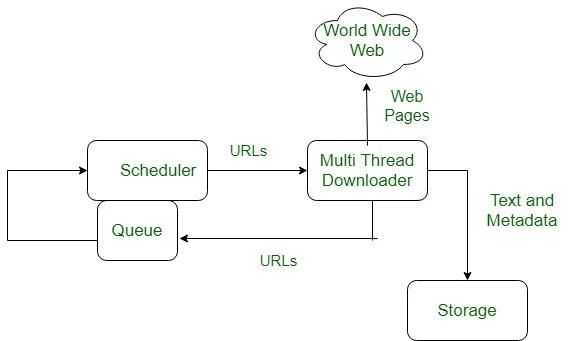
- Servers store website data, delivering it when you click a link.
Step-by-Step Process:
- You type a URL (e.g., tech4gsm.com) into a browser.
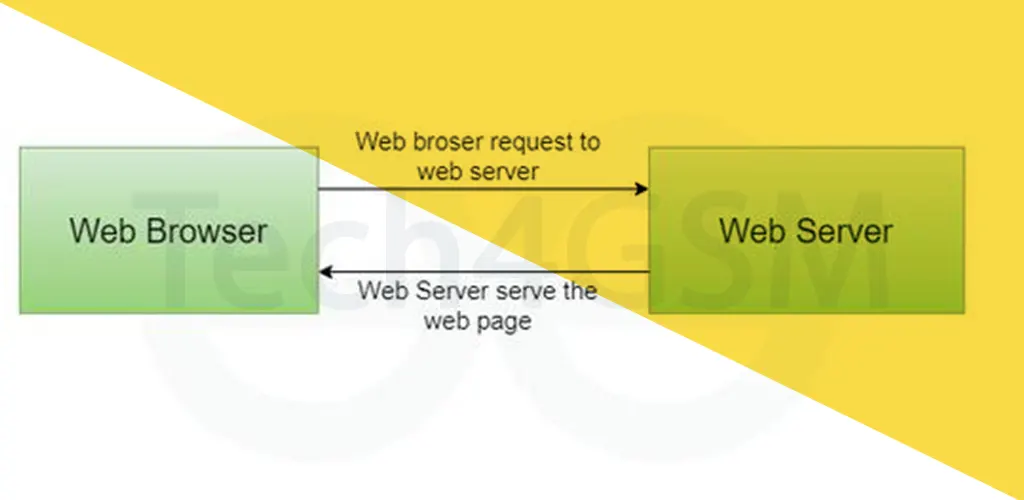
- The browser sends an HTTP request to the server.
- The server responds with the website’s HTML code.
- The browser displays the page with text, images, and videos.
Key Features of the WWW
- Open Source: Freely accessible to all.
- Hypertext: Links connect related information.
- Cross-Platform: Works on phones, laptops, and tablets.
- Dynamic: Constantly updated with new content.
WWW vs. Internet: What’s the Difference?
| Aspect | WWW | Internet |
|---|---|---|
| Purpose | Shares websites & documents | Connects global networks |
| Invented | 1989 (Tim Berners-Lee) | 1960s (US Department of Defense) |
| Protocols | HTTP, HTML | TCP/IP |
| Structure | Software-based | Hardware-based (cables, routers) |
3 Pillars of the Web
- URL (Uniform Resource Locator): A website’s address (e.g., https://tech4gsm.com).
- HTTP (Hypertext Transfer Protocol): Rules for transferring data between browsers and servers.
- HTML (Hypertext Markup Language): Code that structures web pages.
Web Browser Evolution
- 1993: Mosaic (first user-friendly browser).
- 1994: Netscape Navigator dominated the market.
- 1995: Internet Explorer took over.
- 2008: Google Chrome revolutionized speed.
- 2025: Expect AI-powered browsers with 3D interfaces and VR support.
Challenges Facing the WWW
- Privacy Risks: Data leaks and tracking.
- Misinformation: Fake news spreads rapidly.
- Digital Divide: 40% of the world still lacks internet access.
- Environmental Impact: Data centers consume massive energy.
FAQs About the World Wide Web
Q1. Can I use the WWW without the internet?
A: Only for local websites stored on your computer or LAN.
Q2. What was the first website?
A: info.cern.ch, launched in 1991 by Tim Berners-Lee.
Q3. How does a URL work?
A: It’s like a postal address guiding your browser to the right server.
Q4. Is the WWW the same as the internet?
A: No! The internet is the network, while the WWW is a service on it.
Q5. What’s next for the WWW by 2025?
A: Think AI-curated content, decentralized networks, and greener tech.
Explore More!
The WWW has transformed how we learn, work, and connect.