Introduction
Have you ever wondered how your phone unlocks just by looking at it or with a tap of your finger? That’s biometrics in action! In simple terms, biometrics uses your unique physical or behavioral traits—like your face, eyes, or heartbeat—to verify your identity or track health data. Let’s break down how this futuristic tech works in your smartphone and why it’s changing the way we stay safe and healthy.
What Are Biometrics?
Biometrics are like your body’s password. They rely on features that are unique to you. For example, no two people have the same fingerprints, iris patterns, or facial structure. This makes biometrics a super-secure way to lock your devices, apps, or even online accounts. But it’s not just about security—biometrics also help monitor your health, like tracking your heart rate during a workout.
Biometrics in Mobile Security: Fingerprints, Eyes, and Face
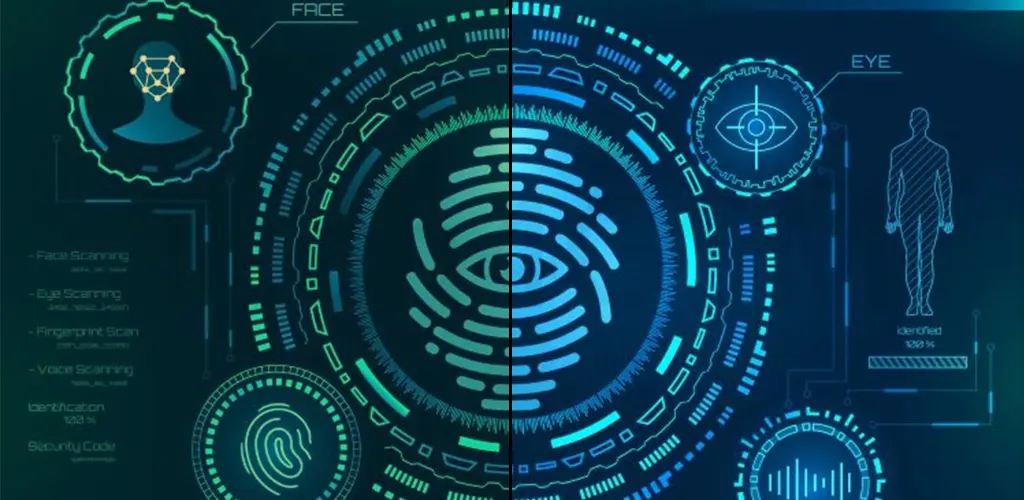
Modern smartphones use three popular types of biometrics to keep your data safe:
- Fingerprint Scanning
Your fingertip has tiny ridges and swirls that form a one-of-a-kind pattern. Phones with fingerprint sensors (usually under the screen or on the power button) scan and store this data. When you tap your finger, the sensor matches it to the saved print—voilà, your phone unlocks! It’s fast, accurate, and works even if your hands are dirty. - Iris Recognition
The colored part of your eye (the iris) has a complex pattern that’s harder to copy than a fingerprint. Phones with iris scanners use infrared light to map your eye’s details. While less common today, this method is super secure and works well in low light. - Facial Recognition
This tech maps your face’s shape, like the distance between your eyes or the curve of your jawline. Advanced systems, such as Apple’s Face ID or Android’s Face Unlock, use 3D sensors and AI to avoid being tricked by photos. It’s like having a digital guard that recognizes only you.
Biometrics for Health: Heart Rate and SpO2 Monitoring
Beyond security, your phone can also act as a mini health clinic! Many devices now include sensors to track:
- Heart Rate: Using a tiny light on the back, your phone measures blood flow through your fingertip or wrist. This helps track your fitness levels or detect irregularities.
- SpO2 (Blood Oxygen Levels): This measures how much oxygen your blood is carrying. Low SpO2 can signal breathing issues or fatigue. Phones like Samsung Galaxy models or Fitbit watches use LED lights to estimate this in seconds.
These features are lifesavers for fitness enthusiasts or anyone wanting to keep tabs on their wellness.
Why Biometrics Matter
Biometrics make life simpler and safer. You don’t need to remember passwords—your body is the password. Plus, health-focused biometrics empower you to take control of your well-being. However, always ensure your data is encrypted and stored securely.
The Future of Biometrics
Imagine a world where your phone checks your stress levels by analyzing your voice or detects a fever using a thermal camera. As biometric tech evolves, smartphones will become even smarter, blending security and health into everyday life.
So next time you unlock your phone with a glance or check your SpO2 after a run, remember: your body is the ultimate tech upgrade!