Introduction
Remember that one cable you used to charge everything—your phone, Bluetooth speaker, and even your kid’s toy? That’s Micro USB! Let’s explore this universal yet underrated hero of the tech world, why it mattered, and why it’s slowly fading into history.
What Is Micro USB?
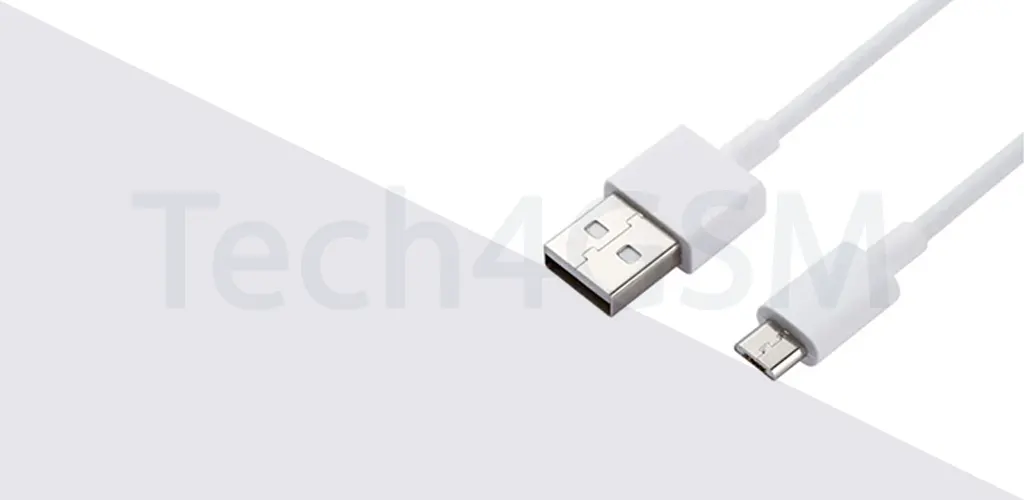
Micro USB is a small, rectangular USB connector designed for charging and transferring data between devices like phones, cameras, and tablets. The “USB” stands for Universal Serial Bus—a fancy term for “a standard way to connect stuff to your computer.”
Key Features:
- Two Subtypes: Micro-A (rare) and Micro-B (common).
- Reversible? Nope! Unlike USB-C, you had to plug it in the right way up (we’ve all flipped it three times!).
- Mass Storage Mode: Transfer files without installing drivers (like a flash drive).
Why Micro USB Ruled the World
- Universal Charging: Before USB-C, most gadgets (Android phones, power banks, e-readers) used Micro USB. You could borrow a friend’s charger in a pinch!
- Data Transfer: Connect to a computer to move photos, music, or documents—no Wi-Fi needed.
- Durability: Outlasted its predecessor, Mini USB, with a stronger design (but still prone to wear and tear).
Micro USB vs. Mini USB: What’s the Difference?
| Feature | Micro USB | Mini USB |
|---|---|---|
| Size | Smaller, flatter | Slightly larger |
| Durability | More robust | Prone to damage |
| Usage | Phones, tablets | Older cameras, GPS |
| Still Used? | Fading, but common | Rarely seen today |
Fun Fact: Mini USB’s “fat” design is why older gadgets like the PlayStation 3 controller felt chunkier!
Limitations of Micro USB
⚠️ Fragile Ports: The thin connector often loosened over time, leading to “charging anxiety.”
⚠️ Slow Charging: Compared to USB-C, it delivered less power (good for overnight charging, bad for quick top-ups).
⚠️ One-Way Plug: The “flip struggle” became a meme before USB-C saved us.
Micro USB vs. USB-C: The Upgrade
While Micro USB was the MVP of the 2010s, USB-C dethroned it with:
- Reversibility: Plug it in any direction.
- Faster Charging: Supports high-wattage charging.
- Versatility: Works for laptops, monitors, and more.
But Micro USB isn’t dead yet! Many budget devices and accessories (like fitness trackers) still rely on it.
How to Keep Your Micro USB Gear Alive
- Gentle Handling: Avoid yanking the cable sideways.
- Clean the Port: Use a toothpick to remove lint (gently!).
- Invest in Magnetic Adapters: Reduces wear from frequent plugging.
- Replace Worn Cables: Frayed cables can damage ports.
Will Micro USB Disappear?
Probably… but slowly. Here’s why:
- Legacy Devices: Millions of gadgets (e.g., Bluetooth earphones, LED lights) still use it.
- Cost: Cheaper to produce than USB-C, perfect for budget tech.
- Niche Uses: Some industrial tools prefer its simplicity.
Final Thoughts
Micro USB was the unsung workhorse of the tech world—a simple, universal solution that kept our devices alive. While USB-C is the future, let’s tip our hats to the little port that could.
Fun Fact: Over 10 billion Micro USB cables were sold worldwide—enough to wrap around the Earth 45 times! 🌍✨