
Introduction
Have you ever been annoyed when your headphones broke a few months after you purchased them? You’re not by yourself. You could attribute frequent headphone replacements to defective items. In actuality, though, a lot of us abuse our headphones without even realizing it. You may greatly increase the lifespan of your audio equipment by implementing a few easy lifestyle adjustments. Now let’s explore ways to extend the life of headphones.
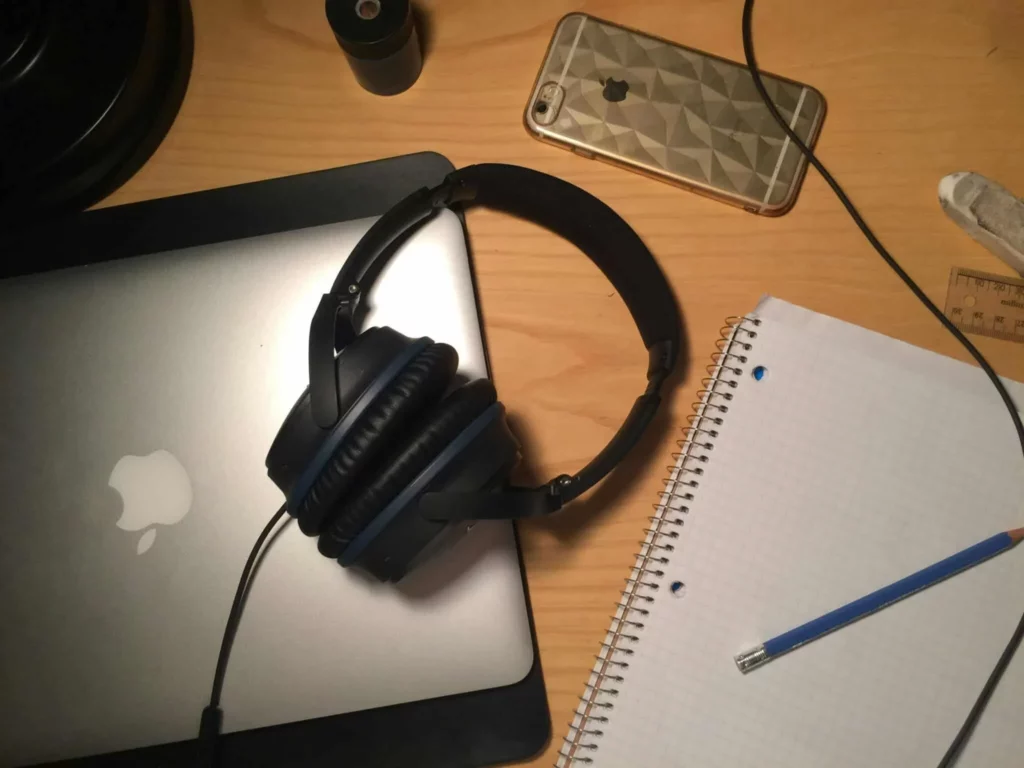
Regular Cleanings Can Make a Big Difference
The worst things for your headphones are perspiration, dampness, and dirt. To avoid damage and preserve the best possible audio quality, regular cleaning is essential.
Start by using a slightly moist, lint-free cloth to clean your headphones every a week or so. By taking this easy action, surface debris is removed and accumulation is avoided. Do a more thorough cleaning once a month for a deeper clean. Remove the earpads gently, then use a moderate cleaning solution, such as hydrogen peroxide or isopropyl alcohol, to clean them.
A word of advice: Use caution when drinking and using headphones. Strong alcohol solutions may not be tolerated by some materials. It’s recommended to follow the manufacturer’s instructions or use a moist towel.
Using tweezers, carefully remove any hair or dirt from the drivers to clean the inner workings of your headphones. To prevent dragging dirt deeper, be gentle. To avoid moisture damage, gently clean the driver with a cloth moistened with isopropyl alcohol, making sure the cloth faces downward. Use a moist Q-tip or soft-bristled toothbrush to remove tough dirt. After you’re done, let everything air dry fully before putting your headphones back together.
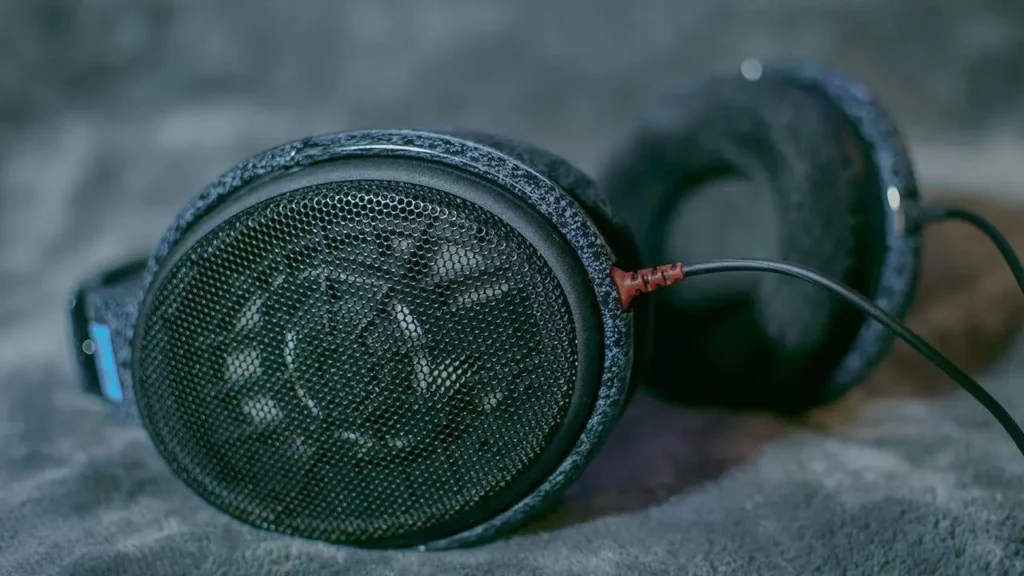
Take Care When Using Your Headphones
Every headphone has its shortcomings. Particularly at risk are the headband, hinges, drivers, connecting points, and cable. Use caution when handling your headphones to avoid damaging these delicate parts.
When unplugging wired headphones, always grasp the plug rather than yanking the cord. By doing this, the cable next to the connection won’t deteriorate. Avoiding drops is crucial to extending the life of your headphones, even if it might seem apparent. Wearing them properly and selecting headphones that suit your head tightly can guarantee a secure fit. Unintentional drops are more likely when the fit is loose.
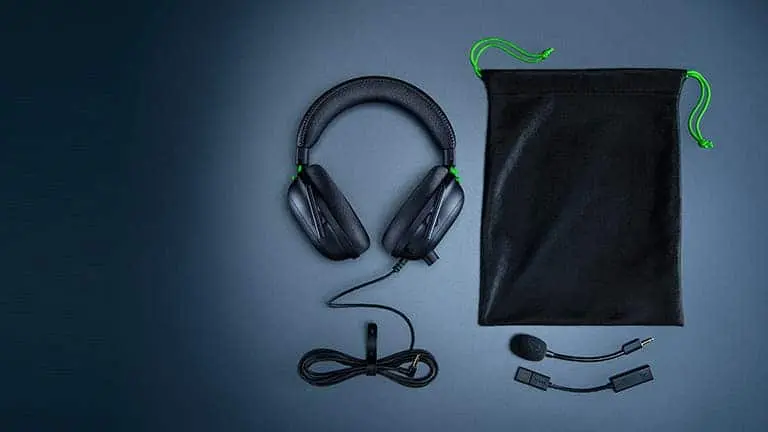
Properly Coil Your Headphones
Your headphones’ lifespan can be greatly increased by coiling them correctly. Start by removing any twists or knots from the cable. The internal wiring of your headphones may be harmed if you leave them in a twisted mess. Maintaining constant sound quality may also be achieved by straightening the cable.
Run your fingers lightly along the length of the cable to straighten it. You can put a weight on one end of the wire and lay it flat for a day or two to get rid of obstinate twists. After the cable is straight, make a loose coil by wrapping it around three fingers. Avoid tight pulls that might harm the cord as you thread the remaining wire through the coil. You can keep your headphones clear of tangles and help avoid cable wear by doing these procedures.
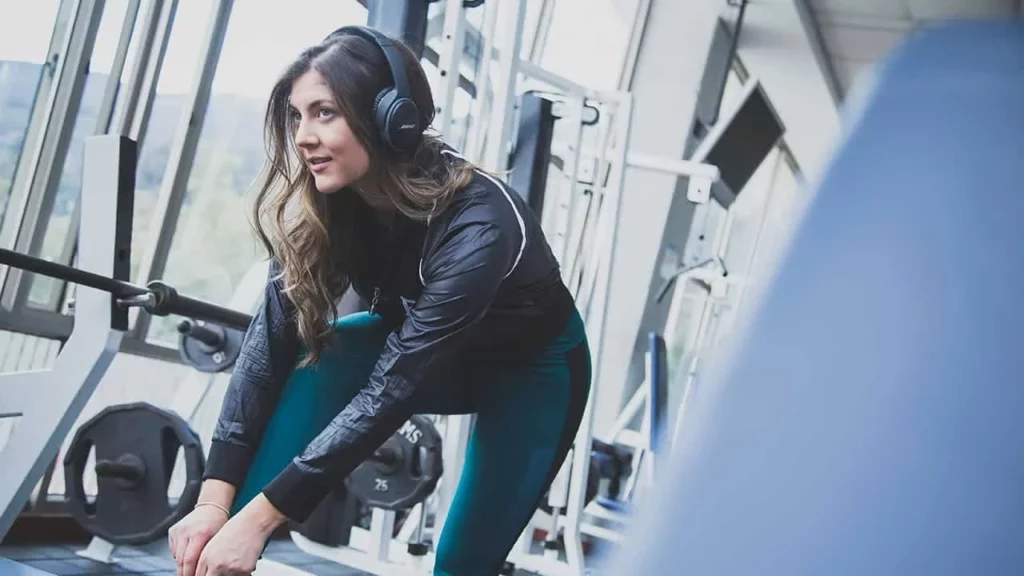
Avoid Humidity on Your Headphones
The worst thing for headphones is moisture. It may corrode the interior parts and harm the cushioning. Keep your headphones in a dry place to avoid moisture damage. Steer clear of high-humidity spaces like kitchens and toilets. Consider using silica gel packets to absorb moisture if you live in a humid region. Replace these packets every six to twelve months and store them in your storage space or headphone case.
Were the headphones soaked? Dry them right away with a towel. Put them in a jar with packets of silica gel and allow them to air dry fully. Steer clear of heat sources, such as hair dryers, as they might result in permanent harm. You can greatly lower the chance that your headphones may sustain damage from dampness by following these steps.
Only Connect with Compatible Devices
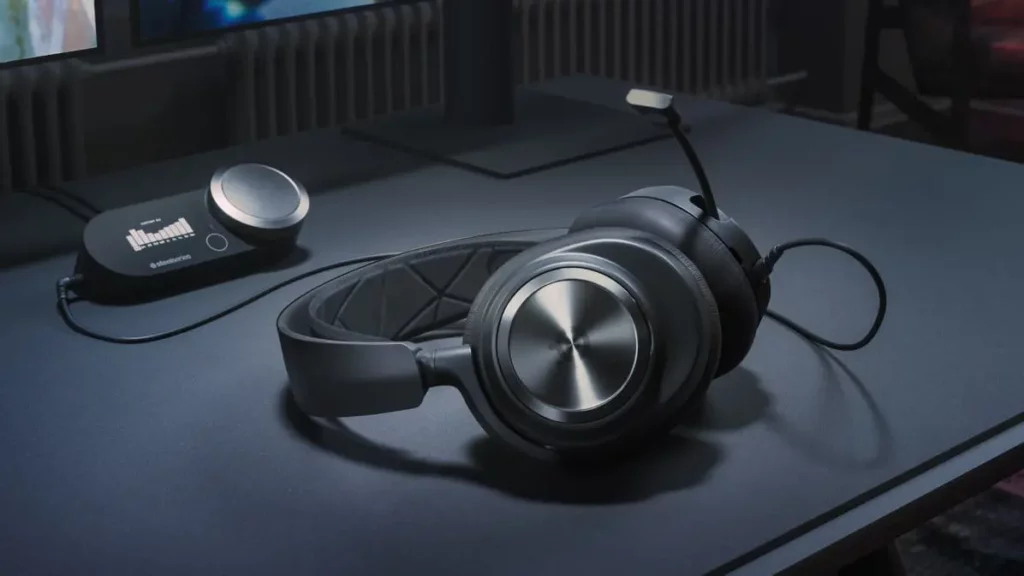
Electrical impulses are transformed into sound waves via headphones. The resistance to this electrical current’s passage is known as impedance. Ohms are used to measure it. Your headphones may sustain harm if the current passing through them is very high.
Impedance isn’t a big deal to most individuals. The majority of headphones are compatible with computers, tablets, and smartphones since their impedance ranges from 16 to 32 ohms. However, an impedance mismatch might damage your headphones if you’re utilizing a strong amplifier or audio system.
Make sure the impedance of your headphones and the output impedance of your amplifier match to prevent harm. The output impedance of the amplifier ought to be substantially lower than the impedance of your headphones. The impedance of your headphones can be found in the product specs or, occasionally, written on the actual headphones. You may prevent electrical harm to your headphones by selecting devices that are compatible with them and being aware of impedance.
EQ Settings to Protect Your Headphones
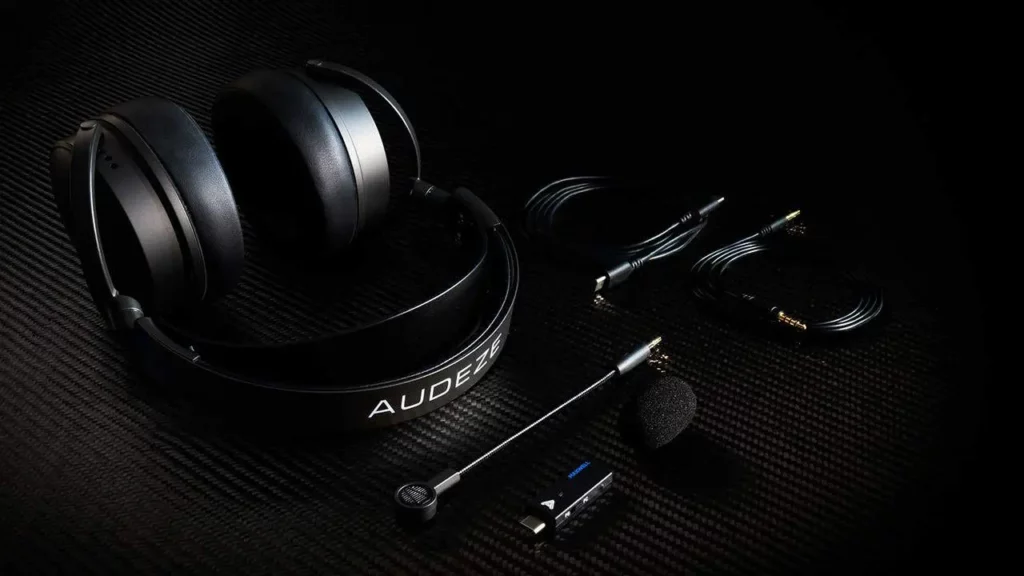
Your headphones’ drivers may be severely strained by low frequencies. Think about changing the equalizer (EQ) settings to lessen this tension. You may utilize third-party programs like Wavelet or the built-in EQs included in many smartphones and audio devices. You may extend the life of your headphones by reducing the bass levels.
Steer clear of bass boost functions if your headphones lack a dedicated bass driver. These characteristics may degrade sound quality and place undue stress on drivers. You may lessen the harm that too much bass can do to your headphones by implementing these changes.