Introduction
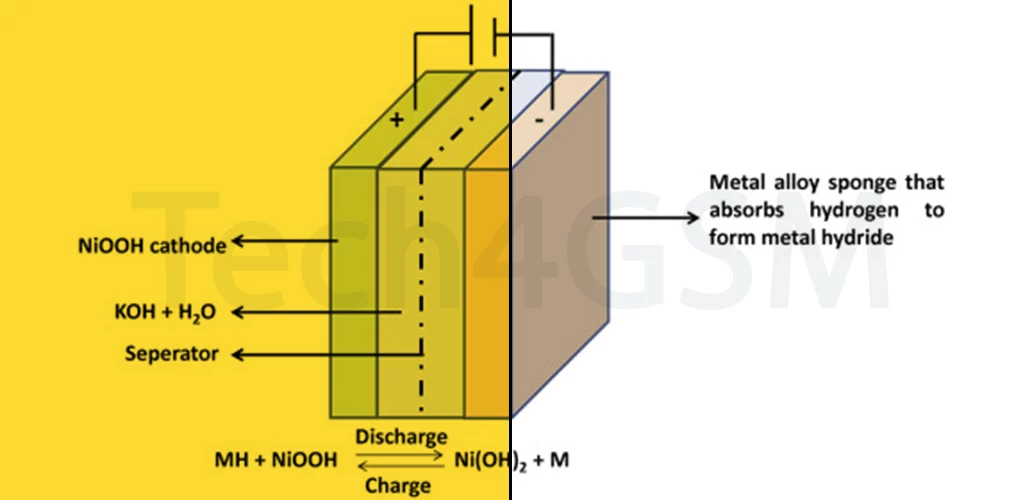
Remember the frustration of your RC car dying mid-race or your flashlight dimming during a blackout? Enter NiMH (Nickel Metal Hydride) batteries—the upgraded, eco-friendlier cousin of old-school NiCd. They pack more punch, suffer fewer quirks, and keep your gadgets running longer. Let’s uncover why NiMH was a game-changer… and how to make it last!
1. What Are NiMH Batteries?
NiMH batteries are rechargeable power packs designed to fix NiCd’s flaws. Think of them as the “cool older sibling”:
- Higher Capacity: Store 2-3x more energy than NiCd, meaning longer playtime for devices.
- Less Toxic: Ditch the nasty cadmium for safer materials (better for Earth!).
- Memory Effect Lite: Still has a mild “memory” issue but way less dramatic than NiCd.
Perfect for digital cameras, cordless phones, and toys!
2. The “Memory Effect” Myth (Mostly) Busted
NiMH batteries can develop a mild memory effect if you repeatedly recharge them without fully draining first. But here’s the twist:
- NiMH vs. NiCd: NiMH forgets less. Imagine NiCd as a grumpy elephant (never forgets a partial charge) vs. NiMH as a goldfish (mildly annoyed but moves on).
- Real Impact: You might lose ~5% capacity over time vs. NiCd’s 20%+ drops.
Pro Tip: Occasional full discharges help NiMH stay sharp, but it’s not a daily requirement!
3. How to Keep Your NiMH Battery Happy
- Deep Discharge Monthly: Use devices until they shut off, then recharge. Resets the “memory”.
- Avoid Heat: Store in cool, dry places—heat accelerates aging.
- Use Smart Chargers: Modern chargers prevent overcharging, which can damage cells.
4. Eco-Friendly Upgrade (But Not Perfect)
NiMH batteries are greener than NiCd (no toxic cadmium), but they’re not saints:
- Recycle Them: Contains recyclable nickel; drop at e-waste centers.
- Longer Lifespan: Last 500+ charge cycles vs. NiCd’s 300, reducing waste.
5. Where NiMH Batteries Shine Today
- High-Drain Devices: Digital cameras, handheld gaming (like Game Boys!), and LED flashlights.
- Everyday Gadgets: Wireless keyboards, solar lights, or vintage tech needing AA/AAA sizes.
- Budget Backup: Cheaper than Li-ion for low-tech needs.
6. NiMH vs. Lithium-Ion: Which Wins?
- NiMH Pros: Cheap, no fire risk, works in extreme temps.
- Li-ion Pros: Lighter, higher capacity, no memory effect.
Best For: NiMH = occasional-use devices; Li-ion = phones, laptops.
7. Should You Still Buy NiMH Batteries?
Yes, if you:
- Need affordable, reliable power for non-critical gadgets.
- Own older devices designed for NiMH.
- Want a safer, greener option than NiCd.
Skip if: You need top-tier performance for smartphones or drones.
Final Tip: Mix Nostalgia with Smart Habits
NiMH batteries bridge the gap between ancient NiCd and modern Li-ion. Treat them well, and they’ll outlive your expectations.
Did You Know? Hybrid cars like the Toyota Prius use giant NiMH batteries for their reliability and safety! 🚗⚡